


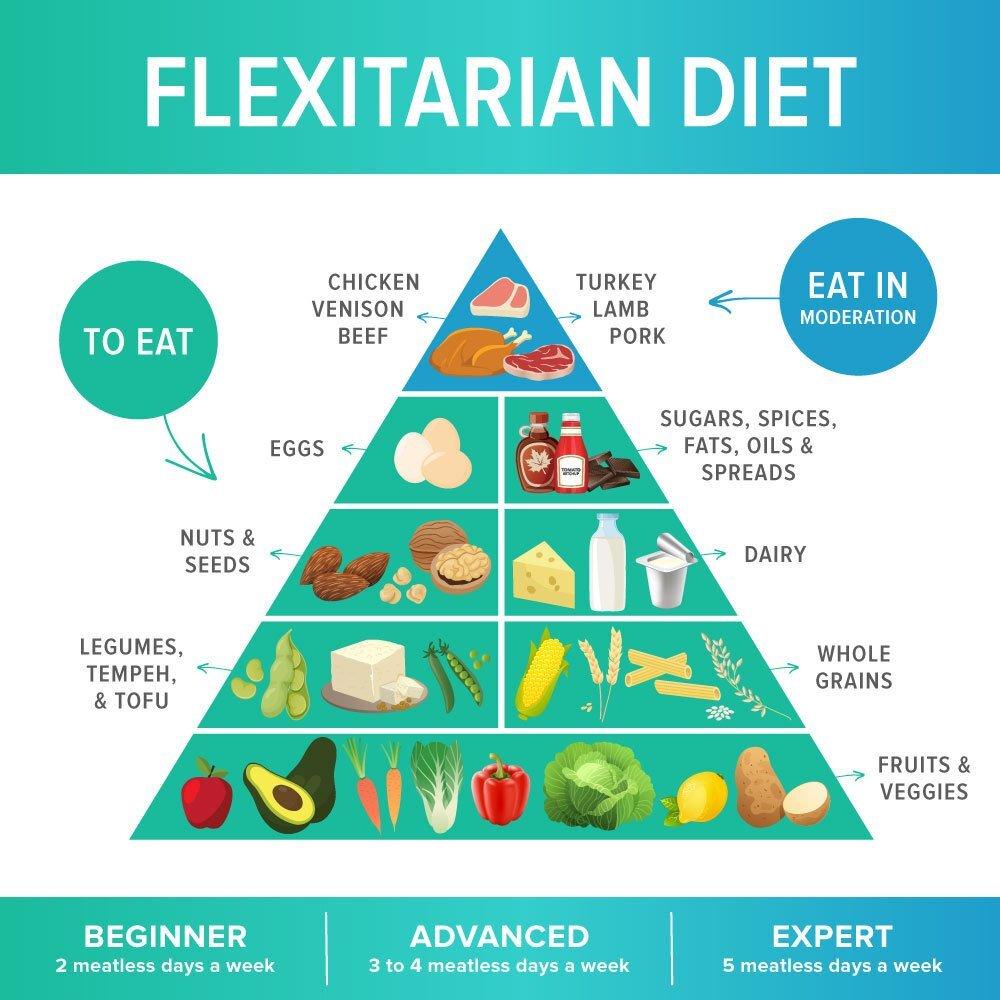
In a world increasingly focused on sustainability and wellness, the Flexitarian Diet emerges as a refreshing compromise—a harmonious blend of vegetarian principles with the flexibility to indulge in occasional meat consumption. As individuals strive for a balanced lifestyle that nurtures both body and planet, this approach to eating encourages mindful consumption without the rigidity of traditional dietary labels. In this article, we will embark on a journey through the core tenets of the Flexitarian Diet, exploring its nutritional benefits, practical applications, and how it can seamlessly fit into the diverse tapestry of contemporary eating habits. Whether you are a committed omnivore looking to reduce your meat intake or a seasoned vegetarian seeking a little leeway, the Flexitarian Diet offers a path that celebrates variety and moderation in every bite. Join us as we uncover the principles, flavors, and philosophies that make this flexible eating style a compelling choice for many.
Table of Contents
- The Principles of the Flexitarian Diet and Its Health Benefits
- Incorporating Plant-Based Foods: Tips for Beginner Flexitarians
- Balancing Protein Sources: How to Transition Smoothly
- Crafting Delicious Meals: Recipe Ideas for Every Day of the Week
- In Conclusion
The Principles of the Flexitarian Diet and Its Health Benefits
The Flexitarian Diet is built on the foundation of flexibility, allowing individuals to enjoy a primarily plant-based lifestyle while still incorporating occasional meat and animal products. This approach not only caters to personal preferences but also supports an environmentally sustainable way of eating. By prioritizing fruits, vegetables, whole grains, and legumes, the Flexitarian lifestyle encourages the consumption of nutrient-dense foods that nourish the body and promote overall well-being. It emphasizes the importance of variety and moderation, making it easier for people to commit to long-term dietary changes without feeling deprived.
Embracing this balanced diet offers a plethora of health benefits that extend beyond weight management. Studies suggest that those adhering to a Flexitarian style may experience a decreased risk of chronic diseases, such as heart disease, diabetes, and even certain cancers. A typical Flexitarian meal might include a colorful array of plant-based ingredients, providing essential vitamins and minerals while also encouraging mindful eating habits. Here’s a quick comparison of the Flexitarian Diet alongside other popular eating patterns:
| Diet Type | Meat Consumption | Focus on Plants | Health Benefits |
|---|---|---|---|
| Flexitarian | Occasional | High | Reduced risk of chronic diseases, weight loss |
| Vegetarian | No | Very High | Heart health, improved digestion |
| Vegan | No | Very High | Weight management, lower cholesterol levels |
Incorporating Plant-Based Foods: Tips for Beginner Flexitarians
Transitioning to a flexitarian lifestyle doesn’t mean you have to overhaul your entire diet in one go. Start by incorporating a variety of plant-based foods into your meals without eliminating meat completely. Here are some practical suggestions to ease into this delicious and nutritious way of eating:
- Experiment with Meat Alternatives: Try products made from beans, lentils, or chickpeas, such as black bean burgers or lentil tacos. These can add satisfying flavors and textures to your meals.
- Boost Your Sides: Make side dishes the star of your plate by preparing vibrant veggie stir-fries, hearty grain salads, or roasted vegetables drizzled with olive oil.
- Incorporate Smaller Portions: Gradually reduce portion sizes of meat while increasing the proportion of plant-based sides in your meals. This shift will allow your taste buds to adjust more easily.
- Plan Your Meals: Set aside time each week to plan meals that prioritize fruits, vegetables, whole grains, and legumes, ensuring a balanced diet that doesn’t feel restrictive.
To make your journey extra rewarding, consider making a weekly plant-based meal calendar that highlights new recipes and flavors. A sample plan could look like this:
| Day | Plant-Based Meal | Meat Option |
|---|---|---|
| Monday | Chickpea Salad | Grilled Chicken |
| Wednesday | Lentil Stew | Baked Salmon |
| Friday | Quinoa-Stuffed Peppers | Beef Tacos |
This approach allows you to explore creative flavors while enjoying the benefits of both plant-based and animal-based foods. Each meal becomes an opportunity to expand your palate and embrace nourishing ingredients.
Balancing Protein Sources: How to Transition Smoothly
Transitioning to a more balanced protein intake is both an exciting and rewarding journey. To do this smoothly, start by incorporating diverse protein sources into your meals. Aim to diversify your options by mixing traditional meat-based proteins with plant-based alternatives. Try to integrate items such as:
- Legumes: lentils, chickpeas, and beans
- Nuts and seeds: almonds, chia seeds, and pumpkin seeds
- Whole grains: quinoa, farro, and brown rice
- Dairy or plant-based yogurts: for additional protein and probiotics
Additionally, keeping track of your protein intake can help you discover your preferences and adjust as needed. Consider planning your meals with a visual guide, which helps balance your choices effectively. Here’s a simple table to illustrate a one-day meal plan featuring a variety of protein sources:
| Meal | Protein Source | Notes |
|---|---|---|
| Breakfast | Greek yogurt with chia seeds | High in protein and fiber |
| Lunch | Quinoa salad with black beans | Rich in complete proteins |
| Dinner | Grilled chicken with sautéed spinach | Balanced meal with essential nutrients |
| Snack | Homemade almond butter on whole-grain toast | Delicious and filling |
Crafting Delicious Meals: Recipe Ideas for Every Day of the Week
Embracing a flexitarian lifestyle opens up a world of culinary creativity. Start your week with a Mediterranean Chickpea Salad bursting with flavor and nutrients. Combine chickpeas, cucumbers, cherry tomatoes, red onion, and a splash of olive oil and lemon juice. This refreshing dish provides a perfect balance of protein and fiber, setting a healthy pace for the week. On Wednesday, savor a filling Sweet Potato and Black Bean Tacos. Lightly grill your tortillas and fill them with roasted sweet potatoes, black beans, avocado, and a sprinkle of feta cheese for a delightful midweek meal.
As the weekend approaches, try a comforting Vegetable Stir-Fry on Friday. Use a colorful array of bell peppers, broccoli, and snap peas, tossed in a ginger-soy sauce that elevates simple veggies into a satisfying dish. On Sunday, treat yourself to a Stuffed Bell Pepper dinner, filled with a mixture of quinoa, ground turkey (or a plant-based alternative), and spices topped with melted cheese. This dish not only tastes amazing but also provides all the essential nutrients to prepare for the week ahead.
In Conclusion
As we navigate the diverse landscape of dietary choices, the flexitarian diet stands out as an inviting pathway towards a more balanced and mindful approach to eating. By embracing flexibility rather than restriction, this approach allows individuals to savor the best of both plant-based and animal-derived foods, fostering a harmonious relationship with what we consume. Whether you’re a seasoned vegetarian looking to incorporate occasional meat or a meat-lover seeking to diversify your plate, the flexitarian diet offers a tapestry of flavors, nutrients, and culinary adventures.
In a world where health and sustainability are at the forefront of our food conversations, the flexitarian lifestyle not only promotes personal well-being but also encourages environmental mindfulness. As you embark on your own journey through this adaptable eating style, remember that each meal is an opportunity to nourish your body and make thoughtful choices that resonate with your values.
In closing, the flexitarian diet invites us all to explore, experiment, and ultimately embrace a new perspective on food—one that celebrates variety, encourages balance, and paves the way for a healthier future, one delicious bite at a time.