


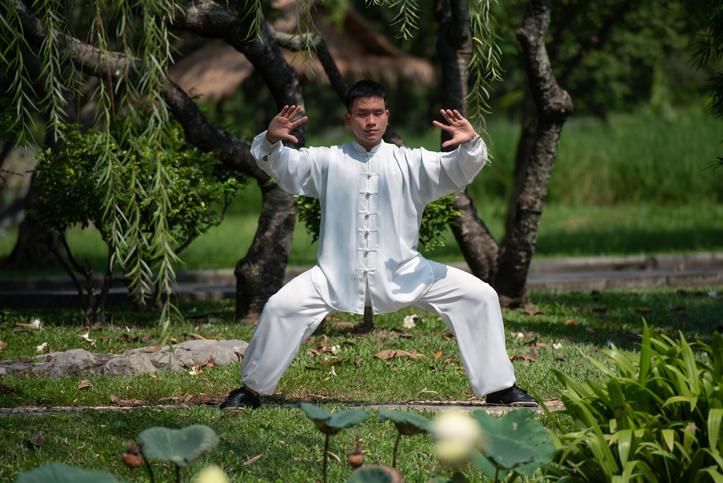
Qigong, a traditional Chinese practice that integrates physical movement, breath control, and meditation, has gained popularity worldwide as a holistic approach to health and wellness. This ancient discipline is rooted in the principles of Chinese medicine and philosophy, emphasizing the balance of energy, or “qi,” within the body. As individuals increasingly seek alternatives to conventional exercise and stress management, qigong workouts offer a unique blend of physical fitness, mental clarity, and emotional resilience. This article will explore the benefits of qigong practice, including its potential to enhance physical health, reduce stress, and promote overall well-being. Additionally, we will examine various qigong practices, providing insights into how they can be effectively incorporated into modern fitness routines. Through this exploration, readers will gain a comprehensive understanding of qigong as a valuable component of a balanced lifestyle.
Table of Contents
- Understanding Qigong and Its Origins
- Health Benefits of Qigong Workouts
- Incorporating Qigong into Your Fitness Routine
- Recommended Practices for Effective Qigong Sessions
- Concluding Remarks
Understanding Qigong and Its Origins
Qigong, an ancient practice rooted in Chinese culture, embodies a harmonious integration of mind, body, and spirit through movement, breathing, and meditation. Its origins trace back over 5,000 years, evolving alongside Taoist and Buddhist philosophies. Practitioners believe that Qigong facilitates the cultivation and circulation of “qi,” or life energy, within the body, promoting overall wellness. Historically, it served various purposes, from martial arts training to medical therapies, and has been used as a means to enhance both physical health and spiritual development.
The practice is diverse, featuring a range of forms and techniques that can vary based on purpose and lineage. Key elements that define Qigong include:
- Postures: Varied body positions designed to promote the flow of qi.
- Breach Techniques: Conscious breathing patterns that align with the movements.
- Focus: Mental concentration aimed at cultivating inner peace and wellness.
Qigong has gained global popularity due to its accessibility; anyone can practice regardless of age or fitness level. Empirical studies support its benefits, which range from stress reduction and improved flexibility to enhanced immune function and better mental clarity. As such, this ancient art continues to inspire individuals seeking balance in today’s fast-paced world.
Health Benefits of Qigong Workouts
Qigong workouts offer a multitude of health benefits that extend beyond mere physical fitness. By integrating breath control, meditation, and gentle movements, practitioners can experience significant improvements in both mental and physical well-being. Some of the primary health advantages include:
- Enhanced Flexibility: The slow, flowing movements promote joint mobility and muscle elasticity.
- Stress Reduction: The meditative aspects help lower cortisol levels, reducing overall tension.
- Improved Balance: Balance exercises enhance stability and coordination, which is beneficial for all age groups.
- Pain Relief: Regular practice can alleviate chronic pain through improved circulation and muscle relaxation.
- Boosted Immunity: Qigong has been linked to improved immunity, supporting overall health.
Furthermore, studies have shown that Qigong can contribute to emotional balance and cognitive clarity. The practice encourages a mindful state, which fosters positive thinking and enhances concentration. Key mental health benefits include:
| Mental Benefit | Description |
|---|---|
| Increased Mindfulness | Enhances the ability to be present and fully engaged. |
| Emotional Resilience | Helps develop stronger coping mechanisms against stress. |
| Improved Sleep Quality | Contributes to a more restful and restorative sleep cycle. |
Incorporating Qigong into Your Fitness Routine
can enhance both your physical well-being and mental clarity. This ancient practice emphasizes slow, flowing movements combined with deep breathing techniques, creating a holistic approach to fitness. To get started, consider integrating Qigong sessions into your existing workout schedule. For example, you could set aside time in the morning for a 20-minute Qigong session to energize your day or use it as a restorative practice following more intensive workouts. This blend of vigorous exercise and mindful movement offers a balanced fitness regimen.
Creating a structured plan can help you seamlessly incorporate Qigong into your lifestyle. Here are a few tips to consider:
- Begin with short sessions: Start with 10 to 15 minutes and gradually increase the duration.
- Schedule regular practice: Aim for 3 to 5 times a week to build consistency.
- Focus on breath awareness: Ensure you incorporate controlled breathing to enhance the benefits of each movement.
- Explore different styles: Consider various Qigong forms like Yangsheng or Tui Na to find what resonates most with you.
| Time of Day | Qigong Practice Focus | Benefits |
|---|---|---|
| Morning | Energy Activation | Enhances alertness and prepares body for the day |
| Afternoon | Stress Relief | Reduces tension and improves focus |
| Evening | Relaxation | Promotes restful sleep and mental calmness |
Recommended Practices for Effective Qigong Sessions
To maximize the benefits of Qigong, it’s essential to create an environment conducive to relaxation and focus. Start by choosing a quiet space where you feel comfortable and undisturbed. Keeping the area free of clutter can help eliminate distractions, allowing you to concentrate fully on your practice. Additionally, consider the following elements to enhance your Qigong sessions:
- Lighting: Soft, natural light can foster a calming atmosphere.
- Comfortable Clothing: Wear loose-fitting clothes that allow for free movement.
- Mindfulness: Take a few moments to sit in silence, focusing on your breath, to center yourself before beginning the practice.
Incorporating specific techniques can further enhance the effectiveness of your Qigong workouts. Attention to breath and body alignment is crucial, so be mindful of your posture throughout each movement. It may also be beneficial to utilize a regular schedule for your practice, helping to instill discipline and make Qigong a consistent part of your lifestyle. Try integrating the following into your routine:
- Warm-Up Exercises: Start with gentle stretches to prepare your body.
- Focused Intent: Set a specific intention for each session to deepen your practice.
- Cool Down: End with calming techniques, such as deep breathing or meditation, to help integrate the energy cultivated during your workout.
Concluding Remarks
the exploration of Qigong workouts reveals a multitude of potential benefits for practitioners, ranging from improved physical health to enhanced mental clarity and emotional stability. As a holistic approach to wellness, Qigong not only incorporates physical movement and breath control but also emphasizes the importance of mindfulness and energy cultivation. The practices can be adapted to suit individuals of various fitness levels and ages, making it an accessible option for those seeking to enhance their overall well-being. As with any exercise regimen, it is advisable for individuals to consult with healthcare professionals, especially if they have pre-existing conditions. By integrating Qigong into one’s routine, individuals may find a complementary method for fostering resilience and harmony within their lives. Further research and personal experiences will continue to enrich the understanding of how Qigong can contribute to a balanced and healthy lifestyle.