


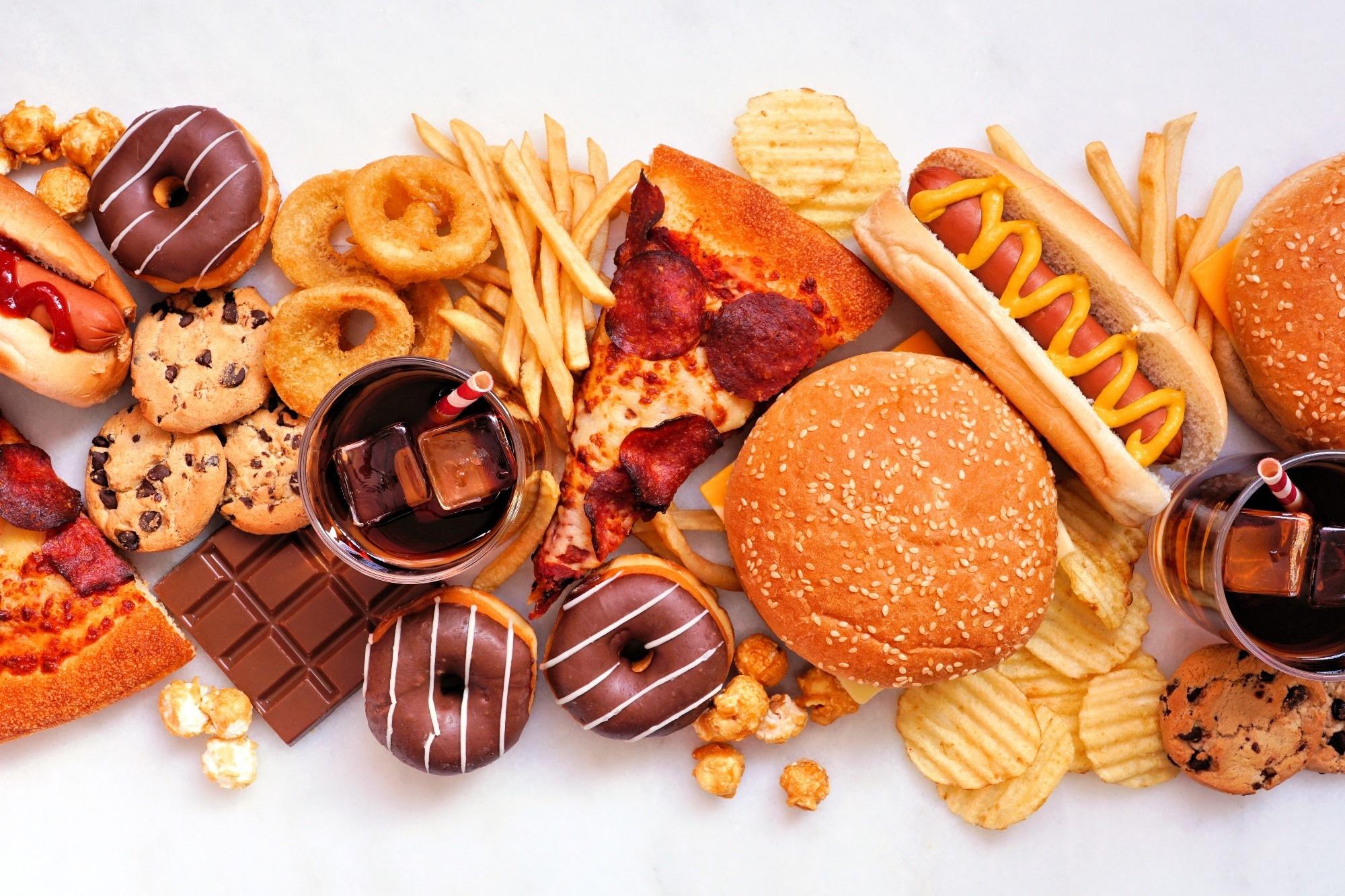
In the pursuit of a healthier lifestyle, our plates often become a battlefield—an arena where temptations lurk and choices carry significant weight. While we arm ourselves with knowledge about nutritious options and calorie counts, there lies a hidden landscape of foods that can quietly undermine our best efforts. From seemingly innocent snacks to deceptive dressings, these culprits can significantly impede our weight loss journeys. In this article, we’ll uncover the dietary landmines that might be sabotaging your progress, helping you navigate your way to a more successful and sustainable path to health. Join us as we shine a light on those unwelcome guests in your diet, ensuring that your efforts are truly rewarded.
Table of Contents
- Identifying Hidden Caloric Traps in Everyday Foods
- Navigating the Sugar Spectrum: Understanding Its Impact on Weight Loss
- The Role of Processed Foods in Weight Gain: What to Avoid
- Mindful Eating: Cultivating Awareness to Avoid Sabotaging Choices
- In Conclusion
Identifying Hidden Caloric Traps in Everyday Foods
When embarking on a weight loss journey, it’s essential to scrutinize the everyday foods that seem harmless but can pack a hefty caloric punch. These hidden caloric traps often blend seamlessly into our diets, making it easy to overlook their impact. Be on the lookout for sugar-laden drinks—from fruit juices to flavored teas—that might seem refreshing but can deliver as many calories as indulging in dessert. Similarly, snack bars marketed as “healthy” can sometimes contain a surprising amount of added sugars and fats, making them more akin to candy bars than nutritious options.
Another category to watch out for includes certain condiments and dressings, which can turn an otherwise healthy salad into a calorie bomb with just a few tablespoons. For instance, creamy dressings and sauces often contain excessive amounts of calories derived from oils and sugars. Moreover, whole grain products don’t always mean “low-calorie.” It’s crucial to examine serving sizes and ingredient lists, as even products like whole grain bread and pasta can contribute significantly to daily caloric intake if consumed without moderation.
Navigating the Sugar Spectrum: Understanding Its Impact on Weight Loss
When embarking on a weight loss journey, understanding the nuances of sugar intake is crucial, as sugars can be found in a surprising variety of foods, contributing to unwanted calorie accumulation. Added sugars, often lurking in processed items, can lead to increased cravings and a rollercoaster of energy highs and lows. By being mindful of your choices, you can better navigate the landscape of sugar-laden foods that may derail your efforts:
- Sodas and sugary drinks: These beverages offer little nutritional value and are packed with empty calories.
- Baked goods: Cakes, pastries, and cookies often contain hidden sugars that add up quickly.
- Condiments: Ketchup, barbecue sauce, and dressings can secretly contribute significant sugar.
- Granola bars: While marketed as healthy, many contain more sugar than a candy bar.
Understanding the type of sugars consumed is as important as the quantity. Natural sugars, found in fruits and dairy products, can be part of a balanced diet, offering essential nutrients along with energy. In contrast, refined sugars found in sweets and processed foods can lead to weight gain and health issues. To illustrate the differences, consider the following:
| Type of Sugar | Source | Impact on Weight Loss |
|---|---|---|
| Natural Sugar | Fruits, Honey | Supports energy and provides fiber. |
| Refined Sugar | Sweets, Processed Snacks | Adds calories without nutrition, increasing cravings. |
The Role of Processed Foods in Weight Gain: What to Avoid
The modern diet is often laden with foods that, while convenient, can undermine your efforts to maintain a healthy weight. Processed foods typically contain high levels of added sugars, unhealthy fats, and preservatives that can lead to increased cravings and overeating. Look out for items such as:
- Sugary snacks and desserts – These can spike your blood sugar and lead to crashes, making you reach for more food.
- Soda and sugary beverages – Liquid calories can add up quickly and fail to satiate your hunger.
- Fast food items – Often high in calories and low in nutritional value, making it easy to exceed your daily calorie limit.
It’s essential to read labels carefully, as many foods marketed as “healthy” can still contain hidden sugars and fats. A closer look can reveal ingredients like high fructose corn syrup or partially hydrogenated oils that are best avoided. To illustrate the impact of these ingredients, consider the following:
| Ingredient | Potential Effect on Weight |
|---|---|
| High Fructose Corn Syrup | Increases appetite; linked to obesity |
| Partially Hydrogenated Oils | Contributes to unhealthy belly fat |
| Excessive Sodium | Leads to water retention and bloating |
By remaining vigilant and making informed choices, you can keep processed foods at bay and stay on track with your weight loss goals. Remember, awareness is the first step towards a healthier lifestyle!
Mindful Eating: Cultivating Awareness to Avoid Sabotaging Choices
To navigate the complexities of weight loss, it’s crucial to develop a heightened sense of awareness about what you consume. Mindful eating encourages you to be present during meals, allowing you to recognize hunger signals and differentiate between cravings and genuine appetite. By taking the time to savor each bite, you can better appreciate the flavors and textures of your food, leading to more satisfying meals. This practice not only fosters a healthier relationship with food but also empowers you to make conscious decisions that align with your weight loss goals. Consider incorporating these habits into your eating routine:
- Chew Slowly: Give your brain time to signal satiety.
- Eliminate Distractions: Turn off screens and focus solely on your meal.
- Assess Portions: Use smaller plates to naturally control serving sizes.
- Listen to Your Body: Tune in to how different foods affect your energy and mood.
Recognizing foods that hinder your progress is another essential aspect of developing mindfulness around eating. Certain items may seem innocuous but can lead you down a path of unhealthy choices. Engaging with your food choices mindfully allows you to ask important questions about each meal. Are these snacks fulfilling or merely convenient? Here’s a snapshot of common culprits that can sidetrack your weight loss journey:
| Food Type | Impact on Weight Loss |
|---|---|
| Sugary Drinks | High calories, little to no satisfaction leading to extra cravings. |
| Processed Snacks | High in unhealthy fats, additives, and sugars that trigger overeating. |
| White Bread and Pastries | Quick sugar spikes followed by energy crashes and hunger. |
| High-Calorie Sauces | Creamy or sugary sauces can add hidden calories to meals. |
In Conclusion
embarking on a weight loss journey often feels like navigating a winding road—full of ups, downs, and unexpected detours. As we’ve explored the foods that can stealthily undermine your efforts, it’s essential to approach your choices with awareness and intention. Remember, understanding what may sabotage your progress is a powerful tool in your arsenal. Just as a skilled navigator adjusts their route, you can modify your diet to align better with your goals. Armed with this knowledge, you’re now better prepared to make informed decisions, steering clear of those dietary pitfalls. Your journey is unique, and every step you take brings you closer to your destination. Continue to explore, experiment, and embrace the foods that nourish not only your body but also your ambitions. Here’s to your success—may your path forward be clear and fulfilling.