


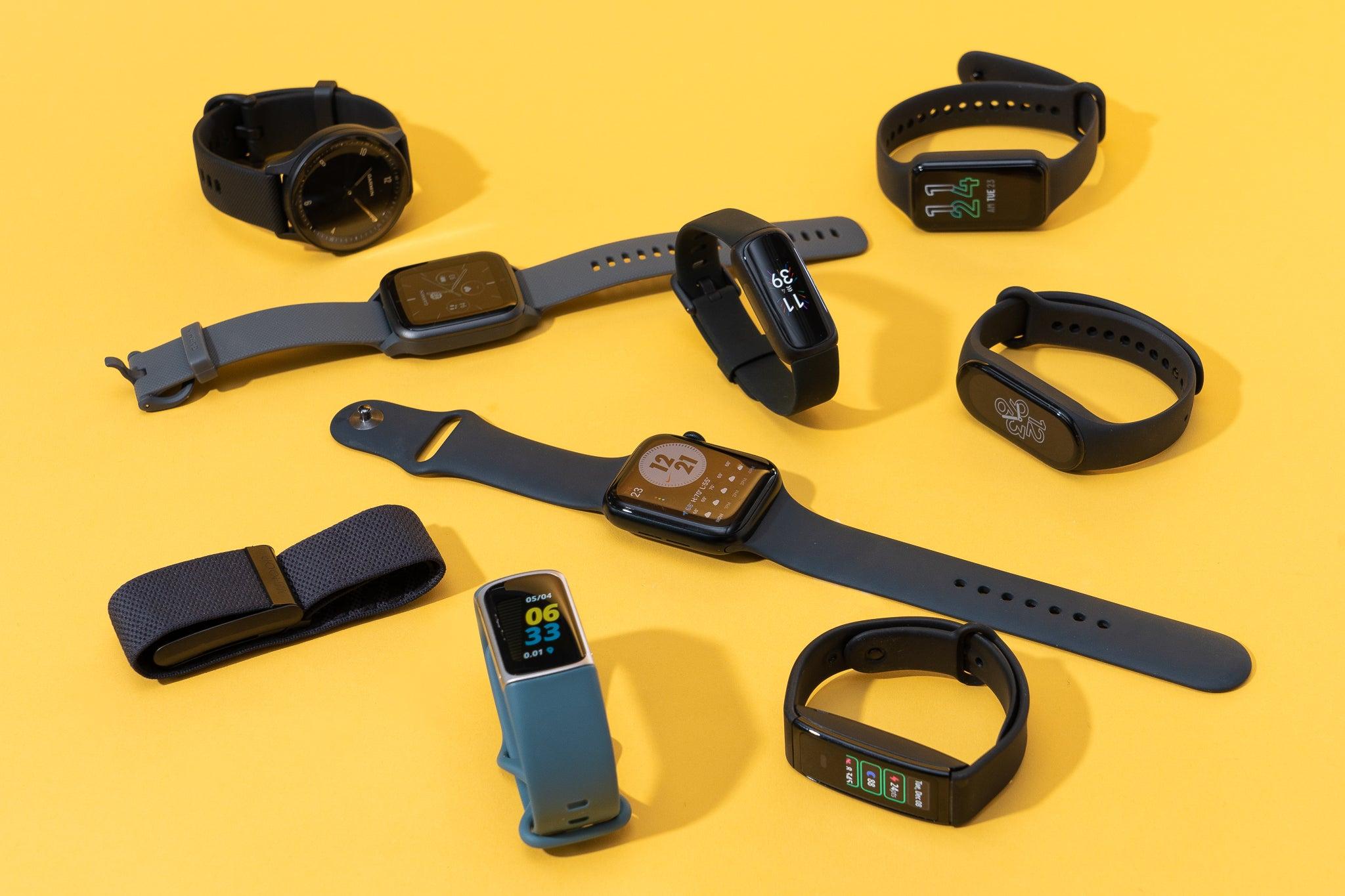
In a world where every step can be quantified and every heartbeat monitored, the pursuit of fitness has transformed into a journey of data and discovery. Just like an explorer charting uncharted territories, tracking your fitness progress allows you to navigate through your goals, understand your body, and celebrate milestones along the way. This guide serves as your compass, providing insights into the tools, techniques, and mental frameworks that can help you map your personal fitness landscape. From the initial spark of motivation to the satisfaction of surpassing your limits, we will delve into effective strategies for tracking your progress, ensuring that every effort is measured and every victory celebrated. Join us as we embark on this journey together—where every data point writes a story of perseverance, growth, and transformation.
Table of Contents
- Understanding Your Starting Point: Baseline Measurements and Goal Setting
- The Power of Consistency: Establishing a Tracking Routine
- Choosing the Right Tools: From Apps to Journals for Effective Monitoring
- Celebrating Milestones: Recognizing Progress and Staying Motivated
- The Conclusion
Understanding Your Starting Point: Baseline Measurements and Goal Setting
Before embarking on your fitness journey, it’s crucial to establish a clear understanding of your current state. This involves taking baseline measurements, which serve as a snapshot of your physical health and fitness level. Consider evaluating a variety of metrics, such as:
- Body Composition: Measure your weight, muscle mass, and body fat percentage.
- Endurance Levels: Track how many minutes you can run or cycle without fatigue.
- Strength Tests: Record the maximum weight you can lift for a single repetition.
- Flexibility Measurements: Assess your range of motion in key areas like hips and shoulders.
Once you have gathered your baseline data, it’s time to set realistic yet inspiring goals. These should be specific, measurable, achievable, relevant, and time-bound (SMART). For instance, instead of saying “I want to get fit,” opt for a goal like, “I aim to run a 5K in under 30 minutes by three months from now.” Additionally, organizing your goals into short-term and long-term categories will help maintain motivation. Consider using a simple table to track progress:
| Goal Type | Specific Goal | Target Date | Progress |
|---|---|---|---|
| Short-Term | Attend three fitness classes per week | 1 Month | ✅ |
| Long-Term | Complete a half marathon | 6 Months | ⏳ |
The Power of Consistency: Establishing a Tracking Routine
Establishing a consistent tracking routine can significantly enhance your fitness journey. When you dedicate time each week to log your workouts, dietary habits, and overall feelings, you create a comprehensive picture of your progress. This discipline not only serves as motivation but also helps you identify patterns that influence your performance. Consider integrating the following elements into your routine:
- Daily Journaling: Spend a few minutes reflecting on your workouts and nutrition to discover what fuels your success.
- Weekly Reviews: Set aside time to evaluate your progress and recalibrate your goals.
- SMART Goals: Utilize Specific, Measurable, Achievable, Relevant, and Time-bound objectives for more effective tracking.
To further bolster your tracking efforts, consider using digital tools or apps tailored for fitness enthusiasts. These platforms can simplify data entry and enable you to visualize your achievements over time. Here’s an example of how tracking different aspects can be organized:
| Date | Workout Type | Duration | Calories Burned |
|---|---|---|---|
| 01/01/2023 | Cardio | 30 min | 300 |
| 01/02/2023 | Strength | 45 min | 400 |
| 01/03/2023 | Yoga | 60 min | 200 |
Choosing the Right Tools: From Apps to Journals for Effective Monitoring
In today’s digital age, finding the right tools to monitor your fitness journey can make all the difference. There’s no shortage of options available, ranging from sleek apps to classic journals, each catering to various preferences and goals. When selecting an app, consider features such as activity tracking, diet monitoring, and progress analysis. Popular choices include:
- MyFitnessPal: Ideal for nutrition tracking with an extensive food database.
- Strava: Perfect for cyclists and runners looking to connect with a community.
- Fitbit: Excellent for overall health monitoring, including sleep and heart rate.
Meanwhile, some prefer the tactile experience of journaling their progress. A well-structured journal can serve as a personalized reflection space, and it encourages mindfulness regarding fitness habits. Consider including sections for daily workouts, meal plans, and motivational quotes. Below is a simple template for structuring a fitness journal:
| Date | Workout Type | Duration | Notes |
|---|---|---|---|
| MM/DD/YYYY | Cardio | 30 mins | Felt great! |
| MM/DD/YYYY | Strength Training | 45 mins | Increased weights! |
Celebrating Milestones: Recognizing Progress and Staying Motivated
Every step forward in your fitness journey deserves recognition. Acknowledging these milestones not only reinforces your commitment but also serves as a powerful motivator to keep pushing forward. Whether it’s achieving a personal best in your workout, consistently attending classes, or simply feeling more energetic throughout the day, each success can be celebrated. Here are some effective ways to honor your progress:
- Set Reward Goals: Treat yourself to a new workout outfit or a relaxing spa day when you hit specific targets.
- Keep a Visual Journal: Document your progress through photos or a fitness app to see how far you’ve come.
- Share Your Journey: Connect with friends or online communities to celebrate your achievements together.
It’s essential to remember that the path to fitness is not just about the destination but also about the experiences along the way. Reflecting on your journey enhances the sense of accomplishment and can rejuvenate your passion for fitness. Consider creating a simple table to track your key milestones and share it with your accountability partners:
| Milestone | Date Achieved | Reward |
|---|---|---|
| First 5K Run | March 15, 2023 | New Running Shoes |
| Consistent Gym Attendance for 3 Months | May 20, 2023 | Spa Day |
| 10% Body Weight Loss | June 30, 2023 | Fitness Tracker |
The Conclusion
As you embark on your fitness journey, remember that the path to your goals is as important as the destination itself. Mapping your progress not only illuminates the strides you’ve made but also provides essential insights that keep you motivated along the way. Whether you’re stepping into the world of fitness for the first time or seeking to elevate your established routine, tracking your improvements serves as a powerful tool for self-discovery and accountability.
Let each measurement, milestone, and reflection become a stepping stone, guiding you through the ups and downs of your journey. Fitness is not just about reaching an end point; it’s about enjoying the process, learning from the challenges, and celebrating every small victory. So arm yourself with the tools and techniques outlined in this guide, and take ownership of your own unique map. Your journey is yours to navigate—make it meaningful, and let it lead you to a healthier, happier you.