


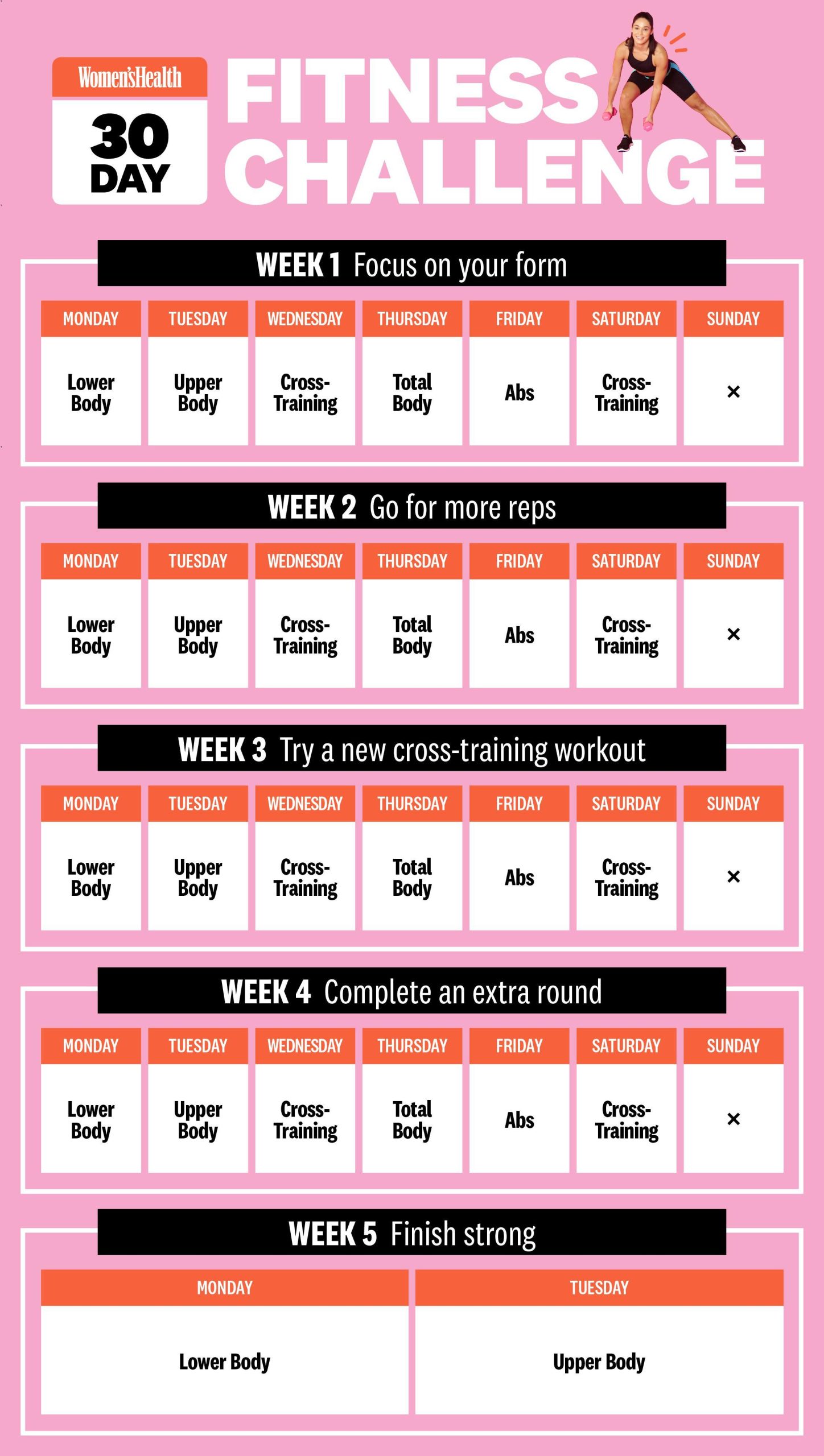
In recent years, the pursuit of fitness has garnered significant attention, prompting individuals to seek tailored workout routines that align with their specific health and wellness goals. Whether aiming to lose weight, build muscle, enhance endurance, or improve overall well-being, the effectiveness of a workout regimen largely depends on its design and the individual’s unique objectives. This article aims to explore various workout routines that cater to diverse fitness goals, examining key principles of effective training, the importance of personalization, and the role of consistency in achieving desired outcomes. By providing an overview of established approaches and contemporary trends in fitness, we seek to equip readers with the knowledge necessary to make informed decisions about their exercise practices.
Table of Contents
- Understanding Different Fitness Goals and Their Implications
- Designing Balanced Workout Routines for Weight Loss
- Strength Training Approaches for Muscle Gain
- Incorporating Flexibility and Recovery Strategies in Fitness Plans
- In Summary
Understanding Different Fitness Goals and Their Implications
When it comes to fitness, understanding individual goals is crucial in shaping an effective workout routine. Different people have varied objectives ranging from weight loss and muscle gain to improved endurance or overall health. Common fitness goals can include:
- Weight Loss: Focusing on creating a calorie deficit through a combination of cardiovascular and strength training.
- Muscle Building: Emphasizing resistance training with progressive overload to stimulate hypertrophy.
- Endurance Training: Incorporating activities like running or cycling that enhance cardiovascular health and stamina.
Each goal has distinct implications for workout planning. For instance, a weight loss regimen may prioritize higher repetitions with lighter weights, while muscle gain typically requires lower repetitions with heavier weights. Additionally, endurance-focused workouts often include longer sessions with higher frequency. Here’s a simple comparison of workout components for each goal:
| Fitness Goal | Rep Range | Workout Frequency | Intensity Level |
|---|---|---|---|
| Weight Loss | 12-15+ reps | 4-6 times/week | Moderate |
| Muscle Gain | 6-12 reps | 3-5 times/week | High |
| Endurance | Varies (aerobic focus) | 5-7 times/week | Moderate to High |
Designing Balanced Workout Routines for Weight Loss
Creating a workout routine that promotes weight loss requires a strategic balance between cardiovascular exercises and strength training. Cardio workouts are essential for burning calories and improving heart health. Consider incorporating the following activities into your routine:
- Running or jogging
- Cycling
- Swimming
- High-intensity interval training (HIIT)
Alongside cardio, strength training is crucial for building muscle, which in turn boosts metabolism and enhances fat loss. Aim to include various movements targeting major muscle groups through:
- Weight lifting (free weights or machines)
- Bodyweight exercises (push-ups, squats)
- Resistance bands
- Core workouts (planks, sit-ups)
To effectively plan a balanced routine, consider a weekly structure that alternates focuses between cardio and strength. Below is a simple weekly workout table to guide you:
| Day | Workout Focus |
|---|---|
| Monday | Cardio – 30 min run |
| Tuesday | Strength – Upper body workout |
| Wednesday | Cardio – HIIT session |
| Thursday | Strength – Lower body workout |
| Friday | Cardio – Cycling |
| Saturday | Strength – Full body workout |
| Sunday | Rest or active recovery (yoga, walking) |
Strength Training Approaches for Muscle Gain
When it comes to cultivating muscle mass, a combination of different strength training methodologies can significantly enhance results. Some of the most effective approaches include:
- Progressive Overload: Gradually increasing the weight or resistance over time to continuously challenge your muscles.
- Compound Movements: Engaging multiple muscle groups simultaneously with exercises like squats, deadlifts, and bench presses.
- Split Training: Allocating different muscle groups to separate workout days for focused training (e.g., push/pull/legs).
Incorporating various training techniques can lead to more comprehensive muscle growth. Here are some additional methods worth considering:
- High-Intensity Training (HIT): Short bursts of intense activity followed by rest periods, promoting muscle fatigue and growth.
- Bodyweight Exercises: Utilizing your own body weight can build functional strength and improve muscle endurance.
- Olympic Lifting: Power cleans and snatches that emphasize explosive strength and engage many muscle groups.
| Training Approach | Benefits |
|---|---|
| Progressive Overload | Enhances muscle growth through constant challenge |
| Compound Movements | Maximizes efficiency by working several muscles |
| High-Intensity Training | Boosts metabolism and stimulates growth in shorter workouts |
Incorporating Flexibility and Recovery Strategies in Fitness Plans
Integrating flexibility and recovery strategies into fitness routines is essential for achieving long-term success and preventing injuries. Flexibility exercises, such as dynamic stretches and yoga, should be incorporated regularly to enhance muscle elasticity and joint mobility. These practices can significantly contribute to overall performance and physical agility. Furthermore, a proper recovery plan should include activities aimed at reducing muscle soreness and promoting relaxation. Implementing the following techniques can optimize recovery:
- Active Recovery: Light activities like walking or swimming help maintain blood flow and promote healing.
- Hydration: Adequate fluid intake aids in flushing out toxins and replenishing lost electrolytes.
- Rest Days: Scheduled rest days are necessary to allow the body to repair and strengthen itself.
- Stretching and Foam Rolling: These techniques help alleviate tension and enhance muscular recovery.
| Flexibility Techniques | Benefits |
|---|---|
| Dynamic Stretches | Improves range of motion and reduces stiffness. |
| Static Stretching | Enhances muscle flexibility and length. |
| Yoga | Promotes relaxation and improves balance. |
Prioritizing flexibility and recovery not only enhances overall fitness outcomes but also fosters a more enjoyable and sustainable workout experience. By customizing fitness plans to include these critical elements, individuals can mitigate the risk of overtraining and promote a better balance between intense workouts and essential recovery time. This thoughtful approach ensures that you remain motivated and on track toward your goals, making fitness a lifelong endeavor.
In Summary
understanding and selecting the right workout routine is essential for achieving specific fitness goals. Whether aiming for muscle gain, weight loss, improved stamina, or overall health enhancement, it’s crucial to tailor your approach to meet individual needs and preferences. By exploring various workout methods—such as strength training, cardiovascular exercise, and flexibility routines—individuals can find effective strategies that align with their objectives. Additionally, incorporating elements like rest and recovery, nutritional support, and consistent monitoring of progress will further enhance the effectiveness of any workout program. Ultimately, a well-rounded fitness plan not only supports physical goals but also promotes long-term adherence and overall well-being.