


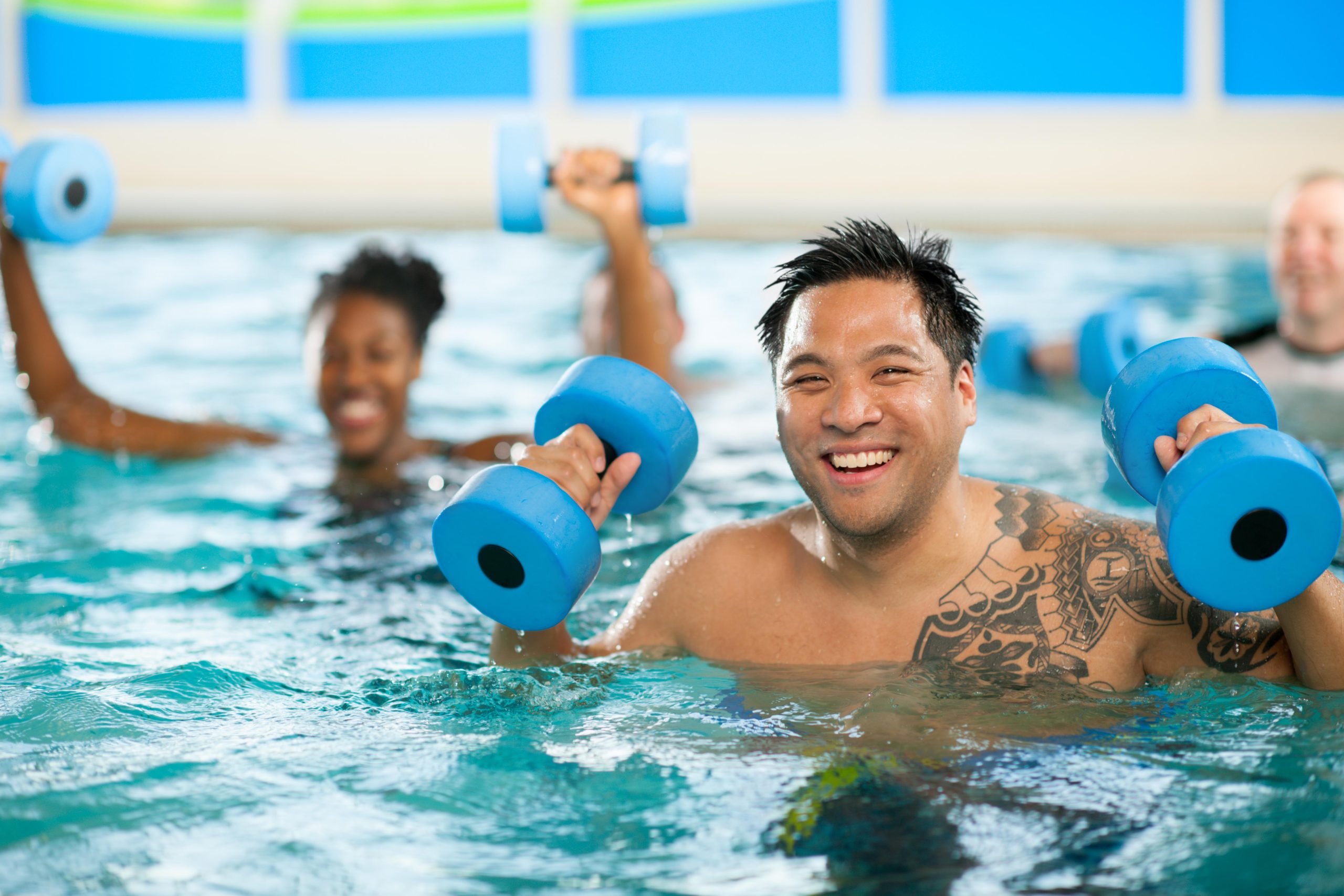
As the sun glints off the surface of the pool, a lively community of water enthusiasts emerges, seamlessly gliding through the shimmering depths. Water aerobics—a dynamic blend of fitness and fun—has been making quite a splash in the world of cardiovascular exercise. Often overlooked in favor of traditional gym workouts, this buoyant activity makes movement accessible to people of all ages and fitness levels. The gentle resistance of water not only alleviates strain on joints but also offers an invigorating environment for improving heart health. Dive in with us as we explore the transformative benefits of water aerobics, uncovering how this delightful exercise can elevate your cardio routine while providing a refreshing twist to your fitness journey.
Table of Contents
- Exploring the Unique Dynamics of Water Aerobics
- Cardio Conditioning: How Water Resistance Enhances Your Workout
- Joint-Friendly Fitness: The Healing Power of Aquatic Exercise
- Tailoring Your Routine: Tips for Getting Started with Water Aerobics
- The Way Forward
Exploring the Unique Dynamics of Water Aerobics
Water aerobics is a captivating blend of fitness and fun, transforming traditional exercise routines into invigorating aquatic experiences. Engaging in this low-impact activity allows participants to harness the unique properties of water, where buoyancy supports the body, reducing strain on the joints, and enabling a wider range of motion. The resistance offered by water increases the workout intensity without the risks associated with land-based exercises, making it accessible for individuals of all ages and fitness levels. Participants can enjoy a comprehensive cardiovascular workout while also enjoying the refreshing sensation of moving through water.
In addition to its physical benefits, water aerobics fosters a sense of community and camaraderie often absent in solo workouts. Classes typically encourage social interaction among participants, enhancing the overall experience. By incorporating music and group choreography, water aerobics not only targets cardiovascular strength but also uplifts the spirit. Key advantages include:
- Enhanced cardiovascular health – Improves heart and lung function.
- Muscle toning – Builds strength using water’s resistance.
- Stress relief – The soothing nature of water can reduce anxiety.
- Increased flexibility – Aquatic movement promotes range of motion.
Cardio Conditioning: How Water Resistance Enhances Your Workout
Water aerobics isn’t just a fun way to break a sweat; it significantly boosts your cardio conditioning by utilizing the unique properties of water. When you engage in aquatic exercise, the resistance provided by water is about 12 times greater than that of air. This means every movement you make, whether it’s a kick, punch, or stride, is met with enhanced resistance. As a result, your heart and lungs work harder, increasing your cardiovascular fitness. The buoyancy of water also reduces stress on your joints, making it an ideal option for individuals at various fitness levels, especially those recovering from injuries or dealing with arthritis.
Moreover, the cooling effect of water creates a refreshing environment that allows for prolonged workouts without overheating, enabling you to sustain higher levels of intensity. Here are some of the key benefits of incorporating water resistance into your cardio routine:
- Improved cardiovascular endurance – Regular practice strengthens heart and lung function.
- Enhanced muscular strength – Engaging in resistance exercises underwater promotes muscle tone.
- Increased calorie burn – Water aerobics can burn more calories than traditional land exercises due to its resistance.
- Greater flexibility – The gentle nature of movements in water aids in improving range of motion.
| Activity | Calories Burned (approx.) |
|---|---|
| Water Aerobics (60 min) | 400-500 |
| Running (60 min) | 600-800 |
| Cycling (60 min) | 500-600 |
Joint-Friendly Fitness: The Healing Power of Aquatic Exercise
Aquatic exercise offers a unique combination of resistance training and cardiovascular benefits, all while being gentle on the joints. Water serves as a natural buoyancy aid, reducing the impact on your body and allowing for a broader range of motion. The following benefits highlight why water-based workouts are an excellent choice for those seeking a low-impact alternative:
- Reduced Joint Stress: The supportive qualities of water lower the strain on joints, making every movement smoother and safer.
- Improved Flexibility: The resistance of water encourages greater flexibility, aiding in muscle stretching and mobility.
- Effective Cardio Workout: Engaging in water aerobics elevates your heart rate while minimizing the risk of injury.
- Enhanced Muscle Strength: The natural resistance of water builds muscle strength without heavy weights.
Designed specifically for fitness enthusiasts of all ages and abilities, aquatic exercise classes have become a popular choice in community centers and gyms. These sessions typically vary from beginners to advanced levels, ensuring everyone can find a fitting program. Instructors often utilize various equipment such as water weights, noodles, and kickboards to further enhance the workout experience. Below is a brief overview of the essential components of a standard aquatic exercise program:
| Component | Description |
|---|---|
| Warm-Up | Gentle movements to prepare the body before diving into the main workout. |
| Main Session | Cardio-intensive routines that focus on body strength and endurance. |
| Cool Down | Low-intensity movements to gradually bring the heart rate back to normal. |
| Stretching | In-water stretches to enhance flexibility and relax muscles. |
Tailoring Your Routine: Tips for Getting Started with Water Aerobics
Starting a water aerobics routine can be an exciting journey towards enhanced fitness and wellness. To tailor your sessions effectively, consider beginning with simple moves that help you acclimatize to the water and build confidence. Here are some suggestions to help you ease into your routine:
- Warm-up: Begin each session with a gentle warm-up to prepare your muscles. Simple arm circles and leg lifts are great for this.
- Focus on Core Exercises: Incorporate exercises that engage your core, like standing knee raises or water planks, to build stability.
- Use Equipment: Consider using water dumbbells or noodles for resistance, enhancing your workout.
- Stay Hydrated: Always keep a water bottle nearby; staying hydrated in the pool is just as important.
As you grow more accustomed to the water, you can gradually introduce more dynamic movements into your routine. This allows you to explore a range of benefits while keeping sessions engaging. Check out the following tips for maximizing your experience:
| Focus Area | Recommended Exercises |
|---|---|
| Cardio Endurance | Jumping jacks, high-knees, and flutter kicks |
| Strength Training | Water push-ups, squats with resistance, and tricep extensions |
| Flexibility | Standing stretches, arm cross stretches, and leg extensions |
The Way Forward
As we conclude our exploration of water aerobics and its myriad benefits for cardiovascular health, it becomes clear that this dynamic form of exercise transcends the boundaries of traditional workouts. Whether you’re a seasoned fitness enthusiast or a newcomer looking for a gentle yet effective way to get moving, the buoyant embrace of water provides a unique environment for promoting heart health, building strength, and enhancing overall well-being.
Incorporating water aerobics into your routine is not just about splashing around; it’s about making waves in your fitness journey. So, whether you’re swaying to the rhythm of a group class or choreographing your own aquatic dance, remember that every stroke, splash, and jump brings you closer to a healthier heart and a refreshed mind. Dive in, explore the depths of your potential, and let the soothing nature of water guide you towards a vibrant, active lifestyle. The pool is waiting—are you ready to make a splash?