


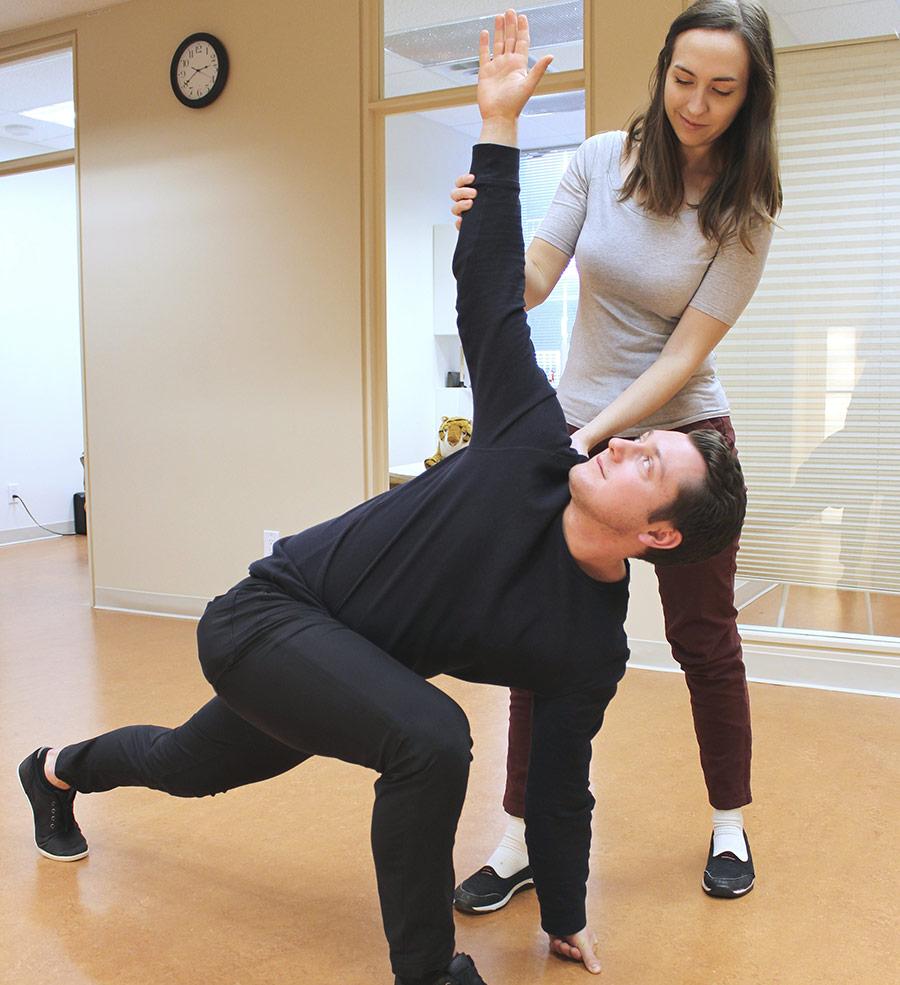
In the intricate tapestry of human experience, moments of adversity can often serve as catalysts for transformation. Whether it’s recovering from an injury, overcoming addiction, or navigating a significant life change, the path to renewal is seldom a straight line. Rehabilitation training programs stand as beacons of hope, designed to guide individuals through these challenging chapters toward a brighter, more empowered future. In this exploration, we will delve into the diverse methodologies and philosophies that underpin these programs, uncovering the myriad ways they inspire resilience and foster growth. Join us as we illuminate the essence of rehabilitation training, highlighting the stories of those who have embarked on this journey and the innovative approaches shaping their experiences. It’s time to revitalize your journey—let’s take the first step together.
Table of Contents
- Uncovering the Foundations of Effective Rehabilitation Training
- Tailoring Programs for Individual Needs and Goals
- Integrating Innovative Techniques for Holistic Recovery
- Sustaining Progress: Long-Term Strategies for Success
- Closing Remarks
Uncovering the Foundations of Effective Rehabilitation Training
At the heart of successful rehabilitation training lies a blend of scientific understanding and personalized strategy. Effective programs are grounded in evidence-based practices that take into account the individual’s unique needs and circumstances. This involves assessing not just the physical condition of the participant, but also their psychological readiness and lifestyle variables. A thorough comprehension of these elements enables practitioners to curate tailored training regimens that foster improvement and enhance overall well-being. Key factors that influence the foundations of these programs include:
- Assessment and Evaluation: Conducting thorough evaluations to establish baseline measurements and set realistic goals.
- Progress Monitoring: Regularly reviewing progress to adjust training intensity and modalities appropriately.
- Multi-disciplinary Approach: Collaborating with medical professionals, therapists, and trainers to create a holistic plan.
- Patient Engagement: Encouraging active involvement of participants in their rehabilitation journey promotes accountability and motivation.
Equally significant is the importance of motivation and mindset throughout the rehabilitation training process. A supportive environment that nurtures determination can dramatically impact recovery outcomes. Utilizing intrinsic and extrinsic motivators, such as goal setting, positive reinforcement, and the fostering of community, can greatly enhance the participant’s experience. Moreover, the integration of technology in monitoring and feedback mechanisms has revolutionized rehabilitation. Consider the table below illustrating various tools and their benefits:
| Tool | Benefit |
|---|---|
| Wearable Devices | Tracks physical activity and progress in real-time. |
| Mobile Apps | Provides tailored exercises and feedback on performance. |
| Online Platforms | Offers access to remote support and community interaction. |
Tailoring Programs for Individual Needs and Goals
Understanding that every individual’s path to rehabilitation is unique is essential in designing effective training programs. Participants often come from varied backgrounds and face different challenges and objectives, which necessitates a flexible approach to recovery. By conducting thorough assessments, professionals can identify the specific needs and goals of each person and customize training sessions that align perfectly with their current capabilities and future aspirations. This tailored methodology not only enhances motivation but also ensures that individuals feel valued and understood in their journey.
Effective rehabilitation training programs incorporate a multi-faceted approach, utilizing a variety of techniques to address the individual’s needs. Key components may include:
- Personalized exercise plans: Designed to build strength and flexibility based on injury type and fitness level.
- Goal-setting strategies: Establishing short-term and long-term objectives to track progress and maintain motivation.
- Cognitive therapies: Addressing mental barriers and enhancing coping mechanisms.
- Continuous feedback loops: Regular check-ins to evaluate progress and make necessary adjustments.
| Program Component | Description |
|---|---|
| Assessment | Initial evaluation to identify specific needs. |
| Training Plan | Customized workout regimen reflecting individual goals. |
| Tracking | Regular progress assessments and adjustments. |
Integrating Innovative Techniques for Holistic Recovery
As rehabilitation training programs evolve, there’s a growing emphasis on embracing innovative techniques that cater to the whole person, rather than just a single aspect of recovery. By integrating methods such as mindfulness practices, art therapy, and movement-based therapies, individuals can foster a more profound connection between their mind, body, and spirit. These approaches not only promote physical healing but also enhance emotional resilience, encouraging participants to engage more deeply with their recovery process.
Furthermore, the implementation of technology in rehabilitation can yield remarkable outcomes. Virtual reality (VR) and gamified experiences provide immersive environments that can simulate real-life challenges, making rehabilitation both engaging and effective. Additionally, the use of wearable devices allows for personalized monitoring, which can help track progress and adapt training regimens accordingly. Here’s a glimpse of some holistic techniques and how they can benefit the recovery journey:
| Technique | Benefits |
|---|---|
| Mindfulness Practices | Reduces anxiety and enhances emotional regulation |
| Art Therapy | Encourages self-expression and aids in emotional processing |
| Movement-based Therapies | Improves physical health and builds confidence |
| Virtual Reality | Makes rehabilitation engaging and stimulates skill acquisition |
Sustaining Progress: Long-Term Strategies for Success
To truly maintain momentum in rehabilitation training programs, it’s essential to implement strategies that encourage steady growth and adaptability. Establishing clear goals is the foundation of sustained progress. By setting short-term and long-term objectives, participants can measure their achievements and stay motivated. Alongside this, integrating a routine that encompasses a combination of therapies ensures a well-rounded approach. This could include:
- Physical Therapy – Focus on strength building and flexibility.
- Occupational Therapy – Enhance daily living skills.
- Cognitive Behavioral Therapy – Address mental and emotional health.
Furthermore, the role of community and support systems cannot be understated. Engaging with peer support groups provides a valuable network where experiences can be shared, promoting a sense of belonging. Regular check-ins with professionals allow for adjustments in training programs based on individual progress. Consider using a simple tracking table to visualize progress over time:
| Month | Goal | Progress | Notes |
|---|---|---|---|
| 1 | Increase mobility | 75% | Consistent attendance |
| 2 | Build strength | 60% | Need to focus on upper body |
| 3 | Enhance flexibility | 80% | Incorporated stretching exercises |
Closing Remarks
As we conclude our exploration of rehabilitation training programs, it’s clear that these pathways to recovery offer more than just physical improvement; they serve as a beacon of hope and a testament to the resilience of the human spirit. Venturing into these programs is akin to embarking on a transformative journey, where every step taken is a step toward reclaiming strength, independence, and a renewed sense of purpose.
In a world where challenges abound, the importance of tailored rehabilitation cannot be understated. Whether you’re seeking recovery from an injury, managing a chronic condition, or simply striving for a healthier lifestyle, these programs provide the tools and support necessary to navigate your unique path to wellness.
As you contemplate your next steps, remember that revitalization is not just a destination—it’s a continuous journey filled with opportunities for growth and self-discovery. Embrace the possibilities that lie ahead and consider how these rehabilitation training programs might empower you to not only reach your goals but to soar beyond them. Your journey is just beginning; take that first step with confidence and curiosity.