


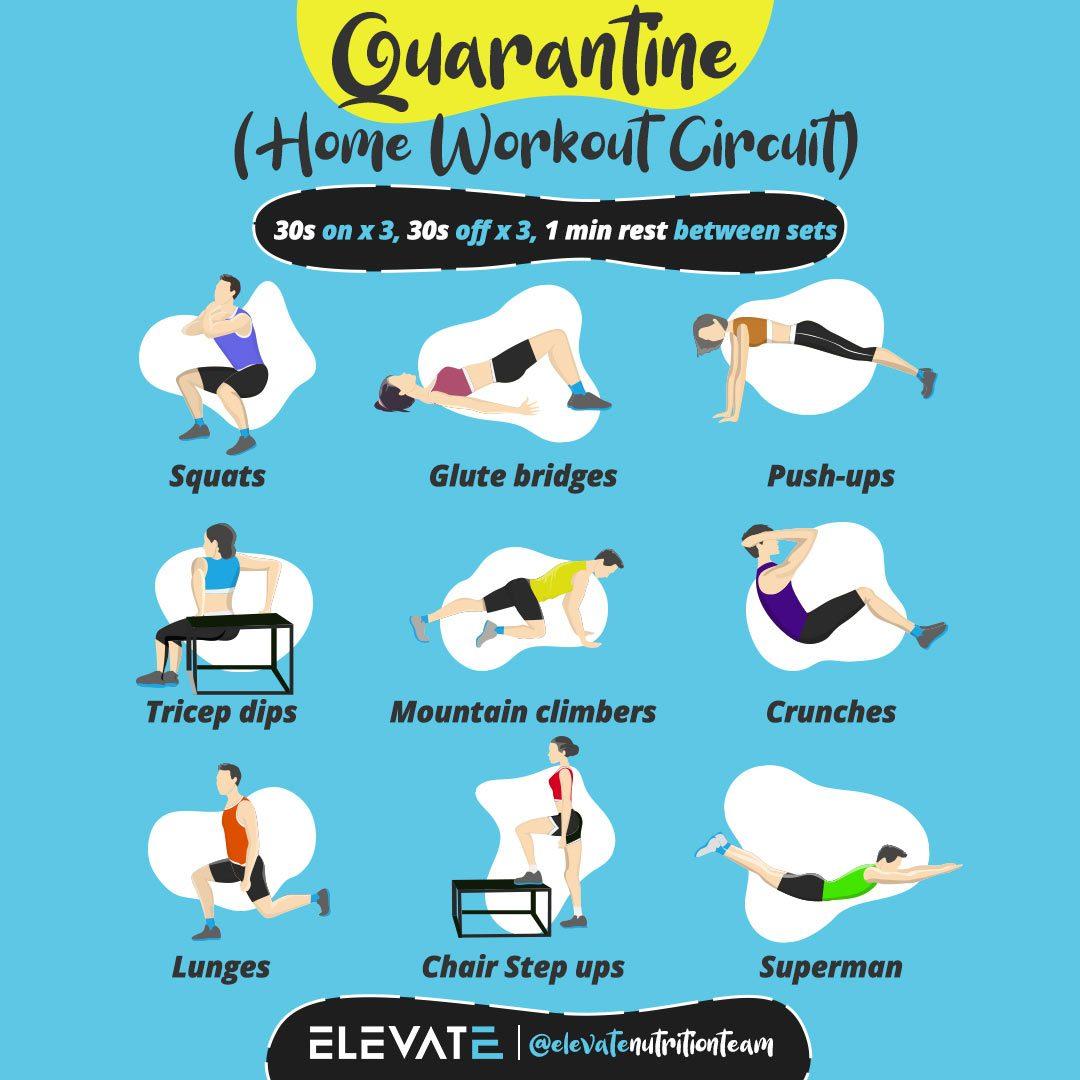
In today’s fast-paced world, home workouts have become increasingly popular, offering a convenient and flexible way to stay fit. However, while you may have your exercise routine down pat, it’s essential to remember that nutrition plays a critical role in maximizing your workout results. Whether you’re looking to build muscle, lose weight, or simply maintain a healthy lifestyle, the food you fuel your body with can significantly impact your performance and recovery. In this article, we’ll delve into some essential nutrition tips specifically tailored for those who prefer to break a sweat in the comfort of their own homes. From understanding macronutrients to optimizing pre- and post-workout meals, we’ll cover everything you need to know to support your fitness journey and ensure you get the most out of your home workouts. So, let’s uncover how to nourish your body effectively and make every rep count!
Table of Contents
- Understanding Macronutrients for Optimal Performance
- Hydration Strategies to Enhance Your Workout Results
- Pre-Workout Fuel: What to Eat for Maximum Energy
- Post-Workout Nutrition: Recovery Meals to Refuel and Repair
- Key Takeaways
Understanding Macronutrients for Optimal Performance
To fuel your home workouts effectively, it’s crucial to understand the role of macronutrients in your diet. These nutrients—carbohydrates, proteins, and fats—each play a distinct role in optimizing your fitness performance and recovery. Carbohydrates are your body’s primary source of energy, making them essential for enduring those high-intensity workouts. A diet rich in complex carbohydrates, such as whole grains and vegetables, provides the sustained energy necessary for prolonged exercise. Meanwhile, proteins are vital for muscle recovery and growth; they help repair the microscopic tears in muscles caused by exercise. Opt for lean proteins like chicken, fish, legumes, and dairy to support your workout goals.
Fats, often misunderstood, also play an essential role in overall nutrition. Healthy fats, such as those found in avocados, nuts, and olive oil, are crucial for hormone production and can help sustain energy during longer workouts. To achieve a balanced diet, consider adopting the following macronutrient distribution:
| Macronutrient | Role in Performance | Recommended Sources |
|---|---|---|
| Carbohydrates | Primary energy source | Whole grains, fruits, vegetables |
| Proteins | Muscle recovery and growth | Chicken, fish, legumes |
| Fats | Hormone production; energy sustainer | Avocados, nuts, olive oil |
Balancing these macronutrients according to your exercise intensity and personal goals can significantly enhance your workout effectiveness. Remember to stay hydrated as well; proper hydration is key to maximizing the benefits of your nutrition and improving performance!
Hydration Strategies to Enhance Your Workout Results
Hydration plays a pivotal role in optimizing workout performance and recovery. Staying adequately hydrated before, during, and after your exercise sessions can significantly enhance your results. Here are some effective strategies to ensure you maintain proper hydration levels:
- Pre-Workout Hydration: Aim to drink at least 16-20 ounces of water two hours before your workout. This sets a solid foundation for your performance.
- Intra-Workout Hydration: For workouts lasting longer than 60 minutes, consider sipping on an electrolyte-rich drink to replenish lost minerals, especially in humid conditions.
- Post-Workout Recovery: Rehydrate with 16-24 ounces of water or a recovery drink within 30 minutes after exercising to aid in muscle recovery and replace fluids lost during the workout.
Understanding your body’s unique hydration needs is crucial. Factors such as workout intensity, duration, and individual sweat rates can influence how much fluid you require. Here’s a simple table to help you gauge your hydration needs based on the type of workout:
| Workout Type | Recommended Fluid Intake |
|---|---|
| Low-Intensity (e.g., walking) | 8-10 oz hourly |
| Moderate-Intensity (e.g., cycling) | 10-16 oz hourly |
| High-Intensity (e.g., HIIT) | 16-24 oz hourly |
Pre-Workout Fuel: What to Eat for Maximum Energy
Fueling your body before a workout is essential for delivering the maximum performance you crave. To harness that energy effectively, focus on consuming a balanced blend of carbohydrates, proteins, and healthy fats. Carbohydrates are particularly crucial as they provide the immediate energy source your muscles need, while proteins aid in muscle repair and growth. Some excellent pre-workout options include:
- Banana with nut butter: A powerful combination of potassium and healthy fats.
- Greek yogurt with berries: Packed with protein and antioxidants.
- Oatmeal with honey: A slow-releasing carb to sustain energy.
- Whole grain toast with avocado: Offers fiber and healthy fats for lasting energy.
Timing is just as important as what you eat. Ideally, you should consume your pre-workout meal about 30 to 60 minutes before exercising. This allows your body ample time to digest and convert food into energy. If you’re searching for a quick energy boost closer to workout time, consider:
| Quick Snacks | Benefits |
|---|---|
| Granola bar | Convenient carbs for fast energy. |
| Fruit smoothie | Hydration and quick sugar for energy. |
| Rice cakes with peanut butter | Light yet sustaining fuel. |
Selecting the right foods and timing will set the foundation for a highly effective workout. Remember to listen to your body and adjust your pre-workout nutrition based on how you feel during your sessions.
Post-Workout Nutrition: Recovery Meals to Refuel and Repair
Recovery meals are crucial after a workout to replenish the nutrients lost and aid in muscle repair. A balanced approach combining protein, carbohydrates, and healthy fats can make a significant difference in your recovery process. Consider incorporating these key components into your post-workout meal:
- Protein: Helps repair and build muscle tissue. Options include grilled chicken, tofu, Greek yogurt, or protein shakes.
- Carbohydrates: Restores glycogen levels in muscles. Think whole grains, sweet potatoes, or fruit like bananas and berries.
- Healthy Fats: Supports overall health and aids in the absorption of vital nutrients. Avocado, nuts, and olive oil are excellent choices.
To make it easier for you to plan your recovery meals, here’s a simple table illustrating some effective combinations:
| Meal Option | Protein Source | Carb Source | Healthy Fats |
|---|---|---|---|
| Chicken Stir-Fry | Grilled Chicken | Brown Rice | Sesame Oil |
| Greek Yogurt Bowl | Greek Yogurt | Granola | Chia Seeds |
| Protein Smoothie | Protein Powder | Mixed Berries | Flaxseed |
| Quinoa Salad | Chickpeas | Quinoa | Avocado |
These meal combinations not only taste great but also provide the essential nutrients your body craves after exercising. By prioritizing your post-workout nutrition, you will optimize your recovery, paving the way for better performance in future workouts.
Key Takeaways
understanding the fundamental connection between nutrition and exercise is crucial for maximizing the effectiveness of your home workouts. By focusing on balanced meals that prioritize whole foods, proper hydration, and strategic nutrient timing, you can fuel your body for optimal performance and recovery. Remember that consistency is key—not just in your workout routine, but also in your nutritional habits. Whether you’re looking to build strength, improve endurance, or simply stay active, following these essential nutrition tips can help you achieve your fitness goals more efficiently.
As you continue your journey towards a healthier lifestyle, keep experimenting with different foods and strategies to find what works best for you. Listen to your body, stay informed, and don’t hesitate to adjust your nutrition plan as needed. Now that you have the tools to enhance your home workouts with proper nutrition, it’s time to put them into action. Happy training, and here’s to a healthier, more energized you!