


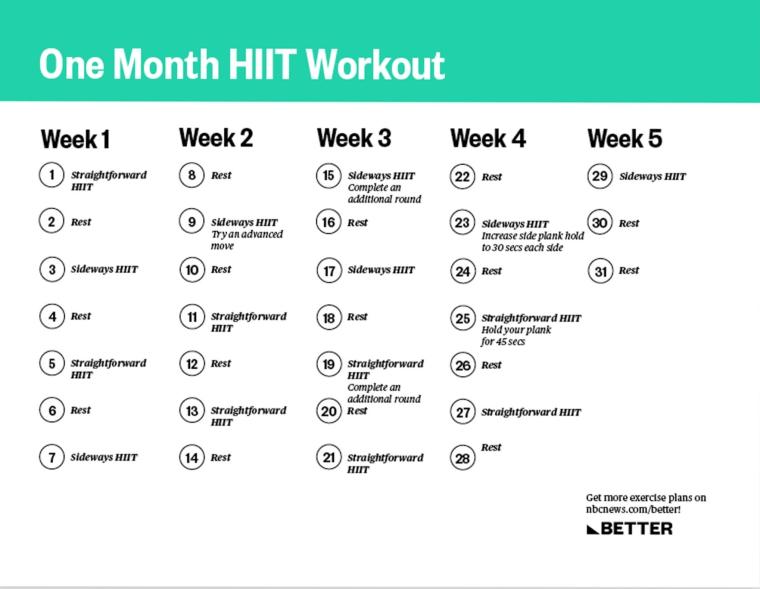
In a world where time is often the greatest luxury, staying fit can seem like an elusive goal. Enter High-Intensity Interval Training (HIIT) cardio workouts—innovative workouts that promise to unlock the door to maximum results in minimal time. With its rapid bursts of high-intensity movements followed by short recovery periods, HIIT challenges the traditional notions of exercise, offering a fresh perspective on fitness. This article delves into the science behind HIIT, its myriad benefits, and how it can easily be integrated into even the busiest of lifestyles. Whether you’re a fitness novice or a seasoned athlete, join us as we explore how HIIT cardio workouts can transform your fitness routine and help you achieve your health goals more efficiently than ever before.
Table of Contents
- Exploring the Science Behind HIIT Cardio and Its Benefits
- Mastering HIIT Techniques for Maximum Efficiency
- Tailoring Your HIIT Routine: Strategies for All Fitness Levels
- Sustaining Motivation: Tips to Stick with HIIT Workouts
- To Conclude
Exploring the Science Behind HIIT Cardio and Its Benefits
The science behind High-Intensity Interval Training (HIIT) lies in its ability to elevate the heart rate efficiently while maximizing calorie burn in a shorter time frame. Research indicates that HIIT can improve metabolism significantly, leading to a greater caloric expenditure even after the workout has ended—known as the afterburn effect. This phenomenon is primarily attributed to the anaerobic activity that occurs during intense bursts of exercise, which encourages the body to consume more oxygen and, subsequently, more energy during recovery. Key benefits associated with this method include:
- Enhanced Cardiovascular Health: Studies show that HIIT can improve heart health and increase overall endurance.
- Time Efficiency: Can provide workout benefits comparable to longer sessions of traditional cardio in just a fraction of the time.
- Fat Loss: Effective in reducing body fat while preserving muscle mass.
Moreover, HIIT workouts promote increased insulin sensitivity, which is beneficial for metabolic health and can lower the risk of type 2 diabetes. A table summarizing the impacts of HIIT compared to moderate-intensity continuous training (MICT) highlights the advantages further:
| Aspect | HIIT | MICT |
|---|---|---|
| Workout Duration | Short (15-30 minutes) | Long (30-60 minutes) |
| Calories Burned | High post-exercise | Moderate during exercise |
| Muscle Preservation | High | Variable |
| Intended Audience | Athletes, Busy Individuals | Beginners, General Fitness |
Mastering HIIT Techniques for Maximum Efficiency
High-Intensity Interval Training (HIIT) is not just a workout; it’s a method of training that can redefine your fitness journey. To truly harness its power, mastering specific techniques can significantly enhance your performance and results. Form is paramount—adequate posture and alignment prevent injuries and maximize your energy output. Beyond that, breathing techniques are crucial; focusing on inhaling through the nose and exhaling through the mouth optimizes oxygen supply during intense bursts. Incorporate varied intervals, alternating between near-maximum effort and active recovery for optimal cardiovascular benefits. This strategy not only enhances endurance but also prevents workout monotony.
Integrating strength elements into your HIIT sessions adds another layer of efficiency. Mixing push-ups, squats, or kettlebell swings into your intervals targets multiple muscle groups, promoting strength gains alongside cardio. Consider organizing your intervals in a structured format, such as:
| Interval Type | Duration | Recovery Period | Repetitions |
|---|---|---|---|
| Max Effort | 30 seconds | 15 seconds | 8 |
| Active Recovery | 1 minute | N/A | 4 |
| Cooldown | 5 minutes | N/A | 1 |
Experimenting with these techniques can dramatically enhance the effectiveness of your workouts. As you build endurance, gradually increase the intensity and duration of your intervals. Remember, the key is finding a balance that challenges you effectively while ensuring adequate recovery for long-term success.
Tailoring Your HIIT Routine: Strategies for All Fitness Levels
High-Intensity Interval Training (HIIT) can be an exhilarating journey, but it’s important to tailor your routine to match your specific fitness level. Beginners might start with shorter intervals and more extended rest periods, focusing on mastering fundamental movements. Consider integrating exercises such as bodyweight squats, push-ups, and jumping jacks into your sessions. Aim for a structure of 20 seconds of effort followed by 40 seconds of rest, which allows you to build stamina without overwhelming yourself. For intermediate and advanced athletes, you can increase the intensity by reducing rest times or incorporating weights, such as kettlebells or dumbbells, to challenge your endurance significantly.
To help you design a customized HIIT routine, focus on these key strategies:
- Define Clear Goals: Are you aiming for weight loss, muscle gain, or improved cardiovascular health?
- Mix It Up: Combine different types of exercises to prevent boredom and ensure complete body engagement.
- Track Progress: Recording your workouts can keep you motivated and highlight areas for improvement.
Consider using the following table as a guideline to determine the ideal format of your HIIT workouts based on your experience level:
| Fitness Level | Work Interval | Rest Interval | Workout Duration |
|---|---|---|---|
| Beginner | 20 seconds | 40 seconds | 15-20 minutes |
| Intermediate | 30 seconds | 30 seconds | 20-30 minutes |
| Advanced | 40 seconds | 20 seconds | 30-45 minutes |
Sustaining Motivation: Tips to Stick with HIIT Workouts
Staying motivated during your HIIT workouts can be challenging, but a few strategies can help keep your momentum going. Start by setting specific goals that are both realistic and measurable. Whether it’s completing a certain number of sessions each week or mastering that tricky burpee, having clear objectives provides a roadmap for your progress. Additionally, consider mixing up your routines to keep things exciting. Incorporate new exercises, alter the intensity, or switch between different workout settings, such as outdoor runs versus gym sessions, to keep your mind engaged and body challenged.
Another key to maintaining motivation is to build a supportive community around your fitness journey. Surround yourself with friends, family, or online groups that share similar health goals. You might even join a HIIT class or an online forum to engage with others who inspire you. To track your journey, use tools like fitness apps or journals to celebrate small wins, such as improved times or increased reps. Additionally, remind yourself of the benefits of HIIT, which include enhanced cardiovascular health, increased metabolism, and effective fat loss. Here’s a quick reference table to highlight these advantages:
| Benefit | Description |
|---|---|
| Time Efficiency | Burn more calories in less time. |
| Increased Metabolism | Boost post-workout calorie burn. |
| Improved Heart Health | Strengthen cardiovascular efficiency. |
To Conclude
As we draw the curtains on our exploration of HIIT cardio workouts, it’s clear that this dynamic approach to fitness holds a treasure trove of benefits waiting to be unlocked. From quick bursts of intense effort to periods of rest, HIIT not only challenges your body but also revitalizes your enthusiasm for exercise. Whether you’re a seasoned athlete or just embarking on your fitness journey, incorporating HIIT into your routine can redefine your limits and enhance your overall health.
Remember, the beauty of HIIT lies in its versatility; you can adapt it to fit your schedule, preferences, and goals. So, as you step away from this article, consider how you might harness the power of HIIT to transform your workout experience. The path to fitness doesn’t have to be a marathon; sometimes, it’s a sprint of strategic intervals that leads to remarkable achievements. Embrace the challenge, stay committed, and let your journey to a healthier you begin—not just with a workout, but with a newfound appreciation for the potential of your own body.