


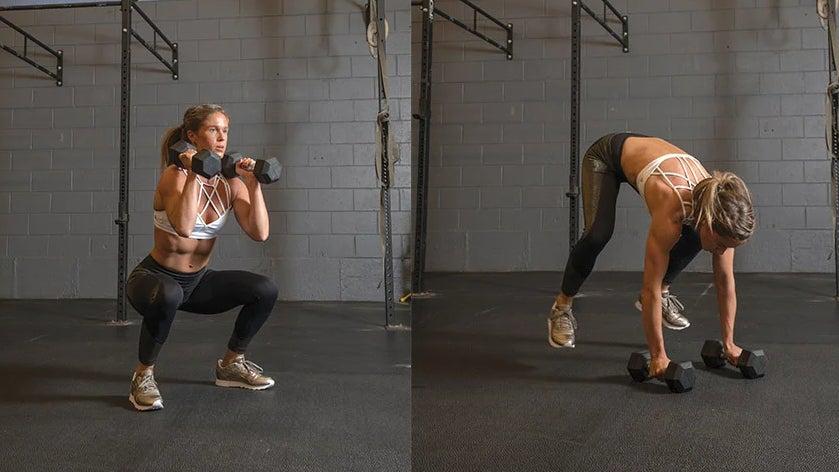
Are you tired of traditional workouts that feel more like a chore than a boost to your day? If so, you might want to consider diving into the world of functional fitness! In this article, we’re breaking down what functional fitness is all about and why it’s becoming the go-to method for so many people looking to get fit for life. Unlike those monotonous gym routines, functional fitness focuses on movements that mimic everyday activities, helping you build strength and stamina in a way that translates directly to your daily life. Whether you’re lifting groceries, climbing stairs, or playing with your kids, functional fitness prepares your body for those essential tasks, making it not just an exercise routine but a practical approach to staying active and healthy. So, grab your water bottle and let’s explore the ins and outs of getting fit for life with functional fitness!
Table of Contents
- Understanding Functional Fitness and Its Benefits
- Key Exercises to Incorporate into Your Routine
- How to Create a Balanced Functional Fitness Plan
- Staying Motivated and Tracking Your Progress
- The Way Forward
Understanding Functional Fitness and Its Benefits
Functional fitness focuses on exercises that mimic everyday activities, helping to enhance your overall strength, balance, and flexibility. Instead of isolating specific muscle groups, this approach engages multiple muscles and joints simultaneously, making workouts more efficient and applicable to daily life. Benefits of functional fitness include:
- Improved core stability
- Increased mobility and flexibility
- Enhanced balance and coordination
- Better injury prevention
- Greater adaptability to diverse physical activities
Taking part in functional fitness routines can also boost your mental resilience and overall well-being. These workouts often involve dynamic movements that require focus and concentration, providing a mental workout alongside the physical benefits. They can be tailored to any fitness level and can include activities like lifting, squatting, or even jumping. Here’s a quick look at some common functional exercises to consider:
| Exercise | Primary Benefit |
|---|---|
| Squats | Strengthens lower body, increases mobility |
| Deadlifts | Enhances core strength and stability |
| Lunges | Improves balance and coordination |
| Push-ups | Builds upper body strength |
Key Exercises to Incorporate into Your Routine
Incorporating the right set of exercises into your daily routine can significantly enhance your functional fitness. These exercises are designed to improve everyday movements and boost your overall agility, strength, and balance. For starters, consider adding the following essentials:
- Squats: Great for building lower body strength and stability.
- Planks: Perfect for core strength and endurance.
- Deadlifts: Work multiple muscle groups, focusing on the posterior chain.
- Pushing Exercises: Such as push-ups or bench presses for upper body strength.
- Pulling Movements: Like rows or pull-ups to enhance back strength.
To keep things engaging, it’s a smart move to mix in varied movements that not only challenge your body but also mimic real-life activities. You could try incorporating these exercises into a circuit format for a full-body workout:
| Exercise | Duration/Rep | Rest Time |
|---|---|---|
| Squats | 15 reps | 30 seconds |
| Push-Ups | 10-15 reps | 30 seconds |
| Plank | 30 seconds | 30 seconds |
| Deadlifts | 12 reps | 30 seconds |
| Row | 12 reps | 30 seconds |
By consistently incorporating these exercises, not only will you build a solid foundation for functional strength, but you’ll also feel more capable of handling daily tasks with greater ease. Remember to listen to your body and adjust the intensity and volume according to your personal fitness level!
How to Create a Balanced Functional Fitness Plan
Creating a balanced functional fitness plan is all about integrating exercises that mimic everyday movements to improve your overall performance in daily activities. Start by defining your fitness goals, whether it’s increasing strength, enhancing endurance, or boosting flexibility. It’s essential to include a mix of strength training, cardio, and mobility work in your routine. Here’s what you should consider:
- Strength Training: Focus on compound exercises like squats, deadlifts, and push-ups that engage multiple muscle groups and improve your functional strength.
- Cardiovascular Conditioning: Incorporate activities like running, cycling, or HIIT workouts that elevate your heart rate and build endurance.
- Flexibility and Mobility: Don’t skip stretching! Incorporate yoga or dynamic stretches to enhance your range of motion and prevent injuries.
To ensure a balanced approach, it’s also crucial to structure your workouts with proper progression and recovery. Here’s a simple weekly template:
| Day | Focus |
|---|---|
| Monday | Strength Training |
| Tuesday | Cardio |
| Wednesday | Mobility and Flexibility |
| Thursday | Strength Training |
| Friday | Cardio |
| Saturday | Active Recovery (walk, yoga) |
| Sunday | Rest |
Staying Motivated and Tracking Your Progress
Staying motivated on your fitness journey can sometimes feel like an uphill battle, but it doesn’t have to be! Here are some fun and effective strategies to keep that fire burning:
- Set Small Goals: Break your larger goals into smaller, bite-sized milestones. Celebrate each little victory, whether it’s completing a workout or mastering a new movement.
- Find a Workout Buddy: Exercising with a friend not only keeps things fun but also holds you accountable. Plus, who wouldn’t enjoy a little friendly competition?
- Mix It Up: Variety is the spice of life! Rotate your workouts to prevent boredom and discover new exercises that challenge your body in different ways.
To effectively track your progress, consider using a journal or a digital app. Documenting your workouts and achievements will help you see how far you’ve come and highlight areas where you can improve. Here’s a simple way to track your fitness milestones:
| Date | Workout Type | Duration | Notes |
|---|---|---|---|
| Oct 1, 2023 | Strength Training | 45 mins | Felt strong, increased weights! |
| Oct 3, 2023 | Yoga | 30 mins | Improved flexibility, great session! |
| Oct 5, 2023 | HIIT | 25 mins | Challenged myself with new exercises. |
Tracking your progress visually can be incredibly motivating. Consider creating a chart or utilizing fitness apps that provide analytics. With consistent motivation and diligent tracking, you’ll stay on the path to becoming the best version of yourself in no time!
The Way Forward
Wrapping It Up: Your Journey to Functional Fitness Starts Here!
So there you have it, folks! Functional fitness isn’t just another fitness fad—it’s a practical approach that can transform your workouts and enhance your everyday life. By focusing on movements that mimic real-life activities, you’ll not only build strength, flexibility, and balance but also set yourself up for a healthier, more active lifestyle.
Whether you’re lifting groceries, playing with the kids, or tackling that weekend DIY project, functional fitness provides the foundation you need to tackle life’s demands with ease. Remember, it’s all about consistency, finding joy in the movement, and making it a fun part of your daily routine.
So grab a friend, step into that gym, or roll out your yoga mat at home. Start with the basics, listen to your body, and most importantly, enjoy the journey. Here’s to getting fit for life—cheers to a stronger, healthier you! 🥳💪