


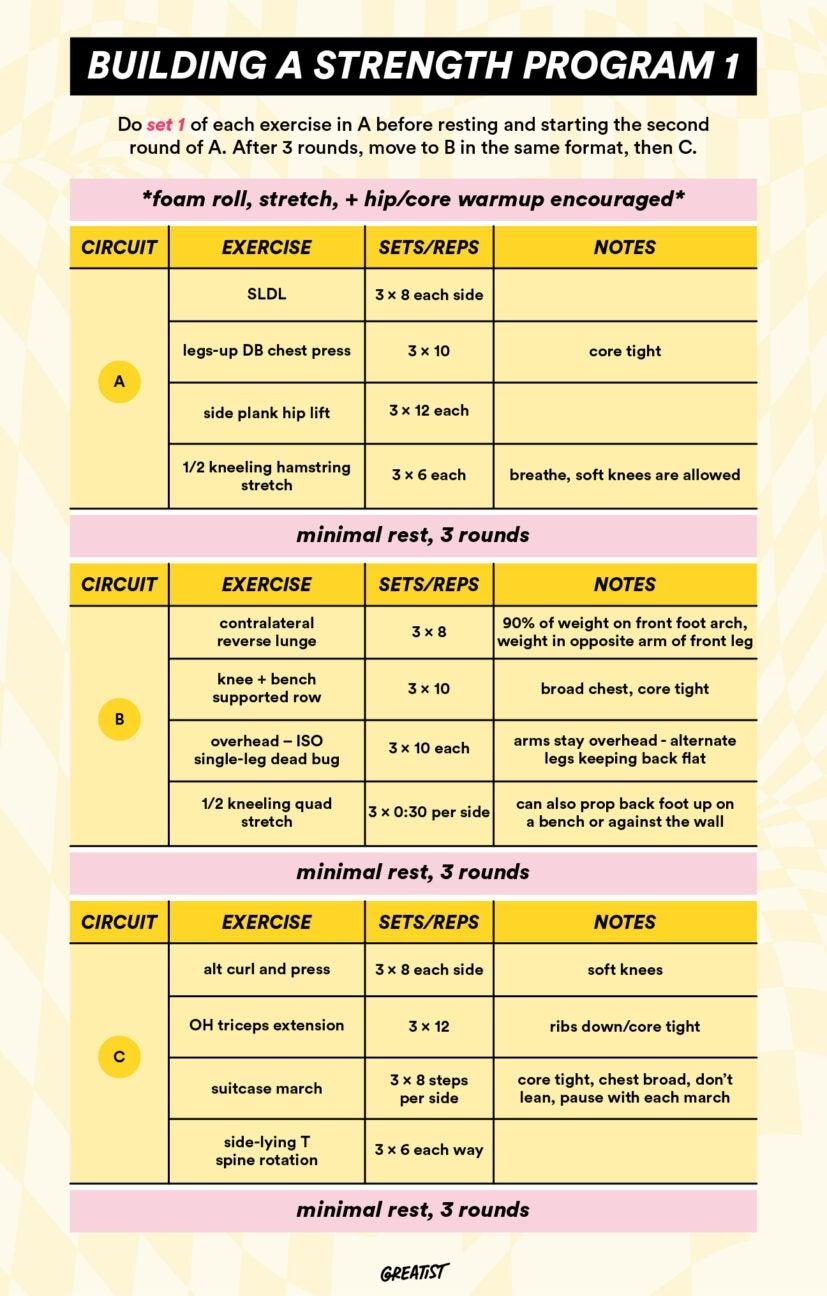
In a world where the pace of life accelerates daily, the quest for strength—both physical and mental—has never been more vital. Strength workouts serve as a beacon, guiding individuals on a transformative journey that transcends mere aesthetics, tapping into the core of our capabilities and resilience. Whether you’re a seasoned athlete seeking to refine your regimen, a beginner eager to embark on your fitness journey, or someone seeking to reclaim their physical prowess, understanding the principles of effective strength workouts is crucial. This article delves into the intricacies of crafting strength routines that not only enhance muscle power but also promote overall well-being. Join us as we explore diverse approaches, the science behind each movement, and the empowering results of dedicated training, unlocking the potential within us all.
Table of Contents
- Understanding the Foundations of Strength Training Techniques
- Designing Customized Workout Plans for Every Fitness Level
- Nutrition Strategies to Fuel Your Strength Gains
- Tracking Progress and Adjusting Your Routine for Optimal Results
- Wrapping Up
Understanding the Foundations of Strength Training Techniques
At the core of effective strength training lies a profound understanding of various techniques that allow individuals to maximize their performance. Recognizing the importance of form and technique is pivotal in minimizing injuries while enhancing productivity during workouts. Here are key principles to consider:
- Progressive Overload: Gradually increasing the weight or resistance used in your workouts to stimulate muscle growth.
- Compound Movements: Integrating exercises like squats, deadlifts, and bench presses that engage multiple muscle groups.
- Rest and Recovery: Prioritizing recovery between sessions to allow muscles to repair and grow stronger.
- Consistency: Maintaining a regular workout schedule to achieve long-term strength goals.
Incorporating varied training routines is also essential for fostering a holistic approach to strength development. This can be achieved through a balanced mix of isolation and functional training. By targeting specific muscle groups while also working on overall functional capabilities, individuals can enhance both their strength and everyday performance. The following table illustrates different training methods and their respective benefits:
| Training Method | Benefits |
|---|---|
| Isolation Training | Targets specific muscles for hypertrophy. |
| Functional Training | Enhances overall stability and functional strength. |
| High-Intensity Training | Improves muscular endurance and efficiency. |
| Periodization | Prevents plateaus and optimizes performance over time. |
Designing Customized Workout Plans for Every Fitness Level
Creating a workout plan tailored to individual fitness levels is crucial for maximizing performance and ensuring safety. Whether someone is a beginner, intermediate, or advanced, each plan can include a variety of exercises that cater to specific goals and capabilities. For beginners, focus on building foundational strength with low-impact movements such as:
- Bodyweight squats
- Push-ups on knees
- Plank holds
As one progresses, the workouts can be modified to incorporate more complex movements and increased resistance. Intermediate and advanced fitness enthusiasts might benefit from a mix of compound and isolation exercises, incorporating free weights and bodyweight routines. A sample week could look like this:
| Day | Workout Focus |
|---|---|
| Monday | Upper Body Strength |
| Tuesday | Lower Body Strength |
| Wednesday | Core Stability |
| Thursday | Full Body HIIT |
| Friday | Active Recovery (Mobility Work) |
| Saturday | Functional Training |
| Sunday | Rest |
Nutrition Strategies to Fuel Your Strength Gains
Optimizing your nutrition is crucial for maximizing strength gains. A diet rich in whole foods can significantly impact your muscle-building efforts. Focus on incorporating a variety of nutrient-dense foods to support your training regime. Key components include:
- High-quality protein: Aim for sources like chicken, turkey, fish, eggs, and plant-based options such as beans and lentils to support muscle repair and growth.
- Complex carbohydrates: Include brown rice, quinoa, and sweet potatoes for sustained energy during workouts.
- Healthy fats: Avocados, nuts, and olive oil provide essential fatty acids crucial for hormone production.
Additionally, consider timing your nutrient intake around workouts to enhance recovery and performance. This approach often involves consuming a balanced meal or snack containing both protein and carbohydrates 1-2 hours before training, and a recovery meal within 30-60 minutes post-workout. A sample post-workout meal might include:
| Food Item | Serving Size |
|---|---|
| Grilled chicken breast | 4 oz |
| Quinoa | 1 cup |
| Steamed broccoli | 1 cup |
| Greek yogurt | 1 cup |
Incorporating these elements into your daily eating habits will not only fuel your workouts but also promote optimal recovery, paving the way for sustained strength improvements.
Tracking Progress and Adjusting Your Routine for Optimal Results
To truly harness the benefits of your strength workout routines, it’s essential to regularly monitor your progress. This involves not only tracking the weights you lift but also assessing other performance metrics such as your endurance, form, and frequency of workouts. Keeping a workout journal or using fitness tracking apps can provide valuable insights on how you’re developing over time. Consider noting:
- Weight lifted for each exercise
- Number of sets and repetitions
- Personal feelings about the workout (energy levels, enjoyment)
- Progress photos or body measurements
Once you have this data, it’s crucial to reflect on it and adjust your routine as needed. If you notice stagnation in your progress, try varying your exercises or incorporating progressive overload principles by increasing weights or changing rep schemes. For a clear visual representation of your personal growth, consider creating a table to compare benchmarks over time:
| Month | Exercise | Weight Lifted (lbs) | Reps Achieved |
|---|---|---|---|
| January | Squat | 150 | 10 |
| February | Squat | 160 | 8 |
| March | Squat | 170 | 6 |
This structured tracking allows you to celebrate successes, identify areas needing improvement, and ensure that your strength training remains both effective and engaging.
Wrapping Up
embarking on a journey to unleash your power through effective strength workout routines is not merely about lifting weights; it’s a holistic approach to transforming your body and mind. As you integrate these diverse routines into your fitness regimen, remember that consistency, listening to your body, and setting realistic goals are key pillars of success.
Strength training is not a destination, but a continual evolution—each rep, each set taking you one step closer to your personal best. Whether you’re a novice or an experienced athlete, these workouts offer a pathway to enhanced physicality and resilience that can empower every aspect of your life.
So, as you lace up your shoes and prepare to face the barbell or resistance bands, remember: you hold the key to your own power. Embrace the challenge, celebrate the progress, and unleash the strength that lies within you. Your journey starts now, and the possibilities are endless.