


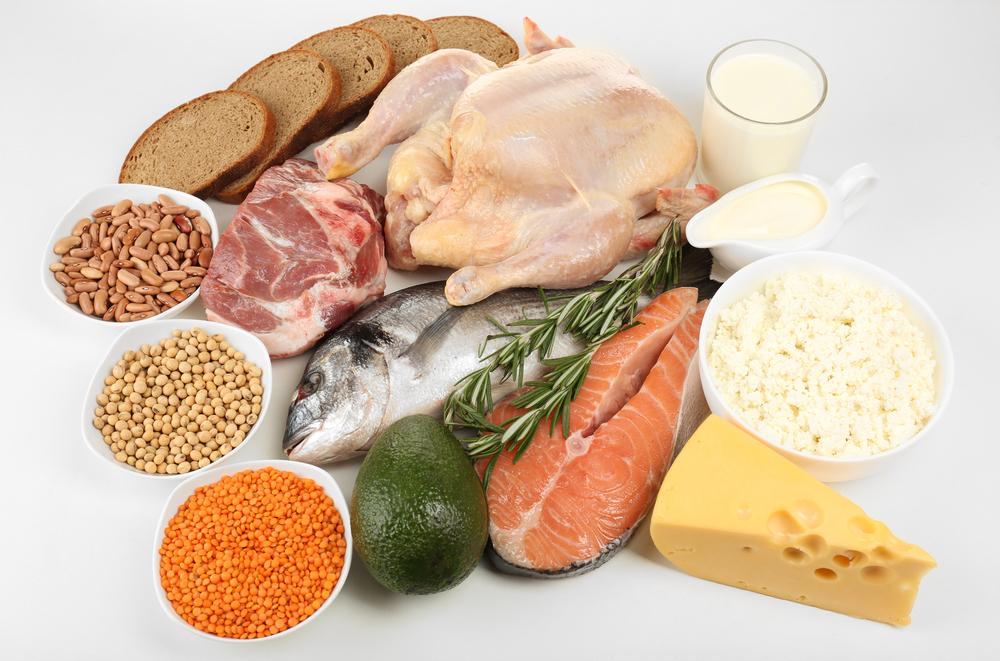
In a world that thrives on innovation and progress, the quest for optimal health and vitality remains timeless. Amidst the sea of dietary trends and nutritional advice, one nutritional powerhouse continues to stand the test of time: protein. Often heralded as the cornerstone of a balanced diet, protein plays an indispensable role in everything from muscle building to immune function. Yet, with the rising popularity of high-protein diets, how do we discern between myth and fact? “” invites you on a journey through the intricate landscape of protein, exploring its myriad forms, benefits, and best practices for incorporation into your lifestyle. Whether you’re a seasoned fitness enthusiast or simply looking to elevate your health, this guide will empower you to harness the full potential of protein, enabling you to make informed choices that resonate with your personal wellness goals. Join us as we unravel the complexities of protein, discovering how to transform this essential nutrient into a key ingredient for a healthier life.
Table of Contents
- Exploring the Benefits of High-Protein Diets for Health and Wellness
- Choosing the Right Sources of Protein: Animal vs. Plant-Based Options
- Crafting Balanced Meals: Tips for Incorporating Protein into Your Daily Diet
- Debunking Myths: Common Misconceptions About Protein Consumption
- The Way Forward
Exploring the Benefits of High-Protein Diets for Health and Wellness
High-protein diets offer a multitude of health benefits that can enhance both physical performance and overall well-being. By incorporating protein-rich foods, individuals can experience enhanced muscle development, which is especially beneficial for athletes and those seeking to improve their fitness levels. Additionally, higher protein intake can lead to increased satiety, reducing the likelihood of overeating and contributing to weight management. This dietary approach also plays a role in stabilizing blood sugar levels, helping to prevent the spikes and crashes often associated with carbohydrate-heavy meals.
Moreover, a protein-focused diet can provide a boost to metabolic activity. With a thermogenic effect, protein requires more energy to digest compared to fats and carbohydrates, thus promoting calorie burn. A variety of protein sources are available, making it easy to tailor a diet according to personal preferences and health needs. Consider including options such as:
- Lean meats – Chicken, turkey, and fish
- Plant-based proteins – Beans, lentils, and quinoa
- Dairy – Greek yogurt and cottage cheese
- Protein supplements – Powders and bars
| Protein Source | Protein Content (per serving) |
|---|---|
| Chicken Breast (100g) | 31g |
| Lentils (1 cup, cooked) | 18g |
| Greek Yogurt (200g) | 20g |
| Quinoa (1 cup, cooked) | 8g |
Choosing the Right Sources of Protein: Animal vs. Plant-Based Options
When it comes to selecting your protein sources, understanding the distinctions between animal and plant-based options can significantly impact your dietary choices. Animal proteins, found in foods like meat, poultry, fish, eggs, and dairy, are considered “complete” proteins. This means they contain all nine essential amino acids that your body cannot produce on its own. Some of the advantages of opting for animal-based proteins include high bioavailability and the presence of important nutrients such as iron, zinc, and vitamin B12 that are often less abundant in plant foods.
On the other hand, plant-based proteins have gained immense popularity, particularly among those looking to make healthier or more sustainable dietary choices. Foods like legumes, nuts, seeds, whole grains, and soy products are rich in protein, although they may lack one or more essential amino acids—making them “incomplete” proteins. However, combining different sources, such as rice and beans, can create a complete amino acid profile. Moreover, plant proteins often come with added benefits, such as fiber, antioxidants, and lower levels of saturated fats. Below, we’ve outlined some key examples of both categories:
| Animal-Based Protein Sources | Plant-Based Protein Sources |
|---|---|
| Chicken Breast | Lentils |
| Salmon | Chickpeas |
| Eggs | Quinoa |
| Greek Yogurt | Hemp Seeds |
Crafting Balanced Meals: Tips for Incorporating Protein into Your Daily Diet
Incorporating protein into your daily meals is crucial for achieving a balanced diet. Here are some practical tips to help you seamlessly include protein sources throughout your day:
- Start with Breakfast: Opt for protein-rich foods like Greek yogurt, eggs, or chia seed pudding to kickstart your metabolism.
- Smart Snacking: Choose snacks that pack a protein punch; think nuts, cheese sticks, or cottage cheese.
- Diverse Lunch Options: Build your lunch around lean meats, legumes, or quinoa to enhance protein intake.
- Swap Ingredients: Modify your favorite recipes by substituting lower-protein ingredients with higher-protein ones, like using lentils in soups or chickpeas in salads.
- Explore Plant-Based Proteins: Don’t forget about tofu, tempeh, and edamame; they’re excellent for adding variety and nutrition!
Protein doesn’t have to be complicated. Simplifying meal prep can make it easier to stick to high-protein meals. Consider organizing your meals into balanced components using this straightforward table:
| Meal | Protein Source | Serving Size |
|---|---|---|
| Breakfast | Scrambled Eggs | 2 large eggs |
| Lunch | Grilled Chicken Salad | 4 oz. chicken |
| Dinner | Quinoa & Black Bean Bowl | 1 cup cooked quinoa, ½ cup black beans |
| Snack | Greek Yogurt | 1 cup |
Debunking Myths: Common Misconceptions About Protein Consumption
Protein consumption is often shrouded in myths that can lead to confusion and misinformed dietary choices. One common misconception is that consuming excessive protein can harm your kidneys. While it’s true that individuals with pre-existing kidney conditions should monitor their protein intake, for healthy individuals, a higher protein diet is generally safe. Another myth is that protein should only be consumed post-workout for muscle gain. In reality, spreading protein intake throughout the day is essential for optimal muscle recovery and growth. Let’s shed light on these misunderstandings and explore the truth behind protein consumption.
Furthermore, some believe that all protein sources are created equal, dismissing plant-based options as inferior. However, there are many high-quality plant proteins that can rival animal sources. Quinoa, beans, and chickpeas not only provide significant protein content but also come packed with fiber, vitamins, and minerals. To illustrate the variety of protein sources available, consider the comparison below:
| Protein Source | Protein Content (g per 100g) |
|---|---|
| Chicken Breast | 31 |
| Tofu | 8 |
| Black Beans | 21 |
| Quinoa | 14 |
Ultimately, understanding the diverse sources and correct quantities of protein necessary for individual health goals can empower both athletes and casual dieters alike. Dispelling these myths allows for informed decisions that can enhance nutritional intake, promote muscle growth, and maintain overall health.
The Way Forward
As we conclude our exploration of high-protein diets, it’s clear that the power of protein is not merely a trend but a foundation for a healthier lifestyle. Whether you’re an athlete aiming to enhance performance, someone looking to manage weight, or simply seeking to bolster your overall well-being, integrating high-quality protein sources into your diet can make a significant difference. Remember, the journey to unlocking the full potential of protein goes beyond simply counting grams—it’s about understanding your body’s unique needs and making informed choices that align with your individual goals. So, as you embark on this culinary quest, equip yourself with knowledge, remain curious, and savor the myriad of delicious, protein-packed options available to you. Here’s to a vibrant and nourishing future, one bite at a time!