


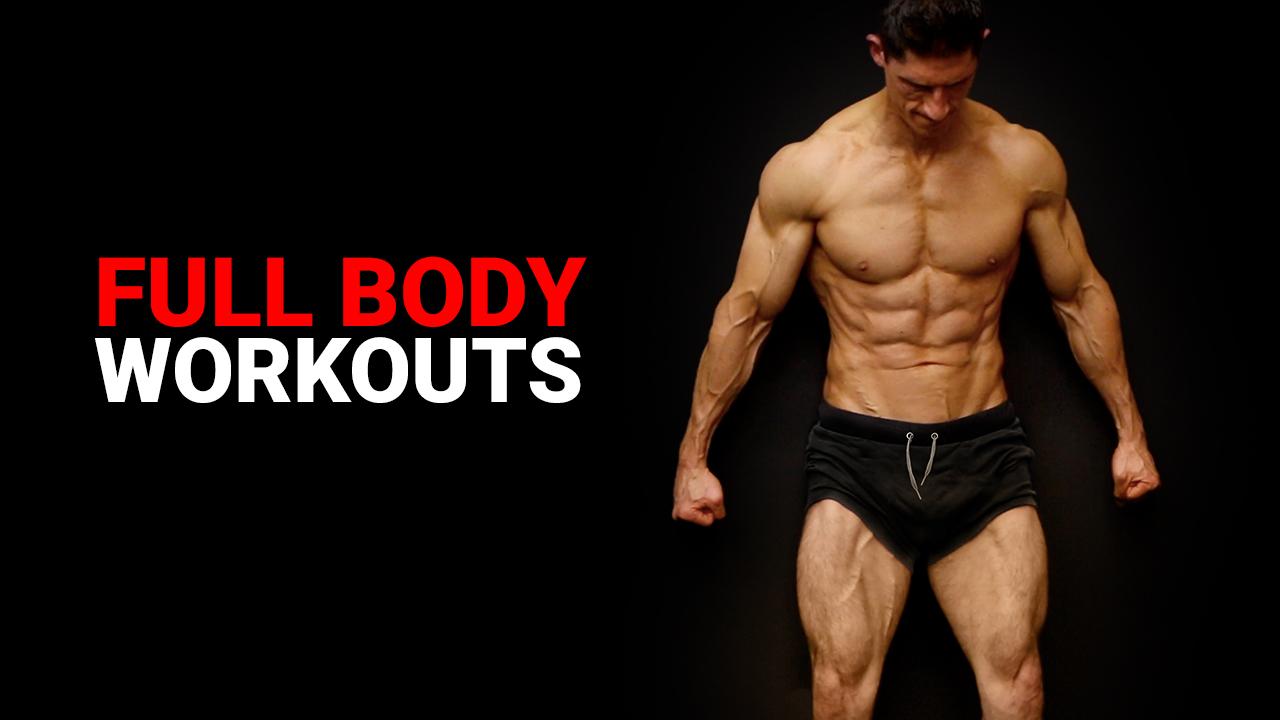
In a world where fitness trends come and go, the timeless art of weightlifting stands as a beacon of strength, resilience, and transformation. Enter the realm of total-body weightlifting—a dynamic practice that engages multiple muscle groups in concert, igniting a symphony of strength and endurance. This multifaceted approach not only sculpts the physique but also enhances overall performance, boosts metabolism, and fortifies the mind. Whether you’re a seasoned gym-goer or a curious newcomer, embarking on a total-body weightlifting journey can unlock a treasure trove of physical potential. In this article, we’ll delve into the mechanics of this powerful training method, explore its myriad benefits, and provide practical guidance to help you harness the power of weightlifting for a healthier, more vibrant you.
Table of Contents
- Unlocking Strength: Understanding the Benefits of Total-Body Weightlifting
- Essential Techniques: Mastering Form and Function for Full-Body Workouts
- Nutrition and Recovery: Fueling Your Body for Optimal Performance
- Creating a Balanced Routine: Incorporating Total-Body Weightlifting into Your Lifestyle
- Wrapping Up
Unlocking Strength: Understanding the Benefits of Total-Body Weightlifting
Engaging in total-body weightlifting is a remarkable way to harness the full potential of your body. This comprehensive approach doesn’t just target isolated muscle groups; rather, it synergizes multiple muscles working together, fostering a strong foundation for overall fitness. With movements that incorporate the upper and lower body, as well as core stabilization, you’ll experience an efficient workout that promotes not just muscle growth but enhanced functional strength essential for daily activities. Consider the following benefits:
- Improved Muscle Balance: By engaging various muscle groups together, you create a harmonious balance, reducing the risk of injury.
- Enhanced Metabolism: Total-body exercises often lead to a higher calorie burn during and after your workout.
- Time Efficiency: You can achieve a full workout in less time compared to traditional split routines.
Beyond physical transformation, total-body weightlifting cultivates mental resilience and confidence. As you overcome challenges during lifts and progressively increase weights, you build a mindset geared toward growth and determination. Additionally, participating in compound movements—like squats, deadlifts, and bench presses—helps improve coordination and flexibility. The following table summarizes key compound lifts and their primary benefits:
| Exercise | Muscle Groups Targeted | Key Benefit |
|---|---|---|
| Squats | Legs, Core | Builds lower body strength |
| Deadlifts | Back, Legs, Core | Improves overall strength and posture |
| Bench Press | Chest, Arms | Enhances upper body strength |
Essential Techniques: Mastering Form and Function for Full-Body Workouts
Mastering the right form in your total-body workouts is crucial for maximizing effectiveness and minimizing injury. Proper technique not only enhances your performance but also ensures you are engaging the intended muscle groups. Focus on key principles such as:
- Stability: Maintain a strong core to support your movements.
- Alignment: Keep your joints in line to prevent strain.
- Breath Control: Coordinate your breathing with movements for efficiency.
In addition, functionality is paramount. Full-body workouts are ideally structured to incorporate compound movements that work multiple muscle groups simultaneously. Consider integrating exercises like:
- Squats: Ideal for leg and core strength.
- Deadlifts: Excellent for posterior chain engagement.
- Push-ups: Fantastic for building upper body and core strength.
| Exercise | Muscle Groups Targeted |
|---|---|
| Squats | Legs, Glutes, Core |
| Deadlifts | Back, Legs, Core |
| Push-ups | Chest, Shoulders, Triceps |
Nutrition and Recovery: Fueling Your Body for Optimal Performance
Proper nutrition is the cornerstone of effective recovery and optimal performance. When you engage in total-body weightlifting, your muscles undergo significant stress, and how you fuel your body post-workout can influence your recovery speed and overall gains. Focus on incorporating lean proteins, complex carbohydrates, and healthy fats into your meals. Consider meals that include:
- Grilled chicken or turkey for protein
- Quinoa or brown rice for carbohydrates
- Avocado or nuts for healthy fats
Timing is critical when it comes to recovery nutrition. Aim to consume a balanced meal or snack within 30 to 60 minutes after exercising. This helps replenish glycogen stores and facilitates muscle repair. Below is a simple table illustrating recommended post-workout nutrition options:
| Food | Benefits |
|---|---|
| Greek Yogurt with Berries | Rich in protein and antioxidants |
| Protein Shake | Quick muscle recovery |
| Whole Grain Toast with Peanut Butter | Sustained energy and healthy fats |
Incorporating a variety of these nutrient-dense foods not only enhances recovery but also positions your body for peak performance in the next workout session. Staying well-hydrated is also crucial—water plays a vital role in the recovery process, so ensure you’re drinking adequately before, during, and after your workouts to maintain optimal hydration levels.
Creating a Balanced Routine: Incorporating Total-Body Weightlifting into Your Lifestyle
Integrating total-body weightlifting into your daily routine can transform not just your physique but also your overall quality of life. To successfully incorporate this dynamic workout style, consider scheduling your sessions during periods when you have the most energy. Aim for a balanced mix of strength training, cardiovascular workouts, and flexibility exercises. This holistic approach will ensure you’re not only building muscle but also enhancing endurance and mobility. Factors to include in your routine are:
- Consistency: Stick to a training schedule that allows you to progress steadily.
- Variety: Change up your exercises every few weeks to keep things interesting and challenge different muscle groups.
- Recovery: Prioritize rest days to allow your muscles to recover and grow stronger.
To help maintain that balance, organizing your weekly workout plan visually can provide clarity and motivation. Consider creating a simple table to outline your exercises, reps, and rest periods, ensuring each day targets different muscle groups. Here’s a basic example of how you can structure it:
| Day | Focus | Exercises |
|---|---|---|
| Monday | Upper Body | Bench Press, Pull-Ups, Shoulder Press |
| Wednesday | Lower Body | Squats, Deadlifts, Lunges |
| Friday | Total Body | Burpees, Kettlebell Swings, Plank Rows |
This strategic layout not only maximizes your gains but also encourages dedication to your fitness goals. Remember, a well-structured routine paired with thoughtful recovery and nutrition will yield the best results on your journey to transformation.
Wrapping Up
the journey of transforming your body through total-body weightlifting is not just about building muscle or shedding pounds; it’s about fostering a holistic sense of well-being and empowerment. As we’ve explored, engaging multiple muscle groups in a single workout cultivates strength, boosts metabolism, and enhances functional fitness for everyday life. Embracing this dynamic form of exercise invites both physical and mental resilience, reminding us that every lift is a step closer to our goals. So, whether you’re a seasoned athlete or a curious newcomer, remember that each session is an opportunity to discover your potential and redefine your relationship with fitness. As you close this chapter, may you feel inspired to continue your journey, patiently sculpting not just your body, but your confidence and self-discipline as well. Here’s to embracing the transformative power of total-body weightlifting, one rep at a time.