


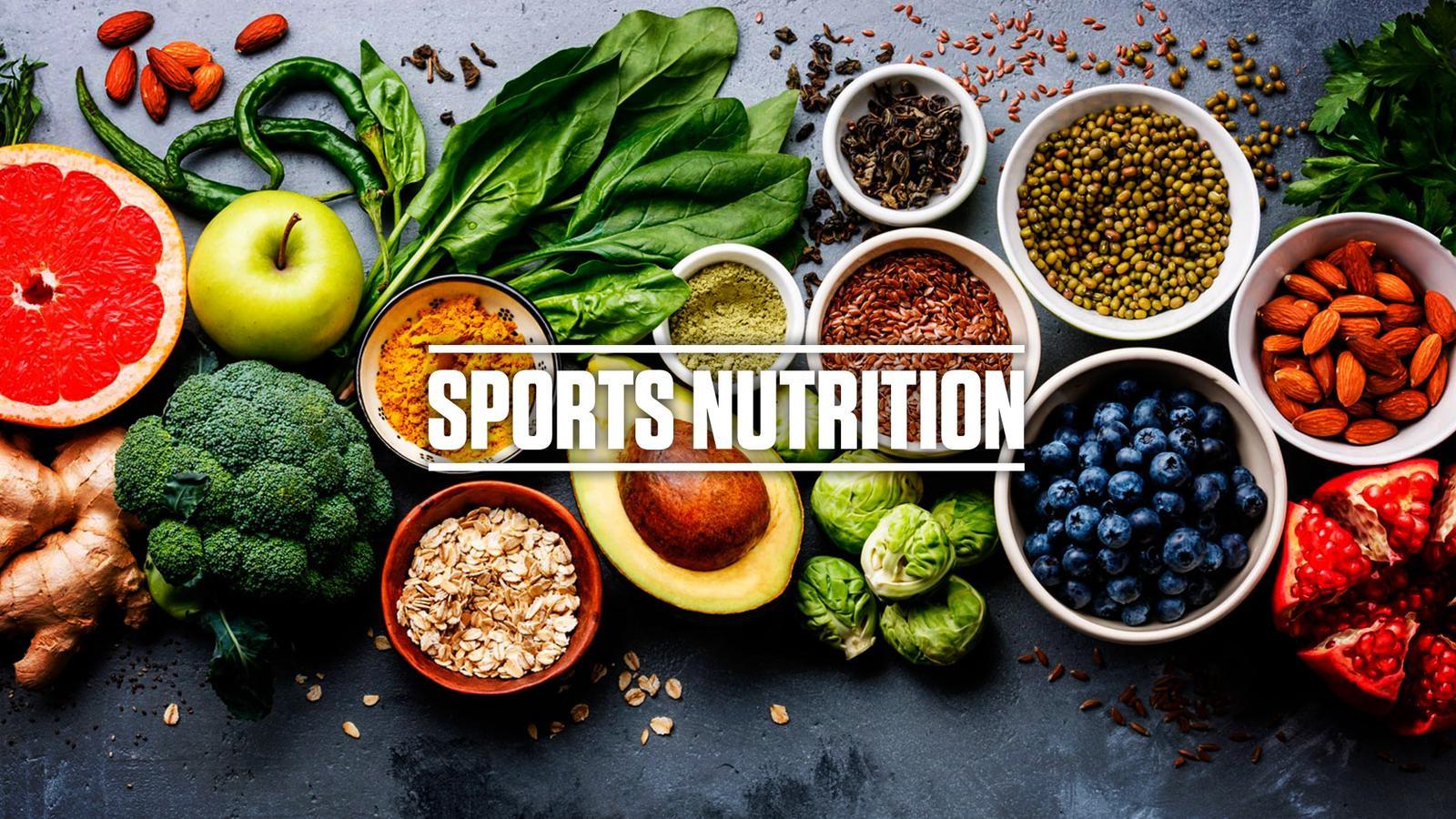
In the world of athletics, optimizing performance goes beyond rigorous training and mental fortitude; it hinges significantly on the nutritional choices athletes make. Whether you’re a seasoned competitor or an enthusiastic weekend warrior, understanding the key principles of sports nutrition can mean the difference between merely participating and truly excelling in your sport. The right diet not only fuels your workouts but also supports recovery, enhances endurance, and promotes overall well-being. In this essential guide, we’ll explore the fundamental components of sports nutrition, from macronutrients and hydration to timing your meals for maximum effect. Get ready to unlock the secrets that can take your performance to new heights!
Table of Contents
- Understanding Macronutrients for Optimal Energy Levels
- Hydration Strategies to Enhance Athletic Performance
- Timing Your Meals for Maximum Recovery and Strength Gains
- Supplement Recommendations for Improved Endurance and Focus
- Closing Remarks
Understanding Macronutrients for Optimal Energy Levels
Macronutrients are the backbone of any athlete’s diet, providing the energy necessary for peak performance and optimal recovery. Understanding the roles of carbohydrates, proteins, and fats is essential for developing a well-rounded nutrition strategy. Carbohydrates are the body’s primary energy source, fueling high-intensity workouts and aiding in recovery. Incorporating complex carbohydrates such as whole grains, fruits, and vegetables can ensure sustained energy levels. Proteins are crucial for muscle repair and growth; athletes should focus on high-quality sources like lean meats, fish, eggs, and legumes. Meanwhile, fats provide a concentrated energy source, especially during prolonged, low-intensity exercise. Healthy options include avocados, nuts, and olive oil, enriching diets with essential fatty acids while promoting overall health.
A well-structured meal plan incorporating these macronutrients can enhance not just performance but also overall well-being. Consider the following guidelines when planning meals:
- Carbohydrates: Aim for 45-65% of total daily calorie intake.
- Proteins: Target 15-25% for muscle maintenance and recovery.
- Fats: Keep between 20-35%, focusing on healthy options.
| Macronutrient | Function | Sources |
|---|---|---|
| Carbohydrates | Primary energy source | Whole grains, fruits, vegetables |
| Proteins | Muscle repair and growth | Lean meats, fish, legumes |
| Fats | Energy storage and hormone production | Nuts, seeds, olive oil |
Hydration Strategies to Enhance Athletic Performance
Staying properly hydrated is crucial for athletes seeking to achieve optimal performance. Dehydration can lead to fatigue, decreased coordination, and impaired cognitive function, making it essential to incorporate effective hydration strategies into your training regimen. Consider these methods to maintain fluid balance and support peak performance:
- Calculate Fluid Needs: Assess your individual hydration requirements based on factors like body weight, intensity of exercise, and environmental conditions.
- Pre-Exercise Hydration: Drink 16-20 ounces of water or a sports drink at least two hours before your workout to ensure optimal hydration levels.
- During Exercise: Consume 7-10 ounces of fluid every 10-20 minutes during activity, especially in long-duration or intense sessions.
- Post-Exercise Recovery: Replenish lost fluids promptly by drinking 16-24 ounces for every pound lost during exercise.
In addition to standard water intake, utilizing electrolyte-infused drinks can significantly aid in maintaining hydration, especially during prolonged physical exertion. These beverages replenish essential minerals lost through sweat, such as sodium and potassium. Consider this simple comparison of hydration options:
| Option | Key Benefits |
|---|---|
| Water | Essential for hydration; no calories. |
| Sports Drinks | Contains electrolytes; provides carbs for energy. |
| Coconut Water | Natural electrolytes; lower in sugar. |
| Homemade Electrolyte Drink | Customizable ingredients; avoids additives. |
Timing Your Meals for Maximum Recovery and Strength Gains
Timing your meals effectively can significantly enhance your recovery and contribute to greater strength gains. To maximize your performance and muscle growth, focus on consuming the right nutrients at the ideal times. A balanced intake of carbohydrates and protein before and after workouts plays a crucial role. Pre-workout meals should be eaten about 1-3 hours beforehand to fuel your training, while post-workout meals should ideally be consumed within 30-60 minutes after exercising to optimize recovery.
Consider incorporating the following strategies into your meal timing routine:
- Pre-Workout Nutrition: Aim for a meal rich in complex carbohydrates and moderate protein. This fuels your energy levels.
- Post-Workout Window: Focus on a combination of fast-digesting proteins like whey and high-glycemic carbs such as fruits or even recovery shakes.
- Hydration: Don’t overlook the importance of hydration before, during, and after workouts to maintain optimal performance and recovery.
| Meal Timing | Duration Before/After | Focus Nutrients |
|---|---|---|
| Pre-Workout | 1-3 hours before | Complex carbs & Protein |
| Post-Workout | Within 30-60 minutes | Fast-digesting Protein & Carbs |
Supplement Recommendations for Improved Endurance and Focus
To enhance endurance and maintain focus during prolonged physical activities, incorporating specific supplements into your routine can prove beneficial. Many athletes and fitness enthusiasts have reported notable improvements in their performance by using the following supplements:
- Caffeine: Known for its stimulatory effects, caffeine can significantly enhance focus and increase energy levels, leading to improved stamina.
- Beta-Alanine: This amino acid helps to buffer acid in muscles, reducing fatigue, and allowing for longer training sessions.
- Beetroot Powder: Rich in nitrates, beetroot powder can enhance blood flow and oxygen delivery, which aids in endurance performance.
- Electrolytes: Essential for muscle function, a balanced electrolyte supplement prevents cramping and dehydration during extended workouts.
It’s also crucial to consider various amino acids and herbal extracts that can support endurance and cognitive function. Below is a concise table showcasing additional supplements that can further aid performance:
| Supplement | Benefits |
|---|---|
| Ginseng | Improves stamina and reduces fatigue. |
| Rhodiola Rosea | Enhances mental clarity and reduces stress. |
| L-Carnitine | Aids fat metabolism and boosts energy levels. |
| Creatine | Increases power output and enhances recovery. |
Closing Remarks
Conclusion
In the quest for peak performance, understanding sports nutrition is not just beneficial—it’s essential. Whether you’re an elite athlete or a dedicated weekend warrior, fueling your body with the right nutrients can make all the difference in your training and competition outcomes. By prioritizing a balanced diet rich in carbohydrates, proteins, healthy fats, vitamins, and minerals, you set yourself up for success.
Remember, hydration plays a critical role, too, as even mild dehydration can impair performance. Tailor your nutrition strategy to your unique needs, considering factors such as your sport, training intensity, and personal preferences. Don’t hesitate to seek guidance from a registered dietitian or nutritionist if you need help crafting your plan.
As you incorporate these principles into your routine, take note of how your body responds. Listen to your instincts and adjust as needed. With a solid understanding of the fundamentals of sports nutrition, you’re well on your way to unlocking your full potential and achieving your goals.
Here’s to fueling your passion for sport with the nutrition knowledge that will elevate your game and keep you at the top of your performance. Your journey to peak performance begins with what you put on your plate—so make each bite count!