


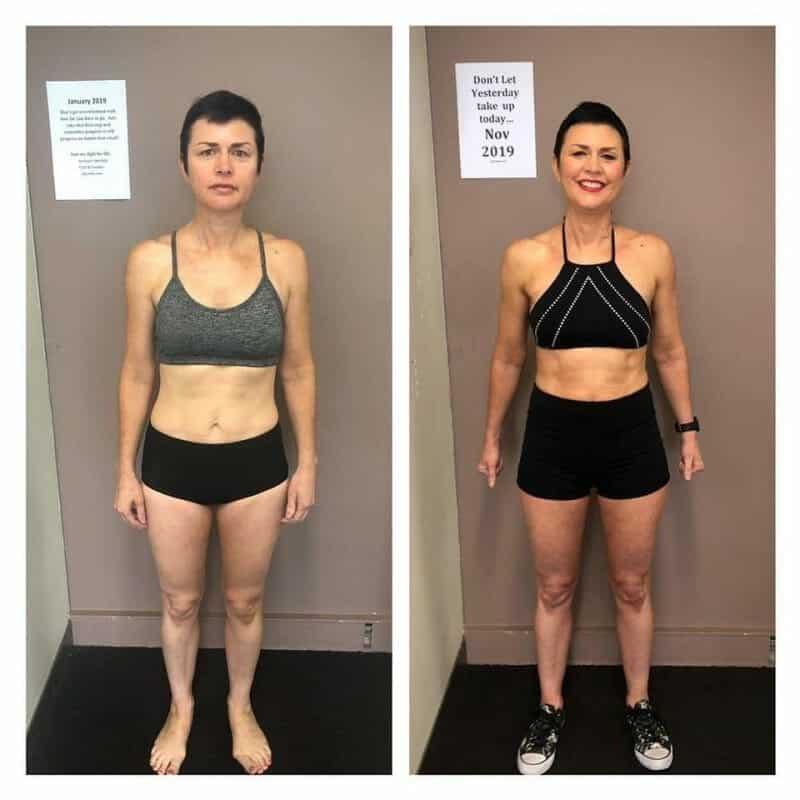
In a world where the pursuit of a healthier body often collides with the desire for immediate results, the debate between fast weight loss and healthy weight loss takes center stage. For many, the allure of shedding pounds quickly can seem irresistible, promising not only a transformation in appearance but also a boost in confidence. Yet, beneath the surface of tantalizing quick fixes and trendy diets lies a complex truth that begs to be explored. As we unveil the realities behind these two approaches to weight loss, we invite you to navigate the intricate landscape of health and well-being. Is speed truly the answer, or is sustainability the key to lasting change? Join us as we dissect the myths, examine the science, and ultimately aim to uncover what it truly means to achieve a healthy weight in a fast-paced world.
Table of Contents
- Understanding the Differences Between Fast and Healthy Weight Loss
- The Science Behind Rapid Weight Loss: Myths and Realities
- Sustainable Strategies for Achieving Long-Term Weight Management
- Navigating Popular Diets: What Works and What Doesn’t
- To Wrap It Up
Understanding the Differences Between Fast and Healthy Weight Loss
When discussing weight loss, the terms “fast” and “healthy” often evoke contrasting images. Fast weight loss typically involves extreme diets, heavy exercise regimens, or weight-loss pills, all promising quick results. These methods may help shed pounds quickly, but they can also lead to an array of health issues, such as nutrient deficiencies, fatigue, and even metabolic slowdown. The temptation for immediate results often overshadows the long-term consequences, leading individuals to regain weight, sometimes even more than they initially lost, once normal eating patterns resume.
On the other hand, healthy weight loss focuses on sustainable lifestyle changes that promote gradual and consistent progress. This approach emphasizes a balanced diet rich in nutrients, regular physical activity, and mental well-being. Key benefits of adopting a healthy weight loss strategy include:
- Improved overall health and energy levels
- Better metabolic function
- Reduced risk of chronic diseases
- Enhanced emotional well-being and body image
Ultimately, the goal should be to create a healthier relationship with food and exercise, leading to not just weight loss, but a permanent lifestyle transformation.
The Science Behind Rapid Weight Loss: Myths and Realities
The allure of quick weight loss often leads many to believe in the effectiveness of extreme diets and fad programs. However, scientific evidence consistently debunks the common myths surrounding rapid weight loss techniques. Many individuals mistakenly equate losing weight quickly with effective strategies. In reality, rapid weight loss often results in the loss of muscle mass and water weight rather than fat. This can slow down metabolism and lead to yo-yo dieting, where the lost weight is quickly regained once normal eating patterns resume. Common myths include:
- All calories are equal: Different foods interact with your body in various ways.
- Fast weight loss is sustainable: Most methods are not maintainable in the long run.
- Supplements are a miracle solution: Few supplements offer real benefits and most are ineffective.
On the other hand, the truth is that healthy weight loss typically involves gradual changes that prioritize long-term lifestyle adjustments. According to studies, the safest and most effective approach to weight loss is aiming to lose 1-2 pounds per week. This allows the body to adjust and promotes fat loss rather than muscle loss. The table below highlights key differences between rapid and healthy weight loss strategies:
| Rapid Weight Loss | Healthy Weight Loss |
|---|---|
| Typically results in muscle loss | Promotes fat loss while preserving muscle |
| Usually leads to quick regain of weight | Encourages sustainable lifestyle changes |
| Often involves very low-calorie diets | Involves a balanced diet with adequate calories |
Sustainable Strategies for Achieving Long-Term Weight Management
To embrace weight management that lasts, it is essential to create a holistic approach that harmonizes diet, activity, and mental well-being. This means prioritizing sustainability over speed. Incorporating consistent habits into your lifestyle can yield results that persist beyond temporary fixes. Focus on nourishing your body with whole foods and balanced macronutrients. An example of this could be:
| Type of Food | Examples |
|---|---|
| Proteins | Chicken, legumes, tofu |
| Carbohydrates | Quinoa, sweet potatoes, brown rice |
| Fats | Avocados, nuts, olive oil |
In addition to a balanced diet, fostering regular physical activity is crucial. It’s not only about intense workout sessions; rather, incorporating movement throughout your day can significantly enhance your wellbeing. Consider these methods to stay active:
- Taking short walks during breaks
- Utilizing stairs instead of elevators
- Engaging in fun, physical activities like dancing or hiking
Lastly, never underestimate the power of mindset. Cultivating a positive relationship with food and body image can dramatically influence your success. Practices like mindfulness and journaling help maintain motivation and reduce stress, creating a more favorable environment for long-term weight management.
Navigating Popular Diets: What Works and What Doesn’t
In the world of diet trends, it’s easy to get lost in the noise of promises and quick fixes. Two of the most prevalent approaches today are fast weight loss diets and healthy weight loss strategies. Fast weight loss methods often promise quick results, usually found in fad diets like keto or juice cleanses. However, while these diets may initially lead to rapid weight loss, they often fail to provide sustainable results. This is largely due to their restrictive nature, which can lead to nutritional deficiencies and yo-yo dieting behaviors. Furthermore, extreme calorie deficits can result in muscle loss, negatively impacting metabolism and overall health.
On the other hand, healthy weight loss techniques emphasize gradual, manageable changes that enhance long-term well-being. These approaches prioritize a balanced diet enriched with whole foods, alongside regular physical activity. Here are some key features of healthy weight loss:
- Balanced nutrition: Focuses on whole grains, lean proteins, fruits, and vegetables.
- Sustainable habits: Encourages gradual changes to lifestyle, promoting lasting results.
- Mindful eating: Emphasizes being aware of food choices and listening to hunger cues.
Ultimately, whether one opts for a rapid approach or a more holistic strategy, understanding the implications is crucial. The table below highlights some popular diets and their effectiveness:
| Diet Type | Speed of Weight Loss | Sustainability |
|---|---|---|
| Keto | Fast | Low |
| Paleo | Moderate | Medium |
| Mediterranean | Slow | High |
| Intermittent Fasting | Moderate | Medium |
To Wrap It Up
the pursuit of weight loss is a journey unique to each individual, weaving together the threads of personal goals, health considerations, and lifestyle choices. While the allure of rapid results can be tempting, it often comes with hidden costs that compromise long-term well-being. On the other hand, embracing a healthy, sustainable approach may take time, but it lays the foundation for a vibrant future.
As we’ve unveiled the truths surrounding fast versus healthy weight loss, it’s clear that the best path forward is one rooted in balance, patience, and self-compassion. the scale is just one measure of wellness; true success is reflected in how you feel in your body and the energy you bring to your daily life. So, as you navigate your own weight loss journey, remember: it’s not just about the destination, but the transformation you undergo along the way. Choose wisely, stay informed, and prioritize a journey that nourishes both your body and soul.