


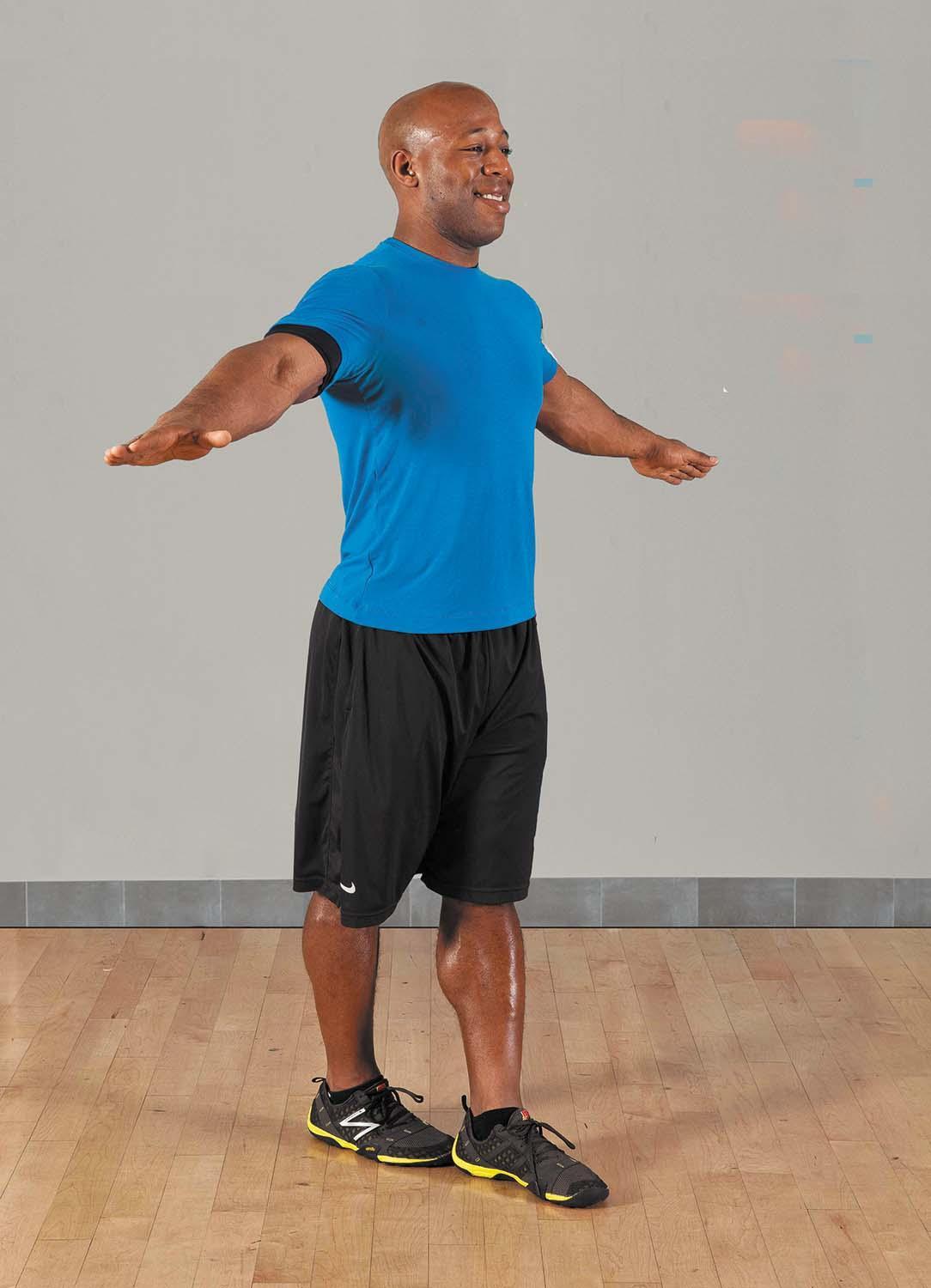
Balance training is a critical component of fitness that often gets overshadowed by traditional strength and cardio workouts. However, mastering the art of balance not only enhances athletic performance but also improves everyday functionality and reduces the risk of injuries. While physical practice is vital, the truth is that optimal nutrition plays an equally important role in supporting your balance training endeavors. Whether you’re a seasoned athlete or a beginner looking to improve your stability, understanding how to fuel your body with the right nutrients can elevate your training and recovery. In this article, we’ll explore essential nutrition tips designed to complement your balance training routine, helping you achieve better results, faster. From macronutrient distribution to hydration strategies, these insights will empower you to enhance your performance and overall well-being. Let’s dive in!
Table of Contents
- Understanding the Role of Macronutrients in Balance Training Success
- Key Vitamins and Minerals to Enhance Stability and Coordination
- Hydration Strategies for Optimal Performance During Balance Exercises
- Pre- and Post-Workout Nutrition for Effective Recovery and Progression
- Wrapping Up
Understanding the Role of Macronutrients in Balance Training Success
Macronutrients play a pivotal role in enhancing your performance during balance training. Each macronutrient contributes uniquely to your overall energy levels, recovery, and muscle health. Carbohydrates serve as the primary energy source, ensuring your body has the fuel needed for intense workouts. Focus on whole grains, fruits, and vegetables to provide sustained energy. Meanwhile, proteins are essential for muscle repair and growth, making them crucial post-exercise. Lean meats, legumes, and dairy can help replenish and rebuild your muscular tissues, allowing for improved strength and stability during balance training. Lastly, fats are important for hormone regulation and long-term energy, so incorporating sources like nuts, seeds, and avocados can promote overall balance and well-being.
To optimize your balance training success, it’s important to weave these macronutrients together harmoniously. Creating a balanced meal plan is essential, providing your body with the necessary components to perform at its peak. Consider a sample meal composition to guide your food choices:
| Meal Component | Macronutrient Type | Suggested Foods |
|---|---|---|
| Breakfast | Carbohydrates & Proteins | Oatmeal with almond butter and banana |
| Lunch | Proteins & Fats | Grilled chicken salad with avocado |
| Dinner | Carbohydrates & Fats | Quinoa with roasted vegetables and olive oil |
By prioritizing a well-rounded approach to macronutrient intake, you lay the groundwork for improved balance and stability in your training regimen. Monitoring your macronutrient distribution will not only enhance your physical abilities but also contribute to your overall health, setting you up for long-term success.
Key Vitamins and Minerals to Enhance Stability and Coordination
Proper nutrition plays a vital role in enhancing stability and coordination during balance training. Certain vitamins and minerals not only support muscle function but also contribute to your overall nerve health, which is crucial for maintaining balance. Vitamin D, for instance, assists in calcium absorption, promoting strong bones and muscular function. Vitamin B6 and Vitamin B12 are important for nerve health, facilitating communication between the brain and muscles. Additionally, minerals like magnesium and calcium help ensure proper muscle contractions and relaxation, significantly impacting your stability during physical activities.
Integrating foods rich in these essential nutrients into your diet can greatly improve your training outcomes. Here’s a concise list of key vitamins and minerals along with food sources you can include:
| Nutrient | Food Sources |
|---|---|
| Vitamin D | Fatty fish, fortified milk, egg yolks |
| Vitamin B6 | Poultry, fish, potatoes, chickpeas |
| Vitamin B12 | Meat, dairy products, fortified cereals |
| Magnesium | Nuts, seeds, whole grains, leafy greens |
| Calcium | Dairy products, leafy greens, tofu |
By consciously selecting these nutrients, you can improve your body’s ability to maintain balance, leading to more effective and safer training sessions. Remember, a well-rounded diet will not only fuel your workouts but also support your body in enhancing its stability and coordination capabilities.
Hydration Strategies for Optimal Performance During Balance Exercises
To achieve peak performance during balance exercises, it’s crucial to maintain optimal hydration levels. Water plays a vital role in muscle function, joint lubrication, and overall physical endurance. Ensure you drink water consistently throughout the day, particularly before, during, and after your training sessions. Here are some effective hydration strategies to consider:
- Pre-Workout Hydration: Aim to consume around 16-20 ounces of water 2 hours before your workout.
- During Exercise: For workouts lasting longer than 60 minutes, sip on electrolyte-rich beverages to replenish lost minerals.
- Post-Exercise Recovery: Drink at least 20-24 ounces of water for every pound lost during your workout to restore hydration levels.
Monitoring your hydration can also be done through simple indicators. For a quick assessment, be aware of your urine color; light yellow means you are well-hydrated, while dark yellow suggests dehydration. Additionally, consider keeping a hydration log after each session to establish patterns. Here’s a simple table to help you track your hydration:
| Time | Type of Beverage | Amount Consumed |
|---|---|---|
| Before Workout | Water | 16-20 oz |
| During Workout | Electrolyte Drink | 8-10 oz every 20 min |
| After Workout | Water | 20-24 oz per pound lost |
Pre- and Post-Workout Nutrition for Effective Recovery and Progression
To maximize your training outcomes and ensure effective recovery, it’s essential to focus on your nutrition both before and after workouts. Pre-workout nutrition sets the stage for your training performance, so aim for a meal or snack that combines complex carbohydrates with some protein. Foods like oatmeal with fruits, whole grain toast with nut butter, or a smoothie with spinach and berries can provide the necessary energy for your session. Consider these key components:
- Timing: Eat 30 minutes to 2 hours before training.
- Hydration: Drink water to stay hydrated.
- Portion Control: Don’t overeat; you want to feel light yet energized.
Post-workout nutrition is just as crucial for recovery and muscle repair. Aim to consume a meal rich in lean proteins and simple carbohydrates within 30 to 60 minutes after your workout. This helps replenish glycogen stores and kickstart muscle recovery. Foods like grilled chicken with brown rice, a protein shake with a banana, or Greek yogurt topped with honey are excellent choices. Keep in mind these guidelines:
| Nutrition Focus | Recommended Foods |
|---|---|
| Protein Sources | Chicken, Fish, Tofu, Eggs |
| Carbohydrate Sources | Sweet Potatoes, Quinoa, Fruits |
| Hydration | Water, Electrolyte Drinks |
Wrapping Up
achieving a harmonious balance between nutrition and training is fundamental for anyone looking to enhance their balance skills effectively. By prioritizing a well-rounded diet rich in essential vitamins, minerals, and macronutrients, you can support your body’s needs during training and recovery. Remember that hydration is equally important; staying properly hydrated will not only optimize your performance but also aid in your overall health.
Incorporating nutrient-dense foods, focusing on timing your meals around your workouts, and listening to your body’s signals will set you on the right path to improving your balance abilities. Keep in mind that each individual’s nutritional needs may vary, so it’s always a good idea to consult with a healthcare professional or a registered dietitian to create a personalized plan that suits you best.
As you embark on your balance training journey, remember that consistency is key. Pair your dedication to practice with a mindful approach to nutrition, and you’ll be well on your way to achieving your fitness goals. Stay balanced, stay healthy!