


In the quest for enhanced athletic performance and improved fitness outcomes, many have turned to a variety of supplements, but few have garnered as much attention as creatine. This naturally occurring compound, found predominantly in muscle cells, has been scientifically validated for its role in boosting strength, increasing muscle mass, and enhancing recovery. Athletes, bodybuilders, and fitness enthusiasts alike are increasingly incorporating creatine into their nutrition regimens to unlock its myriad benefits. But what exactly makes creatine so effective, and how can it be best utilized to achieve peak performance? In this article, we’ll delve into the science behind creatine, explore its advantages, debunk common myths, and provide practical tips on how to integrate this powerhouse supplement into your diet. Whether you’re looking to elevate your training routine or maximize your results, understanding creatine nutrition could be the key to achieving your goals.
Table of Contents
- Understanding Creatine: A Breakdown of Its Function and Sources
- Enhancing Athletic Performance Through Creatine Supplementation
- Optimal Dosage and Timing for Maximum Effectiveness
- Potential Side Effects and Myths About Creatine Use
- In Conclusion
Understanding Creatine: A Breakdown of Its Function and Sources
Creatine plays a crucial role in energy production, particularly in muscle tissue. It works primarily by replenishing adenosine triphosphate (ATP), the energy currency of our cells. When performing high-intensity activities such as sprinting or weightlifting, the demand for quick energy spikes dramatically. In these moments, creatine helps facilitate rapid ATP regeneration, allowing for enhanced performance and endurance. This process is essential for athletes and fitness enthusiasts aiming to push their limits and achieve peak performance. Furthermore, creatine has been shown to support muscle recovery and reduce fatigue, enabling individuals to train harder and more frequently.
There are a variety of sources for creatine that cater to different dietary preferences:
- Animal Sources: Creatine is predominantly found in meats and fish, with options such as beef, pork, and salmon containing significant amounts.
- Supplementation: For those seeking higher doses or convenience, creatine supplements (like creatine monohydrate) are widely available and effective.
- Plant Sources: While plant-based sources contain minimal creatine, some enthusiasts choose to combine their diet with supplements for optimal intake.
| Food Source | Creatine Content (per 100g) |
|---|---|
| Beef | 2.4g |
| Pork | 1.6g |
| Salmon | 4.5g |
| Chicken | 0.9g |
Enhancing Athletic Performance Through Creatine Supplementation
In the ever-evolving world of sports nutrition, creatine supplementation has emerged as a powerhouse for athletes looking to maximize their performance. Creatine, a naturally occurring compound found in muscle cells, plays a pivotal role in energy production, particularly during high-intensity exercises. By increasing the creatine phosphate stores in muscles, athletes can enhance their ability to regenerate ATP (adenosine triphosphate), the primary energy carrier in cells. This results in improved strength, quicker recovery times, and greater overall endurance during workouts and competitions.
Moreover, the advantages of creatine go beyond mere performance enhancement; it also contributes to muscle growth and cognitive function. Research indicates that creatine may help in:
- Boosting Muscle Mass: Supports increased lean muscle growth through enhanced protein synthesis.
- Improving Recovery: Reduces muscle cell damage and inflammation post-exercise.
- Enhancing Cognitive Performance: May improve focus and decision-making during high-pressure situations.
With proper dosage and timing, creatine becomes an invaluable tool in an athlete’s regimen, allowing for sustained peak performance and longevity in their sporting pursuits.
Optimal Dosage and Timing for Maximum Effectiveness
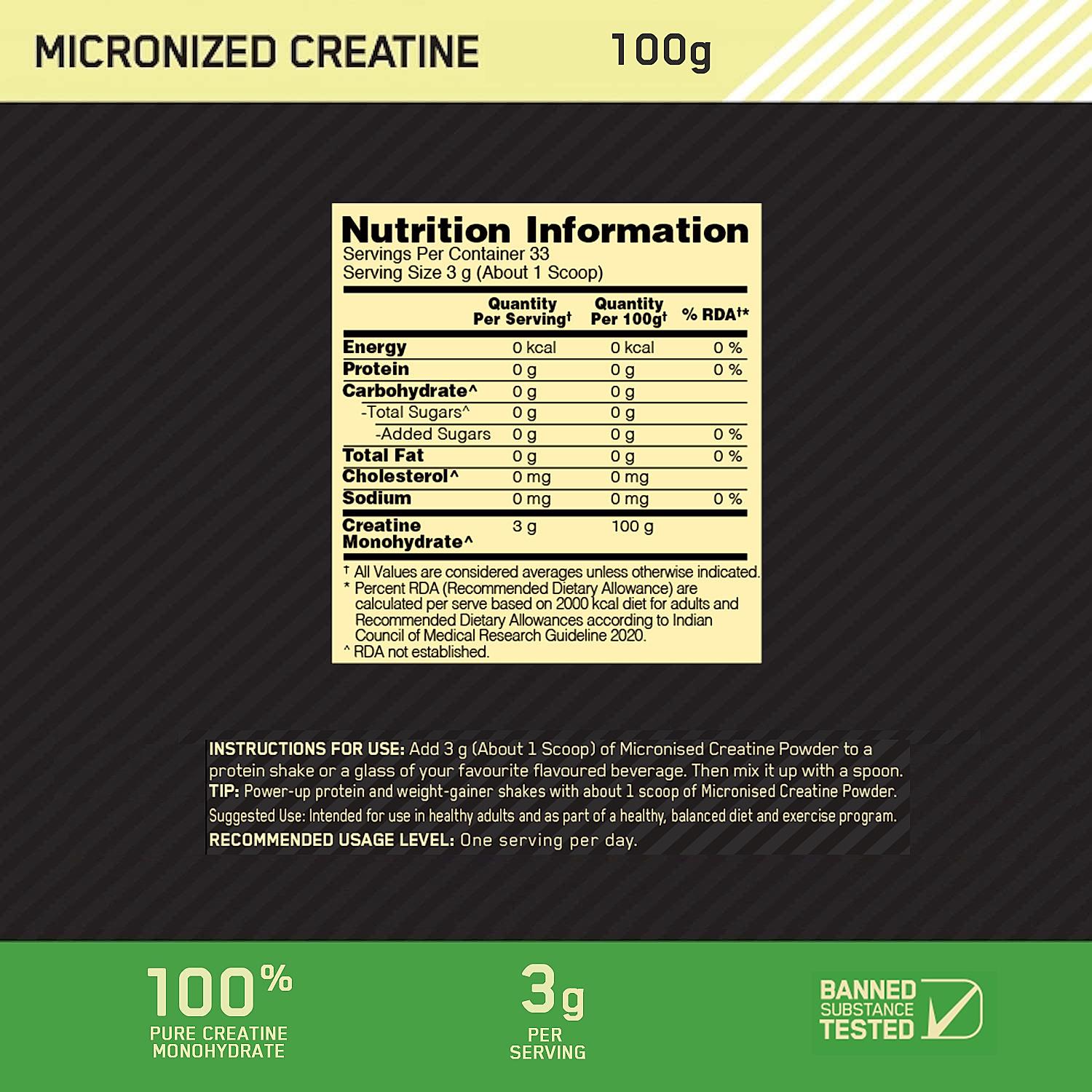
To harness the full potential of creatine supplementation, understanding its optimal dosage and timing is crucial. Research suggests that a daily dosage of 3 to 5 grams is effective for most individuals. This level fosters the accumulation of creatine in the muscles, supporting increased strength and improved athletic performance over time. It’s beneficial to have a consistent routine, as regular intake ensures that the muscles remain saturated with creatine. Some athletes may opt for a loading phase of 20 grams per day for 5-7 days, divided into smaller doses, before transitioning to the maintenance dose. This method can facilitate quicker saturation, allowing users to experience the benefits sooner.
Timing your creatine intake can also enhance its effectiveness. Consuming creatine shortly before or after workouts may optimize its impact on performance and recovery. This is particularly advantageous due to the increased blood flow to the muscles during exercise, which can enhance the uptake of creatine. Consider the following tips:
- Pre-workout: Taking creatine 30 minutes prior to training can help boost your energy levels.
- Post-workout: Pairing creatine with a carbohydrate-rich meal post-exercise may promote better absorption.
- With protein: Combining creatine with a protein shake can further support muscle recovery and growth.
Potential Side Effects and Myths About Creatine Use
While creatine is widely recognized for its performance-enhancing benefits, it’s essential to address the potential side effects that some users may encounter. Though generally considered safe for healthy individuals, some may experience mild discomforts, including:
- Gastrointestinal issues: Some users report stomach cramps, bloating, or diarrhea, particularly when dosing is too high.
- Weight gain: Initial weight gain often occurs due to water retention in muscle cells, which can be misinterpreted as fat gain.
- Muscle cramping: There’s anecdotal evidence that some individuals might experience muscle cramping, although clinical studies typically do not support this claim.
Alongside concerns about side effects, numerous myths about creatine continue to circulate, clouding its true benefits. Some of the most common misconceptions include:
- Creatine is a steroid: Creatine is a naturally occurring compound, not a steroid, and does not have the same effects as anabolic steroids.
- Creatine damages kidneys: For healthy individuals, studies show that creatine does not pose a risk to kidney function.
- Only bodybuilders can benefit from creatine: Athletes in various sports, including endurance and team sports, may also experience enhanced performance through increased energy availability.
In Conclusion
understanding and harnessing the benefits of creatine nutrition can be a game changer for anyone looking to elevate their performance, whether in the gym, on the field, or even in everyday activities. By improving strength, enhancing recovery, and supporting cognitive function, creatine offers a multifaceted approach to achieving peak performance.
As with any supplement, it’s essential to approach creatine thoughtfully: consider your health status, consult with a healthcare professional, and ensure it’s suitable for your individual needs and goals. When used responsibly and in conjunction with a balanced diet and training regime, creatine can unlock potential you may not have realized you had.
Ultimately, integrating creatine into your nutrition plan is more than just enhancing muscle mass; it’s about optimizing your overall fitness journey. As you embark on this path to peak performance, remember they key is consistency, informed choices, and listening to your body’s unique responses. Here’s to reaching new heights in your athletic endeavors and beyond!