


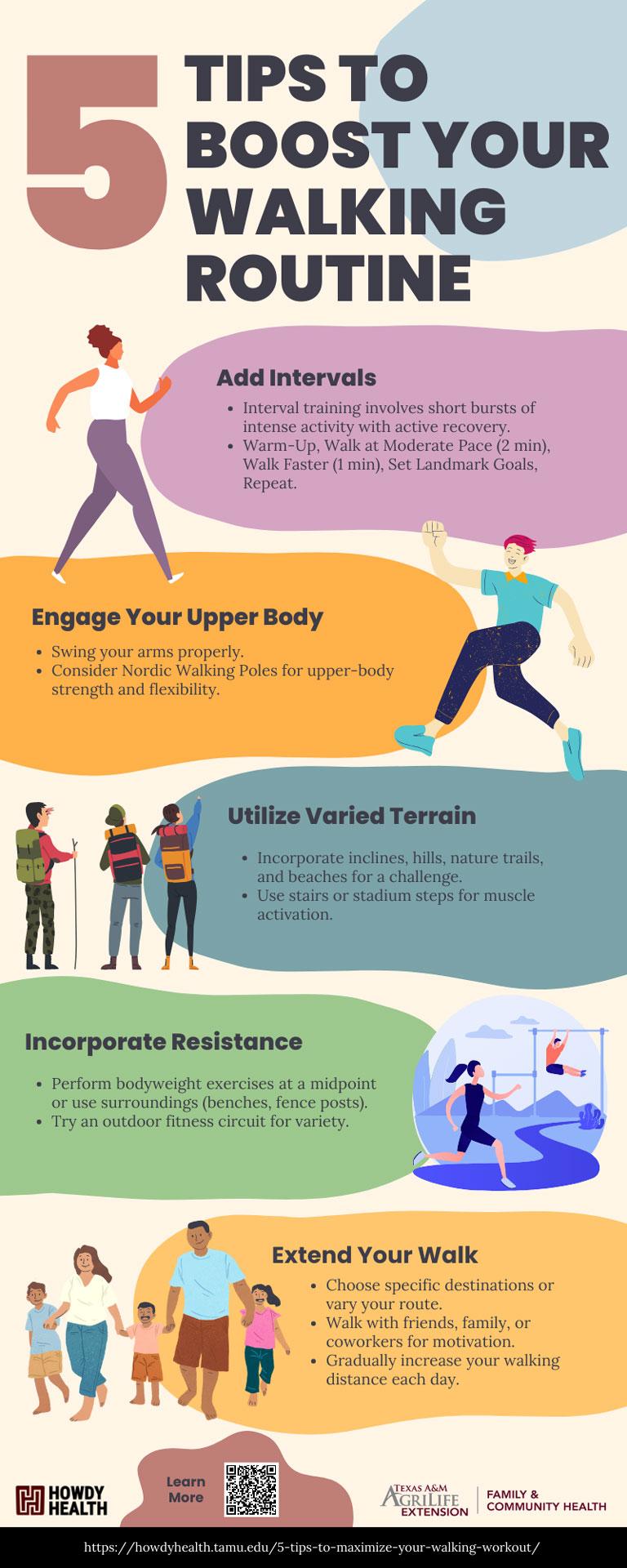
Achieving fitness goals is a journey that requires dedication, effective strategies, and a well-structured approach. Whether you are a seasoned athlete or a beginner embarking on a new fitness regimen, understanding the principles of effective workouts is essential for success. This article provides a comprehensive overview of key workout tips designed to enhance performance, improve consistency, and ultimately help individuals reach their personal fitness objectives. By exploring various strategies tailored to different fitness levels and goals, readers will gain valuable insights into optimizing their workout routines, preventing injuries, and fostering long-term health benefits.
Table of Contents
- Setting Realistic Fitness Goals
- Incorporating Variety in Your Workout Routine
- Importance of Nutrition in Fitness Success
- Tracking Progress and Staying Motivated
- Closing Remarks
Setting Realistic Fitness Goals
To pave the way for success in your fitness journey, it’s crucial to establish objectives that are not only ambitious but also attainable. Start by assessing your current fitness level, taking into account factors like age, experience, and health conditions. Break down your long-term fitness aspirations into smaller, actionable steps to create a clear roadmap. Here are some key considerations:
- Specific: Define what you want to achieve, such as running a 5k or building muscle.
- Measurable: Use metrics to track your progress, such as weight lost or workout duration.
- Achievable: Ensure your goals are within reach based on your capabilities.
- Relevant: Align your fitness goals with your personal interests and lifestyle.
- Time-bound: Set deadlines to maintain motivation and accountability.
In addition, creating a supportive environment can greatly influence your commitment to these goals. Surround yourself with positive influences and consider sharing your aspirations with friends or family for encouragement. Following a structured plan can provide clarity and direction. Below is a simple table illustrating sample goals and timelines:
| Goal | Timeline | Action Steps |
|---|---|---|
| Run 5K | 3 Months | 3 runs/week; increase distance |
| Lose 10 lbs | 2 Months | Healthy meals; 4 workouts/week |
| Increase bench press by 20 lbs | 1 Month | Weight training 3 times/week |
Incorporating Variety in Your Workout Routine
Engaging in a workout routine that offers a range of exercises not only keeps your regimen fresh but also enhances your overall fitness. Incorporating different types of workouts can help target various muscle groups and prevent boredom. Consider including:
- Strength training: Utilize free weights, resistance bands, or body-weight exercises to build muscle.
- Cardiovascular activities: Integrate running, cycling, swimming, or high-intensity interval training (HIIT) for stamina.
- Flexibility exercises: Incorporate yoga or Pilates to improve flexibility and reduce the risk of injury.
- Sports: Engage in recreational activities like basketball or soccer for a fun alternative to typical workouts.
Another effective approach is to switch up the environment where you work out. Changing settings can stimulate motivation and provide new challenges. Whether it’s indoors at a gym or outdoors in a park, consider varying your locations to include:
- Home workouts: Try an online class or follow a video guide to exercise at home.
- Group classes: Join local fitness classes to benefit from community support and expert guidance.
- Outdoor workouts: Utilize trails, beaches, or mountains to take advantage of nature.
| Workout Type | Benefit |
|---|---|
| Strength Training | Builds muscle and increases metabolism |
| Cardio | Improves heart health and endurance |
| Flexibility Work | Enhances mobility and reduces soreness |
| Sports | Boosts fun and social engagement |
Importance of Nutrition in Fitness Success
Nutrition plays a crucial role in the journey towards fitness success, acting as the foundation upon which workout efforts are built. A balanced diet not only fuels the body but also aids in recovery and enhances overall performance. By incorporating essential nutrients, individuals can experience improved energy levels, better endurance, and increased strength. Understanding the importance of macronutrients—carbohydrates, proteins, and fats—is vital, as each plays a unique role in supporting various aspects of physical activity.
To optimize nutrition for fitness, consider the following key elements:
- Hydration: Maintaining adequate fluid intake is essential for peak performance and post-exercise recovery.
- Pre-Workout Meals: Consuming a combination of carbohydrates and protein before workouts can enhance energy and muscle preservation.
- Post-Workout Nutrition: Consuming protein and carbohydrates after exercise aids in muscle repair and replenishes glycogen stores.
Additionally, the timing and quality of meals can significantly impact workout outcomes. The table below highlights recommended food choices based on workout timing:
| Timing | Recommended Foods |
|---|---|
| Pre-Workout | Banana, Greek Yogurt, Oatmeal |
| Post-Workout | Grilled Chicken, Quinoa, Smoothie |
Tracking Progress and Staying Motivated
To effectively measure your advancement toward your fitness goals, implement a structured tracking system. You can use fitness apps, journals, or spreadsheets to log your workouts, nutrition intake, and overall wellness. Consider including the following in your tracking:
- Date and time of each workout
- Exercise types and durations
- Repetitions and weights lifted
- Personal notes about how you felt
Staying motivated is key to maintaining your routine. Regularly reassess your goals and celebrate small milestones to keep your enthusiasm high. Establish a routine of positive reinforcement by rewarding yourself when you reach specific targets. Here’s a simple table to illustrate different types of rewards:
| Goal Achieved | Reward Idea |
|---|---|
| Consistent week of workouts | Spa day |
| Reached a weight loss target | New workout gear |
| Completed a challenging workout | Favorite healthy treat |
Closing Remarks
achieving your fitness goals requires a combination of effective strategies, consistent effort, and a well-structured approach to training. By incorporating the tips outlined in this article—such as setting realistic objectives, varying your workouts, maintaining proper nutrition, and allowing adequate recovery time—you can enhance your overall performance and stay motivated throughout your fitness journey. Remember, individual results may vary, and it’s essential to listen to your body and adjust your routine as necessary. With commitment and the right strategies in place, you are well on your way to attaining your desired fitness outcomes.