


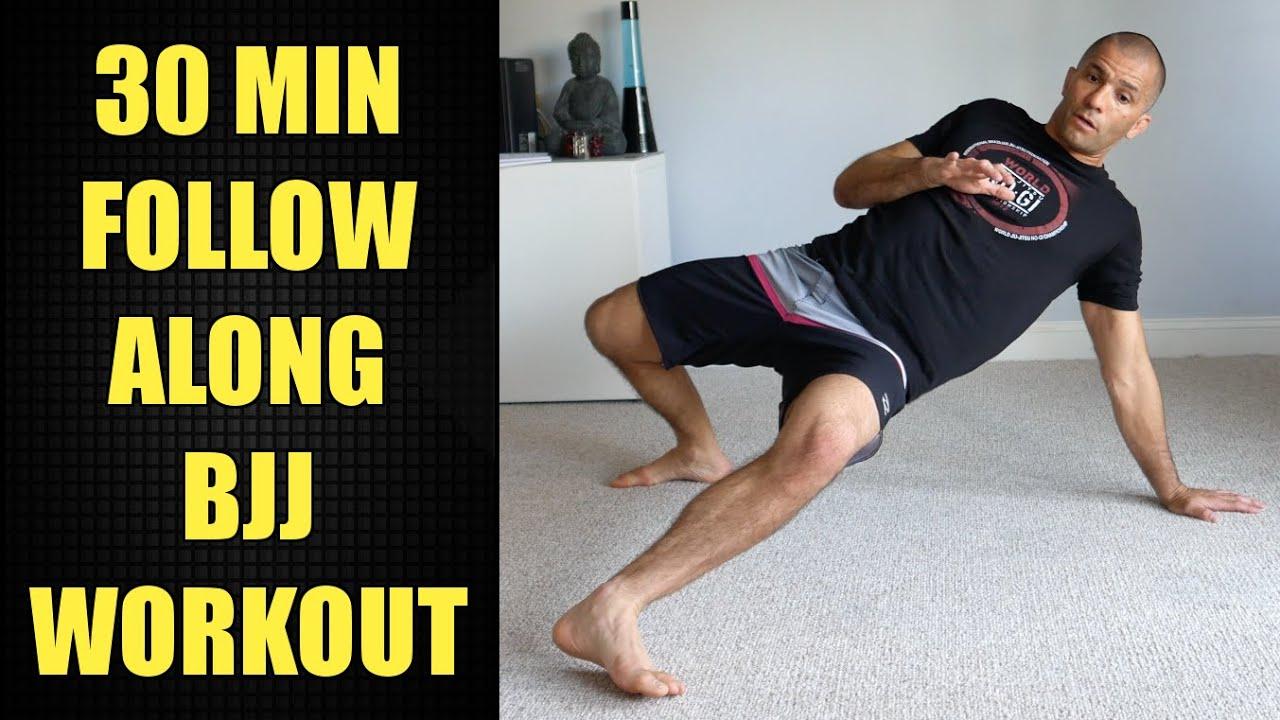
Jiu-Jitsu, a dynamic and intricate martial art, combines physical prowess with strategic thinking, making it essential for practitioners to engage in effective workouts that enhance both technical skills and physical conditioning. This article aims to explore various effective Jiu-Jitsu workout techniques and training tips designed to optimize performance on the mat. Whether you are a beginner seeking to build foundational skills or an experienced grappler aiming to refine your techniques, understanding the best approaches to training can lead to significant improvements in your practice. By examining key elements such as strength and conditioning, drilling routines, and mental preparation, this article provides a comprehensive guide for athletes at all levels to elevate their Jiu-Jitsu training experience.
Table of Contents
- Understanding the Fundamentals of Jiu-Jitsu Techniques
- Incorporating Strength and Conditioning in Jiu-Jitsu Training
- Developing Sparring Strategies for Improved Performance
- Creating a Balanced Training Schedule for Optimal Results
- To Wrap It Up
Understanding the Fundamentals of Jiu-Jitsu Techniques
To excel in Jiu-Jitsu, it’s vital to grasp the underlying principles of its techniques. Understanding the concepts of leverage, balance, and control can dramatically enhance your performance on the mat. The essence of these fundamentals lies in how they allow practitioners to execute complex moves with efficiency and effectiveness, regardless of size or strength. Some key aspects to consider are:
- Leverage: Using your body mechanics to maximize efficiency.
- Timing: Knowing the right moment to execute a technique for optimal effectiveness.
- Angles: Positioning your body to create advantageous situations during a roll.
Drilling these fundamentals is equally important. Repetition helps instill muscle memory, making transitions between techniques smoother and more instinctive during live sparring. Engaging in consistent practice also allows students to identify their strengths and weaknesses, fine-tuning their techniques accordingly. Here are some drills to enhance your fundamental skills:
| Drill | Focus |
|---|---|
| Guard Retention | Improving your ability to maintain guard position. |
| Hip Escapes | Developing core movement for escaping bad positions. |
| Flow Drills | Transitional techniques to improve fluidity. |
Incorporating Strength and Conditioning in Jiu-Jitsu Training
Integrating strength and conditioning into your Jiu-Jitsu training is essential for improving performance on the mat. A well-rounded program not only focuses on technique but also enhances your physical capabilities, contributing to better endurance, strength, and explosiveness. Incorporating exercises that target specific muscle groups used in grappling can lead to a significant increase in your overall effectiveness during sparring and competition. Consider including the following elements in your training regimen:
- Core Strength Exercises: Planks, Russian twists, and medicine ball slams to improve stability and balance.
- Strength Training: Compound movements like squats, deadlifts, and bench presses to build overall muscular strength.
- Cardiovascular Conditioning: High-intensity interval training (HIIT) and endurance runs to enhance stamina.
- Explosive Drills: Plyometrics, like box jumps and burpees, to increase speed and agility.
To effectively blend these conditioning components into your Jiu-Jitsu schedule, it’s important to prioritize recovery and flexibility work to prevent injury. Design your routine to include specific workouts tailored to your needs, while also allowing time for rolling and technical practice. A sample weekly schedule might look like this:
| Day | Focus | Activities |
|---|---|---|
| Monday | Strength Training | Squats, Deadlifts, Bench Press |
| Tuesday | Jiu-Jitsu Sparring | Technique Drills and Rolls |
| Wednesday | Cardio Conditioning | HIIT Workout |
| Thursday | Recovery | Yoga or Stretching |
| Friday | Explosive Drills | Plyometrics and Agility Workouts |
| Saturday | Jiu-Jitsu Sparring | Live Rolling Sessions |
| Sunday | Rest | Active Recovery |
Developing Sparring Strategies for Improved Performance
To enhance your sparring sessions, it’s essential to incorporate structured strategies that focus on different aspects of your game. Start by identifying your strengths and weaknesses, which will help you tailor your sparring efforts effectively. Consider these suggestions for strategic development:
- Define Clear Objectives: Set specific goals for each sparring session, whether it’s improving your guard passing, escaping bad positions, or refining submission attempts.
- Vary Your Opponents: Spar with partners of different skill levels, sizes, and styles to expose yourself to a wide range of techniques and strategies.
- Implement Situational Sparring: Focus on particular scenarios, such as starting from a mount or defending against a specific submission, to deepen your understanding of those positions.
As you refine your sparring strategies, note the impact of mental preparation and tactical awareness on your performance. It’s valuable to practice mindfulness and visualization techniques, which can enhance focus and execution during live rolls. Consider utilizing the following approaches to further develop your sparring mindset:
- Reflect on Your Sessions: After each training, take time to analyze what worked well and what didn’t, allowing you to adjust your strategies for future sessions.
- Engage in Goal Setting: Set both short-term and long-term objectives, monitoring your progress regularly to stay motivated and on track.
- Seek Feedback: Encourage your training partners or coaches to provide insight on your performance to gain a clearer perspective on your sparring dynamics.
Creating a Balanced Training Schedule for Optimal Results
To achieve peak performance in Jiu-Jitsu, it’s crucial to develop a training schedule that balances various aspects of your workouts. Your routine should encompass a mix of technical drilling, sparring, strength training, and conditioning to ensure all areas of your fighting game are sharp. Consider incorporating the following elements into your weekly schedule:
- Technical Drilling: Dedicate days for focused skill work, practicing specific techniques at a slow pace.
- Sparring Sessions: Include live rolling sessions to apply techniques against resisting partners.
- Strength Training: Integrate functional strength workouts to enhance your physical capabilities.
- Conditioning: Commit to cardio and agility exercises to improve endurance and reaction time.
Monitor your progress and recovery to avoid burnout and injuries. Consider a periodized approach, where you adjust the intensity and focus according to your training goals and competition schedule. Below is a sample training week for visual reference:
| Day | Training Focus | Duration |
|---|---|---|
| Monday | Technical Drilling | 1.5 hours |
| Tuesday | Sparring Sessions | 1 hour |
| Wednesday | Strength Training | 1 hour |
| Thursday | Conditioning | 30 minutes |
| Friday | Mixed Training (Drills + Sparring) | 1.5 hours |
| Saturday | Optional Open Mat | As needed |
| Sunday | Rest and Recovery | — |
To Wrap It Up
incorporating effective Jiu-Jitsu workouts into your training routine can significantly enhance your skills and overall performance on the mat. By understanding various techniques and applying the training tips outlined in this article, practitioners can foster a more efficient and well-rounded approach to their practice. Whether you are a beginner or an experienced competitor, consistency and targeted workouts are key to mastering Jiu-Jitsu. Remember to listen to your body, stay adaptable in your training methods, and continually seek to improve your knowledge and techniques. As with any martial art, dedication and a thoughtful approach to training will lead to ongoing growth and success in Jiu-Jitsu.