


In a world where health trends sprout and wither at a dizzying pace, one approach has captured the attention of many: intermittent fasting. This intriguing method of eating—or, more accurately, of not eating—promises not just weight loss but a holistic transformation of body and mind. Picture a journey where culinary habits are redefined, and the relationship with food is reexamined. Imagine unlocking the potential for enhanced energy, sharpened mental clarity, and renewed vitality. As we embark on this exploration, we’ll delve into the science behind intermittent fasting, the personal stories of those who have embraced its rhythms, and the practical tips that can guide you through your own transformation. Whether you’re a seasoned practitioner or a curious newcomer, this article aims to illuminate the path of intermittent fasting and inspire you to consider how this journey could reshape your own life.
Table of Contents
- Understanding Intermittent Fasting: The Science Behind the Method
- Choosing the Right Fasting Protocol: Finding What Fits Your Lifestyle
- Navigating Challenges: Tips for Staying Committed to Your Fasting Journey
- Sustaining Success: Integrating Healthy Habits Beyond Fasting
- Wrapping Up
Understanding Intermittent Fasting: The Science Behind the Method
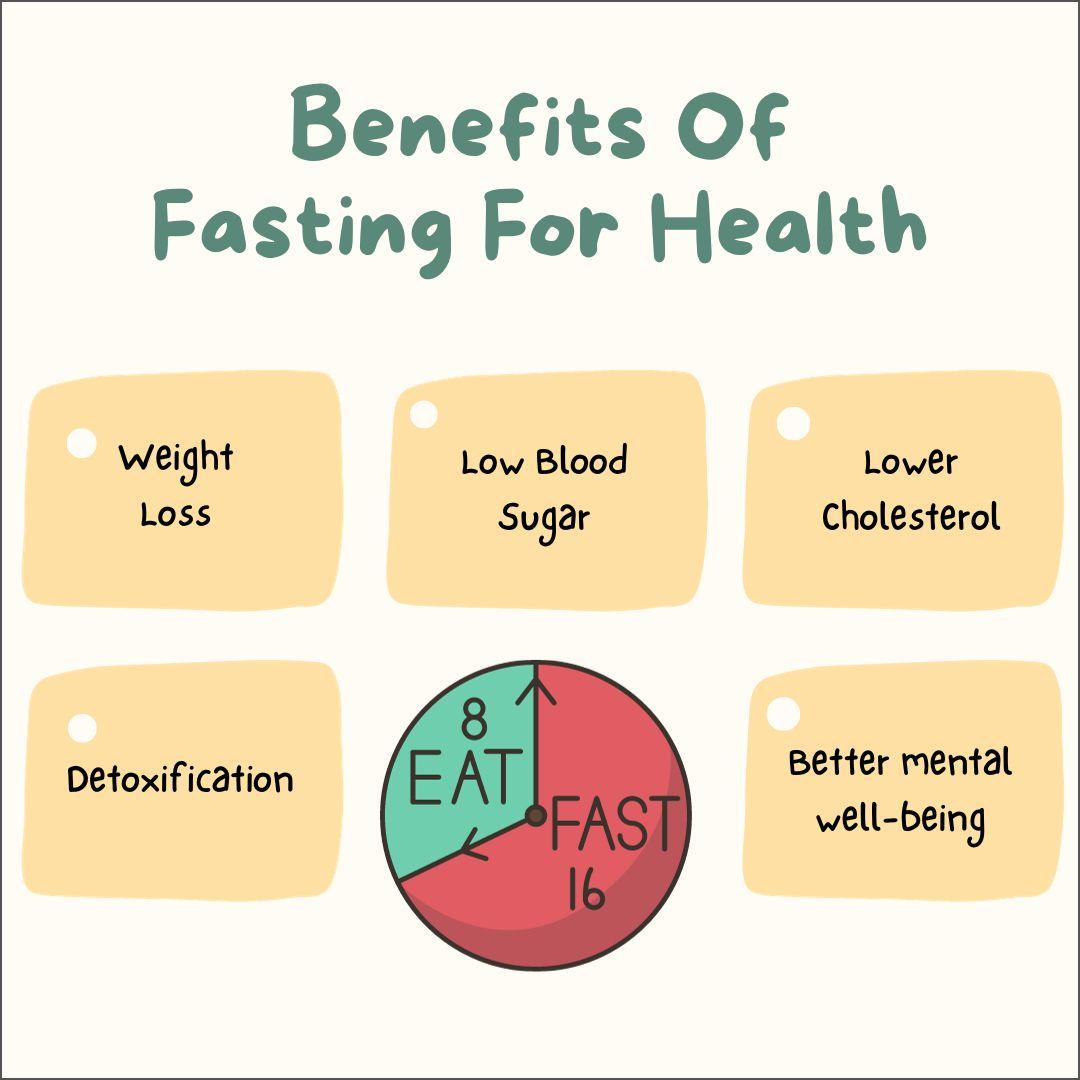
Intermittent fasting (IF) has gained traction as an effective method for promoting weight loss and improving metabolic health. The core principle revolves around cycling between periods of eating and fasting, which helps to regulate hormones, enhance cellular repair, and tap into fat stores for energy. When you fast, insulin levels drop significantly, allowing the body to access fat tissues more easily. This metabolic shift not only aids in fat loss, but also supports better blood sugar control and can reduce risks associated with chronic diseases like diabetes and heart disease.
Numerous studies have highlighted the benefits of this approach, indicating that it can also lead to improvements in brain health. During fasting, the production of brain-derived neurotrophic factor (BDNF) increases, promoting neuron growth and enhancing cognitive functions. Key findings suggest that intermittent fasting may help to reduce inflammation, lower oxidative stress, and stimulate autophagy—the body’s natural process for clearing out damaged cells. By adopting this style of eating, individuals often report increased energy levels, improved focus, and even a greater sense of mental clarity.
Choosing the Right Fasting Protocol: Finding What Fits Your Lifestyle
Embarking on your intermittent fasting journey requires a thoughtful approach to selecting a fasting protocol that seamlessly blends with your daily routine. Since there are numerous methods available, it’s vital to assess your personal lifestyle and preferences to identify what will be sustainable long-term. Here are a few popular options to consider:
- 16/8 Method: Fast for 16 hours and limit your eating window to 8 hours. Perfect for those who prefer a late breakfast or early lunch.
- 5:2 Diet: Eat normally for five days and restrict calorie intake to around 500-600 calories for two non-consecutive days. Ideal for those who want flexibility during the week.
- Eat-Stop-Eat: Involves a complete 24-hour fast once or twice a week. Suitable for more seasoned fasters looking for a significant challenge.
After identifying potential protocols, it’s essential to take a look at how they can align with your social commitments, work schedule, and physical activity. For some, skipping breakfast and making lunch the first meal of the day may feel easier, while others might find evening fasting more conducive due to family dinners or social outings. Here’s a simple comparison table to help you visualize how each method may fit into your lifestyle:
| Protocol | Best for | Flexibility |
|---|---|---|
| 16/8 Method | Busy professionals | High |
| 5:2 Diet | Social eaters | Moderate |
| Eat-Stop-Eat | Experienced fasters | Low |
Ultimately, choosing the right fasting protocol is about discovering what makes you feel energized, satisfied, and focused. It’s advisable to experiment gently with different techniques, keeping in mind that the best approach is one that harmonizes with your unique lifestyle and supports your personal health goals.
Navigating Challenges: Tips for Staying Committed to Your Fasting Journey
Staying committed to your fasting journey can seem daunting at times, but with the right mindset and strategies, you can overcome these obstacles. First, it’s crucial to define your ‘why’—understanding the personal reasons behind your commitment can provide motivation during challenging moments. Additionally, consider setting realistic goals that are both achievable and measurable. This not only keeps you encouraged but allows you to celebrate small victories along the way. Engaging with a community, either online or in person, offers a support network that can lift you when your resolve wavers. You might also want to keep a fasting journal to track your experiences, which can help identify patterns and solutions to any challenges you may face.
Another effective strategy is to plan your meals and snacks during your eating window. A well-structured menu can minimize the temptation to stray from your fasting schedule. Here are some helpful tips for meal planning:
- Meal Prep: Prepare your meals ahead of time to avoid last-minute unhealthy choices.
- Stay Hydrated: Drink plenty of water, tea, or black coffee to stave off hunger.
- Choose Nutrient-Dense Foods: Focus on whole foods that will keep you satisfied longer.
| Food Type | Benefits |
|---|---|
| Leafy Greens | Low in calories, high in fiber |
| Nuts | Healthy fats and protein for satiety |
| Lean Proteins | Builds muscle and sustains energy |
By incorporating these strategies into your routine, you can navigate the ups and downs of your fasting journey with confidence and resilience. Remember, each day is a fresh opportunity to embrace the process and continue moving toward your goals.
Sustaining Success: Integrating Healthy Habits Beyond Fasting
Integrating healthy habits into your daily life can create a robust foundation for sustaining the benefits of intermittent fasting. While fasting serves as an excellent catalyst for transformation, it’s the addition of balanced nutrition and exercise that truly elevates your journey. Consider incorporating these practices into your routine for lasting success:
- Mindful Eating: Focus on whole, unprocessed foods during your eating window.
- Regular Exercise: Aim for a mix of aerobic and strength training to boost metabolism.
- Hydration: Drink plenty of water to support overall health and aid digestion.
- Sufficient Sleep: Quality rest is essential for recovery and hormonal balance.
Maintaining a balanced approach can help you navigate plateaus and stay motivated on your path. Creating a routine that includes stress-reduction techniques and social support can further solidify your commitment. Consider the following strategies to enhance your lifestyle:
| Strategy | Description |
|---|---|
| Yoga & Meditation | Practices that foster relaxation and mental clarity. |
| Meal Prep | Planning meals in advance to avoid impulsive eating. |
| Community Engagement | Joining groups or forums for motivation and accountability. |
Wrapping Up
As we conclude our exploration of intermittent fasting and its transformative potential, it’s important to remember that this journey is highly personal and unique to each individual. Whether you are drawn to its benefits for weight management, metabolic health, or mental clarity, the key lies in understanding what works best for your body and lifestyle. Embracing intermittent fasting is not merely about changing your eating schedule; it’s about fostering a deeper connection with your body and its needs.
As you embark on this path, keep in mind that patience and self-compassion are just as crucial as discipline. Every step you take is an opportunity for growth and discovery. Be open to the lessons each fast teaches and listen to your body’s signals along the way. This journey might not always be straightforward, but every moment is an integral part of your story.
So, as you reflect on the insights gathered, consider how you can incorporate intermittent fasting into your life—not as a fleeting trend but as a sustainable practice that aligns with your health goals. Remember, transformation is not just about the physical; it is also an evolution of mindset and habits. With intention and perseverance, you have the power to reshape not only your body but also your relationship with food and wellness. Here’s to your transformative journey—may it be nourishing, enlightening, and inspiring.