


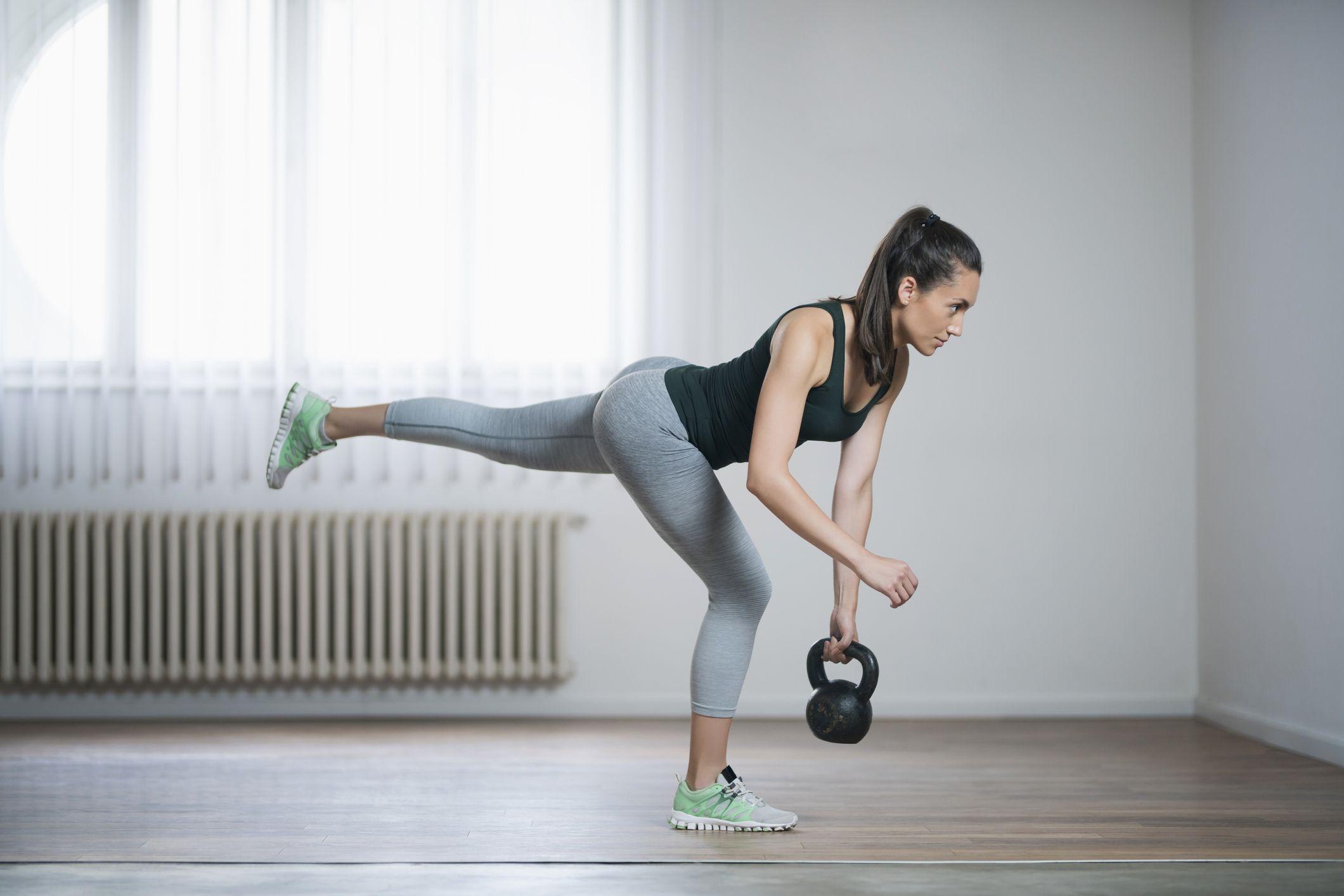
In a world characterized by chaos and constant motion, finding stability can often feel like an elusive goal. Whether you’re an athlete aiming to enhance your performance, an individual pursuing better overall health, or simply someone looking to improve daily functionality, balance training is a key element that deserves attention. “” delves into the art and science of maintaining equilibrium in both body and mind. This comprehensive guide will navigate through the fundamentals of balance training, exploring its benefits, techniques, and practical applications. By the end, you’ll be equipped with the tools and insights necessary to cultivate a more stable and confident presence in every aspect of life. Join us on this journey to enhance your physical resilience and mental poise, as we uncover the transformative power of effective balance training.
Table of Contents
- Understanding the Fundamentals of Balance and Stability
- Integrating Balance Training into Your Fitness Routine
- Techniques and Tools for Enhancing Balance Skills
- Tracking Progress and Setting Goals in Balance Training
- Future Outlook
Understanding the Fundamentals of Balance and Stability
In the quest for improved physical performance and functional movement, understanding the key principles of balance and stability is paramount. Balance refers to the ability to maintain the body’s center of mass over its base of support, while stability involves the body’s capacity to maintain this equilibrium when faced with external disturbances. Elements that contribute to both include core strength, proprioception, and sensory input from the visual and vestibular systems. By integrating these components, individuals can enhance their overall balance capabilities, which is essential for everyday activities as well as athletic pursuits.
Training for balance and stability can be categorized into different types, each targeting specific muscle groups and neural pathways. Some impactful approaches include:
- Static exercises: Incorporating holds in specific positions to develop muscle endurance.
- Dynamic movements: Engaging in activities that require continuous movement and adjustment, such as yoga or Pilates.
- Balance-related tools: Utilizing equipment like balance boards, stability balls, or Bosu balls to challenge stability.
Once a foundational understanding is established, a structured program can be developed, often incorporating the following key components:
| Training Element | Description |
|---|---|
| Core Exercises | Engage and strengthen the muscles surrounding the trunk. |
| Balance Exercises | Focus on stability challenges, such as standing on one leg. |
| Agility Training | Improve reflexes and quick changes in direction to enhance overall balance. |
Integrating Balance Training into Your Fitness Routine
is essential for enhancing stability, coordination, and overall athletic performance. Start by incorporating simple exercises that can be easily adjusted to match your current fitness level. Here are some effective options:
- Single-Leg Stands: Stand on one leg for 30 seconds while maintaining a straight posture. Switch legs and repeat.
- Balance Boards: Use a balance board to engage your core and improve stability by shifting your weight.
- Heel-to-Toe Walk: Walk in a straight line, placing the heel of one foot directly in front of the toes of the other.
To ensure a well-rounded approach, consider structured training sessions that incorporate a variety of exercises. Scheduling these sessions two to three times a week can significantly improve your balance. Here’s a sample weekly balance training plan:
| Day | Exercise | Duration |
|---|---|---|
| Monday | Single-Leg Stands | 5 minutes |
| Wednesday | Balance Board Exercises | 10 minutes |
| Friday | Heel-to-Toe Walk | 5 minutes |
By methodically incorporating these exercises and dedicating time each week to focus on balance, you’ll develop not only physical stability but also enhanced athletic performance and confidence in your movements.
Techniques and Tools for Enhancing Balance Skills
Mastering balance requires a blend of specialized techniques and the right tools. Start with the fundamentals, such as dynamic stability exercises that challenge your core and improve proprioception. Incorporating variations like single-leg stands, heel-to-toe walks, and balance beam walks can enhance your coordination and stability while engaging different muscle groups. Focus on incorporating these activities into your routine:
- Balance Boards: Utilize unstable surfaces to improve core strength.
- BOSU Balls: Great for adding an extra dimension to classic strength training moves.
- Resistance Bands: These can be used to create dynamic resistance during balance exercises.
In addition to exercises, specific tools designed for balance training can significantly contribute to your progress. Consider incorporating the following gadgets to enhance your practice:
| Tool | Benefits |
|---|---|
| Stability Discs | Improves flexibility and strengthens stabilizing muscles. |
| Foam Rollers | Enhances muscle recovery while promoting balance through instability. |
| Kettlebells | Engages core and challenges balance with dynamic movements. |
Tracking Progress and Setting Goals in Balance Training
To ensure you’re making strides in your balance training journey, it’s crucial to establish a systematic approach for monitoring progress. Employing qualitative and quantitative measures can provide you with insights into your improvements over time. Consider keeping a training journal or utilizing apps designed for fitness tracking, where you can document:
- Daily balance challenges and exercises completed.
- Time spent on each activity.
- Personal records achieved, such as holding a single-leg stance for longer durations.
Regularly reviewing your progress will not only keep you motivated but also help identify areas needing further development. It’s essential to set SMART goals—Specific, Measurable, Achievable, Relevant, and Time-bound. By clearly defining your objectives, you create a roadmap for your training sessions. Here’s a helpful table to guide you in establishing your balance training goals:
| Goal Type | Description | Time Frame |
|---|---|---|
| Endurance | Balance on one leg for 30 seconds | 4 weeks |
| Strength | Perform 5 squats on an unstable surface | 6 weeks |
| Coordination | Complete 10 balance beam walks without falling | 8 weeks |
Future Outlook
As we conclude our exploration of balance training, it’s clear that achieving stability is more than just a physical endeavor; it’s a journey of self-discovery and empowerment. By integrating the principles and techniques outlined in this guide, you’re not only strengthening your body but also enhancing your mind’s connection to movement. Remember, balance is a skill that transcends the gym—it’s a vital component of everyday life, influencing our ability to navigate challenges with poise and grace.
As you embark on your own balance training journey, embrace the small victories and understand that progress comes with patience and persistence. Whether you’re a seasoned athlete or just beginning, each step you take brings you closer to a more stable foundation, both physically and mentally. So gather your equipment, set your intentions, and step onto this path of stability. After all, the ability to stand tall in the face of life’s challenges is the essence of true balance. Keep striving, stay grounded, and may your journey toward equilibrium be fulfilling and transformative.