


Are you curious about intermittent fasting but not quite sure where to start? You’re not alone! This trendy approach to eating has taken the wellness world by storm, promising everything from weight loss to improved mental clarity. But with so much information buzzing around, it can be overwhelming to figure out what it actually entails and how to make it work for you. In this article, we’re here to break it all down—no jargon, just straightforward insights. Whether you’re a seasoned pro or a complete newbie, let’s unlock the mysteries of intermittent fasting and help you discover if this lifestyle change could be your next big thing! Grab a snack (or see you in a few hours) as we dive into what you really need to know about intermittent fasting.
Table of Contents
- Understanding the Basics of Intermittent Fasting
- Choosing the Right Fasting Method for Your Lifestyle
- Tips for Successfully Staying on Track with Your Fasting Plan
- Common Mistakes to Avoid While Intermittent Fasting
- In Summary
Understanding the Basics of Intermittent Fasting
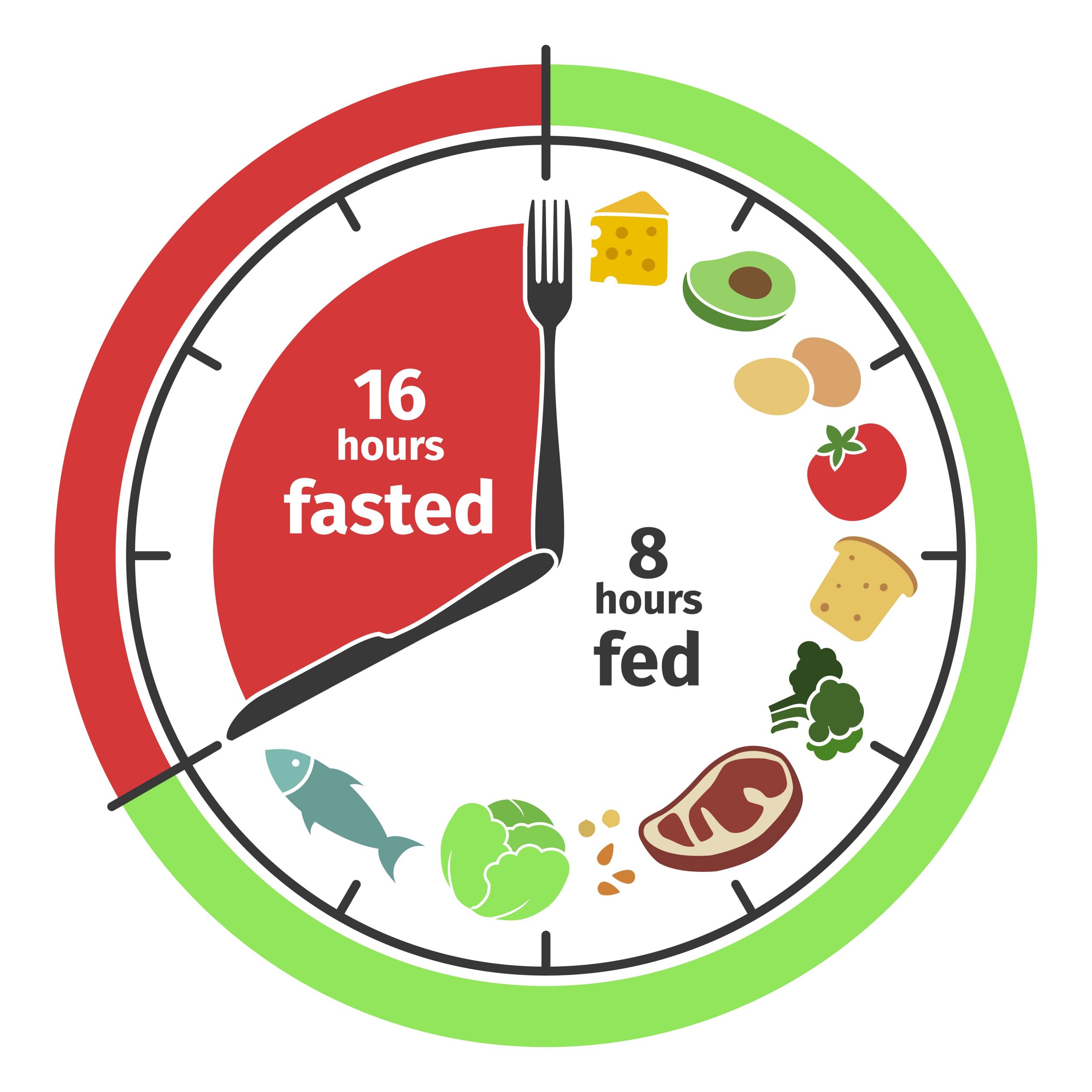
Intermittent fasting (IF) is not just a trendy diet; it’s a sustainable lifestyle choice that focuses on when you eat rather than what you eat. The concept revolves around cycling between periods of eating and fasting. There are several popular methods, such as the 16/8 method, where you fast for 16 hours and eat during an 8-hour window, and the 5:2 diet, which involves eating normally for five days of the week but restricting calorie intake to around 500-600 calories on two non-consecutive days. This flexibility makes it easier for many people to incorporate fasting into their daily routines.
What’s fascinating about intermittent fasting is its potential health benefits. It’s linked to improved metabolic health, weight loss, and even longevity. Some of the benefits include:
- Weight Management: Caloric restriction during fasting can lead to easier weight loss.
- Improved Insulin Sensitivity: This helps in better glucose regulation.
- Cellular Repair: Fasting triggers autophagy, a process where cells remove damaged components.
It’s also important to note that while intermittent fasting can be effective for many, it’s not suitable for everyone. Factors such as age, underlying health conditions, and lifestyle should be considered before embarking on this journey. Experimenting with different fasting schedules is encouraged, as finding what works best for you will make the process both enjoyable and sustainable!
Choosing the Right Fasting Method for Your Lifestyle
Choosing the right fasting method can feel overwhelming, but it’s all about finding what fits seamlessly into your daily routine. Different strategies cater to various lifestyles and preferences, making it essential to evaluate how each method aligns with your commitments. Here are some popular fasting methods to consider:
- 16/8 Method: Fast for 16 hours and eat during an 8-hour window. This is great for those who can skip breakfast.
- 5:2 Diet: Eat normally for five days and restrict calories to around 500-600 for two non-consecutive days.
- Eat-Stop-Eat: Involves a 24-hour fast once or twice a week, perfect for those who prefer less frequent fasting.
To narrow down your choices, consider your daily schedule, social life, and personal preferences. If you’re usually busy in the mornings, the 16/8 method could work wonders for you. Alternatively, if you love cooking and sharing meals with friends, the flexibility of the 5:2 diet might be more appealing. Take a look at the table below for a quick comparison of each method:
| Fasting Method | Duration | Best For |
|---|---|---|
| 16/8 | 16 hours fasting, 8 hours eating | Busy schedules, easy adaptation |
| 5:2 | Regular eating 5 days, restricted calories 2 days | Social eaters, flexible approach |
| Eat-Stop-Eat | 24-hour fast once or twice a week | Less frequent fasting, stronger commitment |
Tips for Successfully Staying on Track with Your Fasting Plan
Staying committed to your fasting plan can sometimes be a challenge, but with the right strategies, you can set yourself up for success. One effective approach is to create a structured schedule that outlines your eating and fasting windows. Consistency is key, so try to stick to the same times each day to help your body adjust. Additionally, consider keeping a fasting journal to track your progress, jot down how you feel, and celebrate your victories. This will not only keep you accountable but will also provide you with insights into what works best for you.
Another tip is to stay hydrated. Drinking plenty of water is crucial, especially during fasting periods, as it helps curb hunger and keeps your energy levels up. You can also incorporate herbal teas or black coffee to mix things up a bit, but be mindful of added calories or sweeteners. Furthermore, surrounding yourself with a supportive community, whether it be friends, family, or online groups, can make a huge difference. Having others to share your experiences with can motivate you during tough times. Here are some other friendly reminders to keep you inspired:
- Listen to your body—it knows best!
- Prepare healthy meals in advance to avoid temptations.
- Stay active with fun exercises you enjoy.
- Practice mindfulness to cope with cravings.
Common Mistakes to Avoid While Intermittent Fasting
Intermittent fasting can be a game-changer for your health journey, but it’s essential to steer clear of some common pitfalls. One major mistake is overcompensating during eating windows. Many people assume that they can eat anything during their allowed time, leading to excessive calorie intake and unhealthy food choices. Instead, prioritize nutrient-dense foods that fuel your body and keep you feeling satisfied. Incorporating a balanced mix of proteins, healthy fats, and plenty of fruits and vegetables can help maintain optimal energy levels and support your fasting goals.
Another common misstep is neglecting hydration. During fasting periods, it’s easy to forget to drink enough water, which can lead to fatigue and headache. Aim to sip water consistently, even when you’re not eating, to stay hydrated. Plus, some people mistakenly think that fasting means avoiding any caloric intake, including from beverages. While it’s important to stick to zero-calorie drinks during the fasting phase, black coffee or herbal tea can be great allies in curbing hunger without breaking your fast. Remember that your body is in a state of adaptation, so listen to its cues and don’t hesitate to adjust your approach as needed!
In Summary
As we wrap up our dive into the world of intermittent fasting, it’s clear that this approach isn’t just about skipping meals—it’s a whole new perspective on how we think about food, health, and wellness. By understanding the different fasting methods, the science behind why it works, and how to tailor it to your lifestyle, you’re already a step ahead in making informed decisions about your diet.
Remember, there’s no one-size-fits-all solution. Whether you adopt the 16/8 method, try alternate-day fasting, or just start by delaying breakfast, the key is to listen to your body and find what feels right for you. Don’t forget to take it slow and be gentle with yourself as you navigate this journey.
So, whether you’re looking to shed a few pounds, boost your energy, or simply give your digestive system a break, intermittent fasting might just be the tool you need. Give it a shot, keep experimenting, and most importantly, enjoy the process! Here’s to happy fasting and healthier living!