


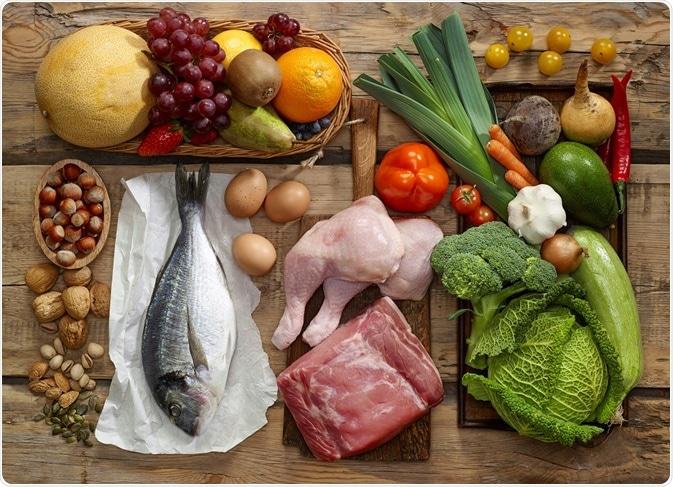
In an age where dietary trends ebb and flow with the tides of social media, the Paleo diet stands out as a nostalgic throwback to our ancestral roots. But what exactly does it mean to eat like our ancestors? The Paleo diet invites us on a journey back to a time when our forebears roamed the earth, foraging and hunting for sustenance. This ancestral approach to nutrition advocates for a return to whole, unprocessed foods — meats, vegetables, nuts, and fruits that were available long before the advent of modern agriculture. But beneath its primal allure lies a complex web of science, sociology, and personal philosophy. In this article, we will unravel the principles of the Paleo diet, explore its potential benefits and pitfalls, and consider what it truly means to embrace the eating habits of those who came before us. Join us as we delve into the primal past, separating myth from reality in the pursuit of health and wellness.
Table of Contents
- Exploring the Foundations of the Paleo Diet: Principles and Philosophy
- Key Foods in the Paleo Pantry: What to Embrace and What to Avoid
- Benefits and Challenges of Going Paleo: A Balanced Perspective
- Tips for Transitioning to a Paleo Lifestyle: Practical Steps for Success
- In Conclusion
Exploring the Foundations of the Paleo Diet: Principles and Philosophy
The Paleo diet is rooted in the idea of mimicking the dietary habits of our ancient ancestors, primarily focusing on whole, unprocessed foods that were available during the Paleolithic era. This approach is built on the premise that our genetics have scarcely evolved since then, and as a result, our bodies are best suited to process foods that resemble those consumed by early humans. Adherents of the Paleo diet typically avoid grains, legumes, dairy, and processed foods, arguing that these modern staples can lead to various health issues such as inflammation, obesity, and chronic diseases. Instead, the emphasis is placed on the consumption of lean meats, fish, fruits, vegetables, nuts, and seeds, which are believed to promote optimal health and well-being.
Beyond just a dietary framework, the Paleo philosophy encourages a holistic lifestyle that connects not only with food but also with physical activity and mindfulness. Proponents often advocate for regular exercise that mimics the natural movements of our ancestors, such as walking, running, and climbing, while also emphasizing the importance of disconnecting from modern technology for mental and emotional well-being. To encapsulate these principles, here’s a simple comparison of modern foods versus their Paleo-approved counterparts:
| Modern Foods | Paleo Alternatives |
|---|---|
| Wheat Bread | Almond Flour Bread |
| Pasta | Zucchini Noodles |
| Dairy Milk | Almond/Coconut Milk |
| Processed Snacks | Mixed Nuts and Berries |
Key Foods in the Paleo Pantry: What to Embrace and What to Avoid
Creating a Paleo pantry means filling it with whole foods that our ancestors would have recognized, emphasizing natural ingredients and minimizing processed items. Start by stocking your kitchen with lean meats, such as grass-fed beef and free-range poultry, as well as wild-caught fish like salmon and mackerel, which are rich in Omega-3 fatty acids. Complement these proteins with a variety of fresh fruits and vegetables; think leafy greens, vibrant berries, and seasonal produce that provide important vitamins and minerals. Don’t forget to add healthy fats such as avocados, nuts, seeds, and oils like olive and coconut oil to your cooking repertoire. All of these foods serve as the cornerstone of the Paleo diet, delivering essential nutrients while keeping your meals satisfying and delicious.
On the flip side, it’s crucial to be mindful of what to avoid in your pantry. Steer clear of processed foods, which often contain additives, preservatives, and hidden sugars. This includes common culprits like packaged snacks, sugary cereals, and ready-made sauces. Additionally, eliminate grains such as wheat, barley, and rice, which were not part of our ancestors’ diets, as well as legumes like beans and peas, which can be hard to digest for some individuals. Lastly, avoid dairy products, particularly those that are high in lactose, as they were likely not a staple in the pre-agricultural era. By carefully curating your pantry, you’ll set the stage for a wholesome, nourishing Paleo lifestyle.
Benefits and Challenges of Going Paleo: A Balanced Perspective
Embracing a Paleo lifestyle offers numerous benefits, aligning with the natural dietary habits of our ancestors. Many proponents of the diet argue that it can lead to weight loss and improved digestive health, as it focuses on whole, unprocessed foods. Here are some notable advantages:
- Improved Nutrient Intake: By consuming fruits, vegetables, lean meats, and nuts, individuals may experience a boost in essential vitamins and minerals.
- Weight Management: The emphasis on protein and healthy fats can promote satiety, potentially leading to reduced overall calorie intake.
- Reduced Inflammation: Eliminating processed sugars and grains may help decrease inflammation and related health issues.
However, the Paleo diet is not without its challenges, prompting some to approach it with caution. Critics often highlight issues such as the restrictive nature of the diet, which can make adherence difficult for many. Key challenges include:
- Social Situations: Dining out or attending gatherings can become complicated, as many common foods are off-limits.
- Cost Considerations: Grass-fed meats and organic produce can be significantly more expensive than conventional options.
- Nutritional Imbalance: Potential deficiencies in nutrients like calcium or fiber can arise from the elimination of food groups such as dairy and grains.
| Pros | Cons |
|---|---|
| Whole food focus | Highly restrictive |
| Potential for weight loss | Higher food costs |
| Increased energy levels | Risk of nutritional gaps |
Tips for Transitioning to a Paleo Lifestyle: Practical Steps for Success
- Educate Yourself: Start by understanding the principles of the Paleo diet. Research how our ancestors ate and the nutritional benefits associated with whole foods. Knowing the “why” behind the diet can help keep you motivated.
- Gradual Changes: Instead of overhauling your diet overnight, gradually replace processed foods with whole foods. Begin by eliminating common culprits like sugar and grains, and incorporate more vegetables, fruits, nuts, and lean meats into your meals.
- Meal Prep: Planning and preparing your meals in advance is key to staying on track. Set aside time each week to create meals that fit within the Paleo guidelines. Having healthy options available will reduce the temptation to revert to convenience foods.
- Join a Community: Surround yourself with like-minded individuals who are also on a Paleo journey. Engage in forums, social media groups, or local meetups where you can share tips, recipes, and encouragement.
| Food Category | Paleo Approved | Not Allowed |
|---|---|---|
| Fruits & Vegetables | All fresh varieties | Canned or processed |
| Proteins | Grass-fed meats, fish, eggs | Processed meats |
| Nuts & Seeds | Almonds, walnuts, pumpkin seeds | Peanuts and legumes |
| Fats | Olive oil, coconut oil, avocados | Hydrogenated oils, margarine |
- Experiment with Recipes: The Paleo diet doesn’t have to be boring! Explore a variety of recipes that highlight the wonderful flavors of whole foods. Consider experimenting with new cooking methods, such as grilling or roasting, to enhance your meals.
- Listen to Your Body: Transitioning can be challenging; pay attention to how your body responds to the changes. Adjust your meals based on your energy levels, cravings, and overall well-being. Finding a personal balance will make the journey more enjoyable.
- Stay Hydrated: Drink plenty of water to help your body adjust to the new diet. Herbal teas and infused waters can also be excellent alternatives to sugary drinks, supporting your transition.
In Conclusion
the Paleo diet invites us to step back in time, encouraging a return to the nutritional foundations laid by our ancestors. As we navigate through the complexities of modern eating habits, embracing the principles of whole, unprocessed foods can offer a refreshing perspective on health and well-being. While the allure of ancient eating may resonate with some, it’s essential to approach the Paleo diet with an open mind and a critical eye, considering your own lifestyle and dietary needs. Ultimately, the goal is to forge a connection with our food sources, promoting mindfulness and balance in our day-to-day nourishment. So whether you decide to adopt the Paleo approach or simply glean insights from its philosophy, remember that the journey toward a healthier diet is uniquely personal—embrace it with curiosity and care.