


Embarking on a cardio journey is akin to setting sail on uncharted waters; the destination is invigorating, yet the path can often feel daunting. Whether you’re aiming to boost your cardiovascular fitness, shed a few pounds, or simply cultivate a healthier lifestyle, tracking your progress is an essential compass that helps guide you along the way. In a world where fitness fads come and go, the key to sustainable success lies in understanding your body’s responses and adapting your strategies accordingly. This article delves into the myriad methods of effectively tracking your cardio progress, empowering you to celebrate each step of your journey, recognize your achievements, and motivate you toward your ultimate goals. Join us as we explore practical tools, insightful techniques, and inspiring tips to turn your cardio commitment into a measurable and rewarding adventure.
Table of Contents
- Understanding Your Baseline: Setting Realistic Cardio Goals
- Choosing the Right Tools: Comparing Apps and Tracking Methods
- Visualizing Your Progress: Harnessing Data for Motivation
- Embracing Adaptability: Adjusting Your Approach Over Time
- To Conclude
Understanding Your Baseline: Setting Realistic Cardio Goals
Before setting ambitious cardio goals, it’s essential to assess your current fitness level. Understanding where you stand allows you to establish a foundation that is both achievable and sustainable. Consider regular activities you engage in, and be honest with yourself about how they affect your overall fitness. For example, if you’re currently walking 10 minutes a day, it’s unrealistic to suddenly aim for a 5K run within a month. Instead, gradually increase your duration and intensity and track these changes to keep a clear perspective on your progress.
To develop realistic cardio goals, focus on measurable and time-based objectives. Break them down into small, manageable milestones that encourage steady improvements. You can utilize the following strategies to help refine your goals:
- Incremental Increases: Aim to increase your cardio duration or intensity by a small percentage each week.
- Specific Benchmarks: Set goals based on specific distances, durations, or heart rate zones.
- Consistency Counts: Prioritize consistent workouts rather than sporadic bursts of activity.
To help visualize your progress, consider creating a simple table to track your weekly cardio sessions. This can provide motivation and a sense of accomplishment as you monitor your improvements:
| Week | Duration (minutes) | Type of Cardio | Notes |
|---|---|---|---|
| 1 | 20 | Walking | Beginning routine |
| 2 | 25 | Jogging | Increased intensity |
| 3 | 30 | Cycling | New activity added |
Choosing the Right Tools: Comparing Apps and Tracking Methods
In the quest to monitor your cardiovascular progress, selecting the appropriate tools is pivotal. Numerous applications offer robust tracking features that can suit different fitness levels and preferences. When deciding, consider the following criteria:
- User Interface: A clean, intuitive layout can simplify your tracking experience.
- Integration: Apps that sync with other devices (like smartwatches or heart rate monitors) provide a comprehensive view of your performance.
- Customization: Look for tools that allow you to tailor your metrics, so you can focus on the aspects of your cardio journey that matter most to you.
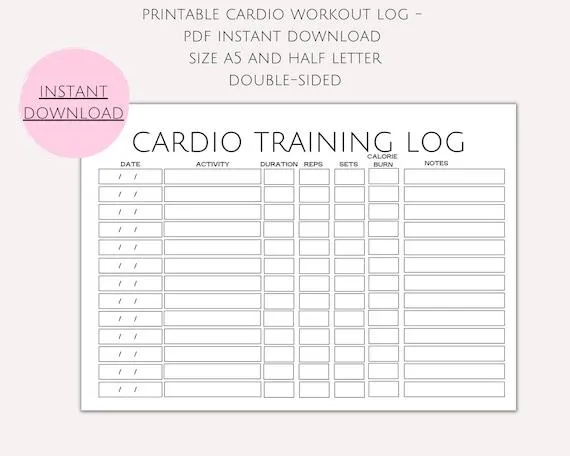
Another reliable method is using a traditional tracking journal or a spreadsheet to log your workouts. This can foster a personal touch, ensuring that you engage more deeply with your progress. Below is a simple comparison of the two methods:
| Feature | Apps | Journals/Spreadsheets |
|---|---|---|
| Accessibility | Can be used on-the-go | Requires manual entry |
| Real-time tracking | Yes, instant updates | Not applicable |
| Customization | Moderate to high | Unlimited flexibility |
| Data Visualization | Graphs and charts available | Basic graphs, needs manual setup |
Visualizing Your Progress: Harnessing Data for Motivation
Tracking your cardio journey isn’t just about keeping a record; it’s about transforming raw data into a source of motivation that fuels your passion for fitness. By utilizing various visualization tools, you can unveil patterns and milestones that inspire consistency in your workouts. Start with simple graphs to track metrics such as distance, pace, and time. For instance, creating a line graph to visualize your running progress over weeks can highlight improvements in speed or endurance. Additionally, consider using pie charts to represent the proportion of different cardio activities, such as running, cycling, or swimming, ensuring a well-rounded fitness regime.
To make your tracking even more effective, consider implementing a weekly progress table where you can log daily activities and feelings associated with your workouts. This approach not only keeps you accountable but also allows you to observe the relationship between effort and energy levels. Here’s a quick example of how your progress table might look:
| Day | Activity | Duration (min) | Comments |
|---|---|---|---|
| Monday | Running | 30 | Felt great! |
| Wednesday | Cycling | 45 | Challenging but rewarding. |
| Friday | Swimming | 60 | Refreshing and fun! |
Using these tools not only helps you stay organized but also fosters a deeper connection to your cardio journey. The visualization of your progress reaffirms your commitment and reminds you of how far you’ve come, creating a powerful psychological boost that keeps the enthusiasm alive.
Embracing Adaptability: Adjusting Your Approach Over Time
In the dynamic journey of cardio training, the ability to pivot and modify your methodology is crucial for sustained growth and motivation. As your fitness levels rise, what worked yesterday may not yield the same results tomorrow. It’s vital to periodically assess your progress and reevaluate your strategies to avoid stagnation. Consider factors such as your current fitness level, goal evolution, and external influences like the change in seasons or new fitness trends. Embracing change rather than fearing it can set you on a path to discovery, both in terms of your physical capabilities and your mental resilience.
To effectively navigate this adaptive approach, keep an eye on the following strategies:
- Regular Assessments: Schedule monthly fitness tests to measure improvements.
- Variety in Workouts: Incorporate different forms of cardio such as cycling, swimming, and HIIT.
- Listen to Your Body: Adjust your intensity based on how you feel overall.
- Set Short-term Goals: Break down larger objectives into manageable steps to maintain motivation.
| Adaptability Strategy | Purpose |
|---|---|
| Cross-training | Prevents overuse injuries |
| Progress Journaling | Tracks physical and emotional shifts |
| Consulting with Coaches | Gains expert insights |
| Participating in Group Workouts | Encourages accountability and camaraderie |
To Conclude
As you embark on your cardio journey, remember that every beat counts. Tracking your progress isn’t just about numbers; it’s about the stories they tell and the milestones you achieve along the way. Whether you’re a seasoned runner, a cycling enthusiast, or simply seeking to enhance your overall fitness, finding an effective way to monitor your progress can illuminate your path and keep you motivated.
By embracing tools, techniques, and a mindset attuned to growth, you empower yourself to make informed adjustments and celebrate your successes—big and small. So lace up your shoes, embrace the rhythm of your heart, and take each step with intention. Your journey is uniquely yours, and with every log and graph, you are crafting a narrative of perseverance, improvement, and joy. Keep charting your path, and let the numbers guide you to new adventures in your cardio quest.