


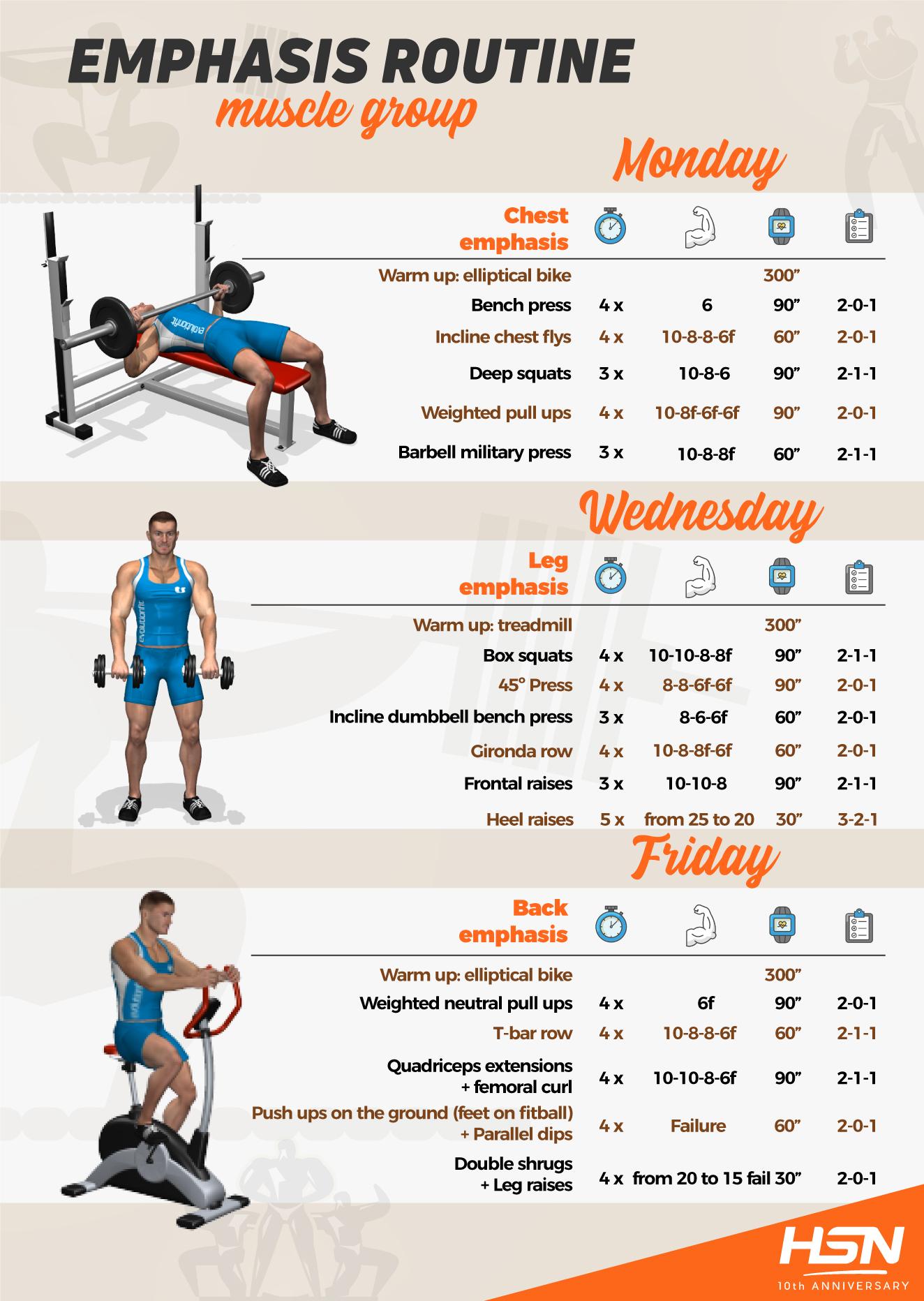
In the pursuit of overall fitness and well-being, full-body workouts have gained considerable attention for their efficiency and effectiveness. These workouts engage multiple muscle groups simultaneously, promoting balanced strength development, increasing calorie expenditure, and enhancing cardiovascular fitness. This comprehensive guide aims to provide readers with a thorough understanding of full-body workouts, including their benefits, various exercise routines, and best practices for maximizing results. Whether you are a beginner seeking to establish a consistent fitness routine or an experienced athlete looking to diversify your training regimen, this guide will serve as a valuable resource to help you achieve your fitness goals through effective full-body workouts.
Table of Contents
- Understanding the Benefits of Full-Body Workouts
- Essential Components of a Balanced Full-Body Workout
- Best Exercises for Targeting Major Muscle Groups
- Tips for Structuring Your Full-Body Workout Routine
- In Conclusion
Understanding the Benefits of Full-Body Workouts
Full-body workouts offer a comprehensive approach to fitness, allowing individuals to engage multiple muscle groups in a single session. This method not only enhances overall strength but also stimulates the metabolism, promoting calorie burn both during and after the workout. The benefits of such workouts include:
- Time Efficiency: Achieve maximum results in less time.
- Muscle Balance: Addressing all major muscle groups reduces the risk of imbalances.
- Increased Flexibility: Many full-body routines integrate flexibility exercises that support joint health.
- Improved Recovery: Engage in varied movements that promote quicker recovery times.
Moreover, full-body workouts are versatile and can be easily tailored to accommodate different fitness levels, making them suitable for anyone from beginners to seasoned athletes. They can include a mix of resistance training, cardio, and functional movements for a well-rounded fitness routine. Here’s a simple breakdown of the advantages:
| Advantage | Description |
|---|---|
| Convenience | Allows for fewer gym visits while still achieving comprehensive results. |
| Adaptability | Easily customized to fit personal goals or equipment availability. |
| Engagement | Variety in exercises keeps motivation high and boredom at bay. |
Essential Components of a Balanced Full-Body Workout
A well-structured full-body workout incorporates several key elements designed to engage multiple muscle groups, improve overall strength, and enhance cardiovascular fitness. By integrating compound movements such as squats, deadlifts, and bench presses, you can maximize calorie burn and promote functional strength. Additionally, incorporating isolation exercises like bicep curls and tricep extensions allows for targeted muscle development, balancing the demands placed on your body.
Another critical aspect of a balanced workout is the inclusion of different training modalities. This means diversifying your routine with resistance training, cardiovascular exercises, and flexibility work to ensure comprehensive fitness. To effectively track your progress and balance muscle engagement, consider using the following table to outline your weekly workout components:
| Workout Component | Frequency (per week) | Examples |
|---|---|---|
| Resistance Training | 2-3 times | Squats, Push-ups, Lunges |
| Cardiovascular Exercises | 2-3 times | Running, Cycling, Rowing |
| Flexibility and Mobility | 2-3 times | Yoga, Stretching, Foam Rolling |
Best Exercises for Targeting Major Muscle Groups
To achieve well-rounded strength and tone in your physique, it’s essential to incorporate exercises that activate multiple major muscle groups. Compound movements serve as the backbone of an effective full-body workout, providing a solid foundation for building strength and endurance. Some noteworthy exercises include:
- Squats: Engaging the quads, hamstrings, and glutes, squats are fundamental for lower body strength.
- Deadlifts: This exercise targets the back, glutes, and hamstrings, promoting core stability and power.
- Bench Press: Focusing on the chest, shoulders, and triceps, the bench press is a staple for upper body development.
- Pull-Ups: These work the lats, biceps, and shoulders, effectively enhancing upper body strength.
- Lunges: A dynamic movement that targets the legs and glutes while improving balance and flexibility.
In addition to these foundational exercises, engaging in functional training can significantly enhance overall muscle activation. Movements like kettlebell swings, clean and jerks, and medicine ball slams not only engage multiple muscle groups simultaneously but also improve coordination and agility. Below is a brief overview of these functional exercises:
| Exercise | Targeted Muscle Groups |
|---|---|
| Kettlebell Swings | Glutes, hamstrings, core, shoulders |
| Clean and Jerks | Legs, back, shoulders, arms |
| Medicine Ball Slams | Core, shoulders, legs |
Tips for Structuring Your Full-Body Workout Routine
Creating a balanced full-body workout routine requires careful consideration of the exercises, their order, and the overall volume. Aim to include a mix of compound and isolation movements to ensure all major muscle groups are engaged. Incorporate exercises like squats, deadlifts, push-ups, and pull-ups, which utilize multiple muscle groups and promote overall strength. Additionally, prioritize alternating upper and lower body exercises to allow muscle recovery between sets while maintaining an elevated heart rate. This method not only improves efficiency but also enhances muscular endurance.
When structuring your workout, consider the following key components:
- Warm-up: 5-10 minutes of light cardio or dynamic stretching.
- Main workout: Perform 3-4 sets of 6-12 repetitions for each exercise.
- Rest periods: 30-90 seconds between sets to maintain intensity.
- Cool down: 5-10 minutes of static stretching to promote recovery.
Use the table below to visualize a sample workout structure:
| Exercise | Sets | Reps |
|---|---|---|
| Squats | 3 | 10 |
| Push-ups | 3 | 8-12 |
| Deadlifts | 3 | 8-10 |
| Pull-ups | 3 | 6-8 |
In Conclusion
a comprehensive understanding of effective full-body workouts enables individuals to maximize their fitness potential while ensuring a balanced and efficient exercise regimen. By incorporating a variety of movements that target multiple muscle groups, individuals can enhance their strength, endurance, and overall health. Consistency, proper technique, and the inclusion of progress tracking are essential components for long-term success. Whether you are a beginner or an experienced athlete, adapting the principles outlined in this guide can help you achieve your fitness goals. As you embark on your journey, remember to listen to your body and make adjustments as necessary, ensuring a safe and sustainable approach to your full-body workout routine.