


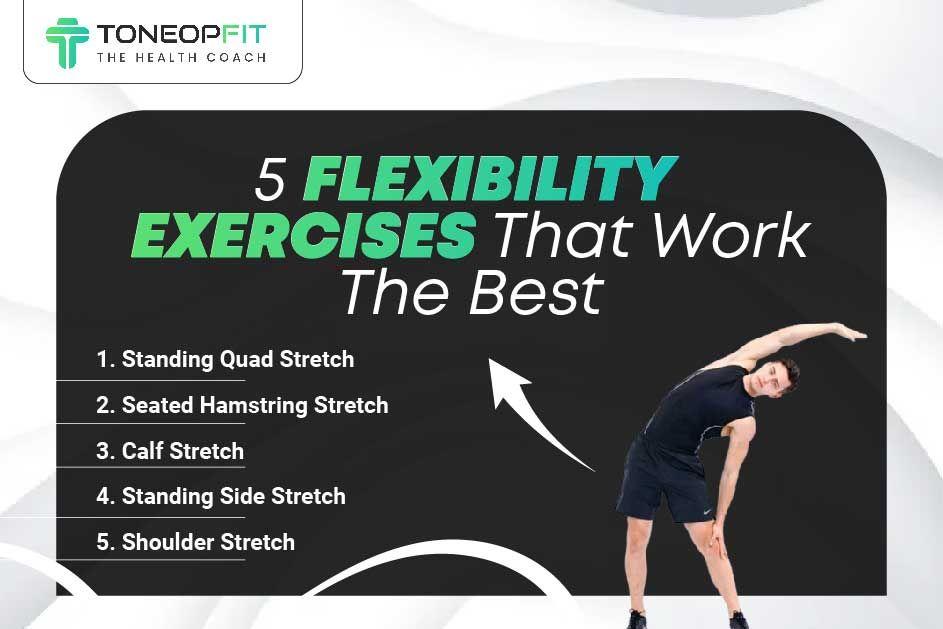
Flexibility workouts have gained significant attention in recent years as a fundamental component of physical fitness and overall well-being. While often overshadowed by strength training and cardiovascular exercise, flexibility plays a crucial role in enhancing performance, preventing injuries, and improving the quality of daily movements. This article delves into the numerous benefits associated with incorporating flexibility workouts into one’s fitness regimen, including increased range of motion, improved posture, and enhanced athletic performance. Furthermore, it will explore various techniques and practices, such as static stretching, dynamic stretching, and yoga, that can effectively promote flexibility. By understanding the importance of flexibility and how to incorporate it into a routine, individuals can achieve a more balanced and functional approach to their fitness journey.
Table of Contents
- Understanding the Importance of Flexibility in Physical Health
- Techniques for Effective Flexibility Workouts
- Incorporating Flexibility Exercises into Your Routine
- Measuring Progress and Setting Goals for Flexibility Training
- Wrapping Up
Understanding the Importance of Flexibility in Physical Health
Flexibility is a crucial component of physical health, as it enhances the range of motion in joints and muscles. This increased mobility can lead to improved physical performance, reduced risk of injury, and quicker recovery from intense workouts. Engaging in flexibility training also promotes better posture and alignment, which are essential for overall body mechanics and can alleviate discomfort caused by muscle tension. Furthermore, as we age, our muscles and tendons naturally lose elasticity, making it imperative to incorporate stretching into our fitness routines to maintain mobility and independence.
Incorporating flexibility workouts into a regular exercise program can provide a myriad of benefits. Some key advantages include:
- Enhanced athletic performance: Flexibility helps athletes execute movements more efficiently.
- Reduced muscle tension: Regular stretching alleviates tightness and discomfort.
- Improved circulation: Stretching enhances blood flow, promoting faster recovery.
- Stress relief: The mindful practice of stretching can lead to relaxation and reduced anxiety.
To effectively maintain and improve flexibility, various techniques can be incorporated:
| Technique | Description |
|---|---|
| Static Stretching | Holding a stretch for a prolonged period to lengthen muscles. |
| Dynamic Stretching | Incorporating movement into stretches to prepare muscles for activity. |
| PNF Stretching | A partner-assisted technique that involves contracting and relaxing muscles. |
| Yoga | A holistic approach that combines physical, mental, and spiritual benefits through poses. |
Techniques for Effective Flexibility Workouts
Incorporating a variety of techniques can enhance your flexibility workouts significantly. Static stretching involves holding a stretch for an extended period, usually between 15 to 60 seconds, which helps improve overall flexibility by elongating muscle fibers. Dynamic stretching, on the other hand, engages muscles through movement, preparing your body for physical activity. This technique includes controlled, smooth movements that mimic the exercises to come, making it an excellent warm-up. In addition, consider integrating PNF (Proprioceptive Neuromuscular Facilitation) stretching, which combines passive stretching and isometric contractions, believed to improve range of motion and flexibility more efficiently than traditional methods.
To monitor progress and tailor your workouts, create a routine that includes various stretching techniques. You can use a flexibility workout table to outline your sessions, track your gains, and help maintain consistency. Here’s a simple example to illustrate how to structure your workouts:
| Technique | Duration | Frequency |
|---|---|---|
| Static Stretching | 15-60 seconds | 3-5 times per week |
| Dynamic Stretching | 5-10 minutes | Before workouts |
| PNF Stretching | 15-30 seconds per contraction | 2-3 times per week |
Additionally, incorporating tools such as yoga straps, foam rollers, and stability balls can facilitate deeper stretches and enhanced mobility. Tailoring your routine to include a combination of these techniques not only fosters improved flexibility but also promotes overall muscle recovery, reduces injury risk, and contributes to better athletic performance. Remember to listen to your body and progress at your own pace, as flexibility improvement varies from person to person.
Incorporating Flexibility Exercises into Your Routine
Incorporating flexibility exercises into your daily routine can yield numerous benefits that extend beyond improved range of motion. One effective method is to set aside time for these workouts either in the morning to kickstart your day or in the evening to wind down. Simple stretches can easily be included during various activities, such as watching television or reading, allowing you to benefit from flexibility training without major time commitments. Consider integrating the following techniques:
- Dynamic stretching: Engage in movements that mimic your workout to warm up your muscles.
- Static stretching: Hold stretches for 15-30 seconds after workouts to enhance flexibility.
- Yoga: Incorporate designated yoga sessions into your week for overall flexibility and mindfulness.
Additionally, tracking your progress can motivate you to keep up with your flexibility exercises. Maintaining a detailed record can help you identify areas for improvement and monitor your gains. Utilizing a flexible schedule allows you to embrace various environments for your stretches, whether at home, at the gym, or outdoors. Here’s a simple table to illustrate suitable times for different flexibility exercises:
| Time of Day | Recommended Flexibility Exercises |
|---|---|
| Morning | Dynamic stretches, Sun Salutations |
| Afternoon | Static stretches for muscle groups targeted in workouts |
| Evening | Gentle yoga flow or deep stretching |
Measuring Progress and Setting Goals for Flexibility Training
To effectively track your advancement in flexibility training, establishing measurable goals is crucial. Start by assessing your current range of motion through basic tests such as the sit-and-reach test or shoulder flexibility exercises. This will provide a baseline from which to measure progress. Consider implementing a flexibility diary to log your daily practices, noting exercises performed and any improvements observed. Setting specific, achievable goals can enhance your motivation and commitment. For example, aim to increase your stretch duration gradually or achieve a new pose in yoga over a set period.
Regularly revisiting your progress will help in maintaining momentum and making necessary adjustments to your training routine. You can categorize your goals into short-term and long-term, allowing a structured approach. Consider these potential goals:
- Increase hamstring flexibility by 10 degrees within one month
- Hold a particular stretch for an additional 30 seconds each week
- Achieve a full split within six months
Using a goal-tracking table can also streamline the process. Below is a simple example:
| Goal | Current Status | Target Date |
|---|---|---|
| Hamstring Flexibility | 80° | MM/DD/YYYY |
| Quadriceps Stretch | Hold 20 seconds | MM/DD/YYYY |
| Full Split | Partial achieved | MM/DD/YYYY |
Wrapping Up
flexibility workouts offer a range of benefits that extend beyond mere physical appearance. Improved flexibility can enhance athletic performance, reduce the risk of injuries, and contribute to better posture and overall mobility. Additionally, the techniques discussed—from static stretches to dynamic routines—provide varied approaches to incorporating flexibility training into any fitness regimen. Whether one is a seasoned athlete or just starting their fitness journey, embracing flexibility workouts can lead to significant improvements in both physical health and everyday functional movement. As individuals explore these techniques, it is important to consider personal goals and consult with fitness professionals to tailor a program that meets specific needs, ultimately fostering a balanced and comprehensive approach to health and wellness.