


In a world where time is a precious commodity, the pursuit of fitness often feels like a daunting task. With busy schedules and endless commitments, finding the right balance between health and daily life can be a challenge. Enter interval cardio—a dynamic and efficient workout approach that promises to rev up your fitness journey and deliver impressive results in a fraction of the time. This article will explore the science behind interval training, its myriad benefits, and how you can seamlessly incorporate it into your routine. Whether you’re a seasoned athlete or a newcomer to the fitness scene, you’ll discover how to harness the power of intervals to transform your workouts and achieve your goals faster than you ever thought possible. So lace up your sneakers as we dive into the exhilarating world of interval cardio—where quick results meet energetic movement!
Table of Contents
- Understanding the Science Behind Interval Cardio for Optimal Results
- Crafting Your Perfect Interval Workout Plan for Maximum Efficiency
- Staying Motivated: Tips to Maintain Your Routine and Push Through Challenges
- Nourishing Your Body: The Best Nutrition Practices to Complement Interval Training
- In Summary
Understanding the Science Behind Interval Cardio for Optimal Results
Interval cardio operates on a principle of alternating between high-intensity bursts of effort and lower-intensity recovery periods. This approach is designed to maximize calorie burning while enhancing cardiovascular fitness. During high-intensity intervals, your heart rate elevates, prompting your body to utilize not just glycogen stores but also fat for fuel. This dual fuel source not only accelerates weight loss but also improves metabolic flexibility, meaning your body becomes more efficient at switching between energy sources. As a result, you can maintain a quicker pace for longer periods, achieve better overall performance, and increase the effectiveness of your workout in a shorter time frame.
Moreover, the scientific benefits don’t stop at just fat loss and cardiovascular endurance. Interval training has also been shown to stimulate the release of growth hormones and boost the production of enzymes involved in fat breakdown. Consider the following advantages:
- Time Efficiency: Achieve significant results in shorter sessions.
- Improved Oxygen Consumption: Increases your oxygen uptake, enhancing endurance.
- Post-Exercise Caloric Burn: Continues to burn calories even after the workout—known as afterburn effect.
Incorporating structured intervals into your fitness regime can also be adaptable, ranging from sprinting to cycling, ensuring that everyone can find a suitable method tailored to their fitness level. Understanding how each component of the workout contributes to overall fitness is key in effectively leveraging the power of intervals, ultimately leading to optimal results.
Crafting Your Perfect Interval Workout Plan for Maximum Efficiency
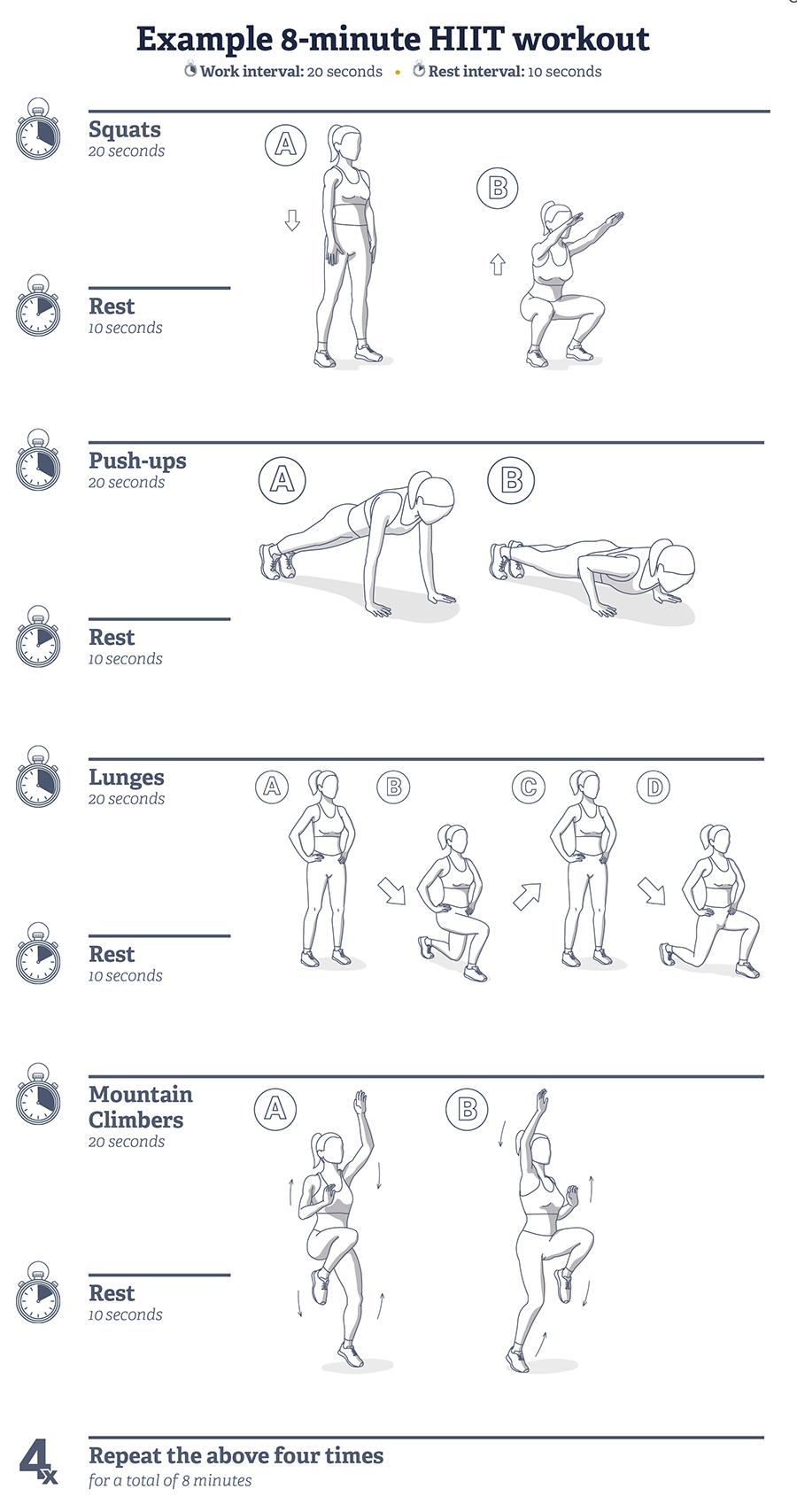
To create an effective interval workout plan, consider the following essential components that promise to enhance your cardio sessions. Start with your goals: Determine whether you’re aiming to lose weight, build endurance, or improve overall fitness. This will help you tailor your intervals effectively. Include a warm-up phase lasting about 5-10 minutes, gradually elevating your heart rate with dynamic stretches and light activity. Then, decide on your interval structure. A simple yet effective format might involve alternating between 30 seconds of high-intensity effort (like sprinting, biking fast, or high-knees) followed by 1-2 minutes of active recovery (such as walking or slow jogging). This balance ensures your workouts remain intense but manageable.
Incorporate a variety of exercises to keep things fresh and engaging. Consider mixing cardio machines like treadmills, bikes, and rowing machines with bodyweight exercises like burpees and jump squats. To facilitate your scheduling, use a table to track your weekly workouts and intensity levels:
| Day | Workout Type | Intensity |
|---|---|---|
| Monday | Treadmill Intervals | High-Intensity |
| Wednesday | HIIT Circuit | Mixed |
| Friday | Cycling Sprints | High-Intensity |
Be sure to listen to your body and adjust rest periods or intensities as needed. Allow for recovery days in between to prevent burnout and injury; consider light activities such as yoga or walking to enhance movement and flexibility. The key to maximizing efficiency is consistency combined with intentional growth – tackle longer or more challenging intervals as your stamina improves, maintaining your overall fitness journey engaging and effective.
Staying Motivated: Tips to Maintain Your Routine and Push Through Challenges
To keep your motivation high and effectively maintain your fitness routine, consider adopting these fundamental strategies: Set clear goals that are both realistic and time-bound to provide clear milestones you can celebrate. Incorporating variety in your workouts not only prevents boredom but also helps you discover new activities you enjoy. Utilize a fitness journal to track your progress, jot down your thoughts, and reflect on your accomplishments; seeing your growth on paper can reignite your passion for exercising.
When challenges arise, it is essential to have a toolbox of coping mechanisms. Engage in mindfulness techniques to stay connected to your body and mind, which can help reduce stress and enhance focus. Surround yourself with a supportive community, whether it’s through social media, local fitness groups, or workout buddies; sharing your journey with others can provide accountability and encouragement. Remember that setbacks are a part of the process. By employing a positive mindset and remaining adaptable, you can navigate through obstacles and continue progressing toward your fitness ambitions.
Nourishing Your Body: The Best Nutrition Practices to Complement Interval Training
To truly enhance the benefits of interval training, it’s essential to focus on nutrition that supports energy levels, recovery, and muscle repair. A balanced intake of macronutrients plays a key role here. Proteins, healthy fats, and carbohydrates should be strategically consumed to fuel high-intensity workouts and promote quick recovery. Consider incorporating the following foods into your diet:
- Lean meats for protein
- Quinoa and brown rice for carbohydrates
- Nuts and avocados for healthy fats
- Leafy greens for essential vitamins
- Greek yogurt for probiotics and additional protein
Timing your meals can make a significant difference in your training outcomes. Aim to consume a well-balanced meal or snack about 1-2 hours before your workouts, rich in carbs and moderate in protein to ensure you have sufficient energy. Post-workout nutrition is equally crucial; a meal that includes protein and carbs can replenish glycogen stores and facilitate muscle recovery. Consider the following simple table for optimal pre- and post-workout meal inspirations:
| Meal Type | Food Ideas |
|---|---|
| Pre-Workout | Banana with almond butter, whole grain toast with avocado |
| Post-Workout | Grilled chicken with quinoa, smoothie with protein powder and fruits |
In Summary
interval cardio is a powerful tool for anyone looking to enhance their fitness journey without dedicating long hours to traditional workouts. By incorporating bursts of high-intensity effort followed by brief periods of rest, you not only optimize fat burning but also elevate your cardiovascular health. The beauty of interval training lies in its adaptability; whether you’re a seasoned athlete or a beginner, there’s a version for you. As you rev up your fitness routine, remember that consistency and variety are key to sustaining your progress. So lace up those shoes, turn up the music, and embrace the rush of each invigorating session. Your body, mind, and spirit will thank you as you unlock a new level of vitality and strength. Get ready to hit the ground running—your interval adventure awaits!