


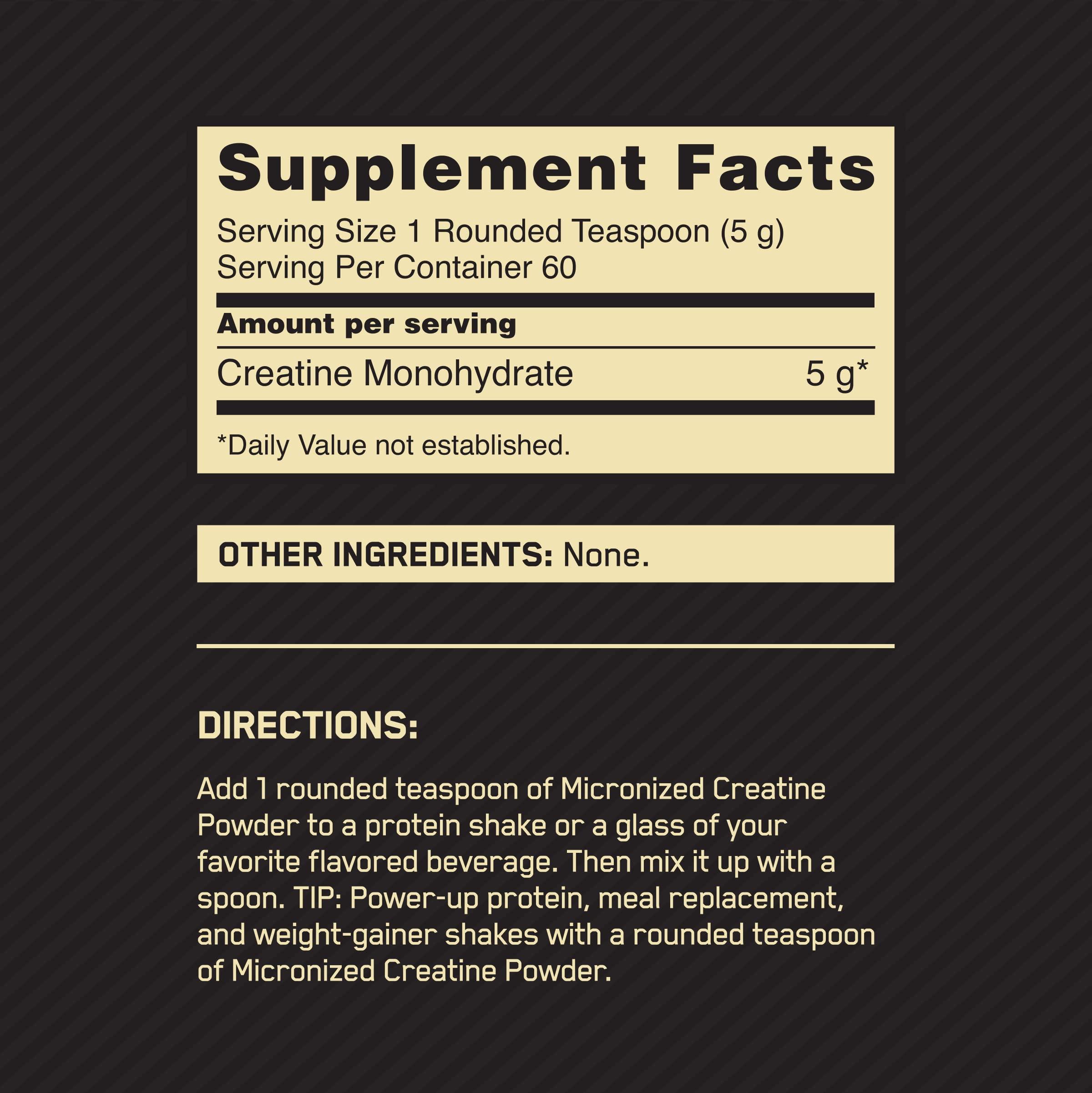
In the world of fitness and sports nutrition, few supplements have garnered as much attention—and research—as creatine. Often associated with bodybuilders and elite athletes, creatine has proven to be a powerhouse for those looking to enhance their physical performance and maximize their workout potential. But what exactly is creatine, and how can it benefit not just seasoned athletes but also casual gym-goers? In this article, we’ll delve into the science behind creatine, explore its various forms, and unpack the numerous advantages it offers for muscle building, recovery, and overall fitness. Whether you’re aiming to push through that last set, improve your endurance, or simply get more out of your exercise regimen, understanding creatine nutrition could be the key to unlocking your fitness goals. Join us as we explore how this remarkable compound can be a game changer in your approach to health and physical performance.
Table of Contents
- Understanding Creatine: The Science Behind Enhanced Performance
- Choosing the Right Type of Creatine for Your Fitness Goals
- How to Incorporate Creatine into Your Nutrition Plan
- Maximizing Results: Timing and Dosage Recommendations for Creatine Use
- To Conclude
Understanding Creatine: The Science Behind Enhanced Performance
Creatine is a naturally occurring compound primarily found in muscle cells and plays a pivotal role in the production of adenosine triphosphate (ATP), the energy currency of our body. When you engage in high-intensity activities, such as sprinting or heavy weightlifting, your body rapidly utilizes ATP. Supplementing with creatine increases the availability of phosphocreatine, which is essential for ATP replenishment, thus enabling you to perform better during short bursts of intense exercise. Below are some fascinating insights into how creatine enhances performance:
- Increased Muscle Energy: More creatine means more energy available during workouts, allowing for improved performance.
- Enhanced Recovery: Creatine aids in muscle recovery post-exercise, helping to reduce soreness and inflammation.
- Improved Muscle Mass: Regular supplementation can lead to increased muscle hypertrophy, contributing to a more pronounced physique.
The effects of creatine extend beyond just physical performance. Studies have shown that creatine supplementation can also benefit cognitive functions, enhancing mental clarity and focus. This neuroprotective aspect is particularly appealing for athletes needing to maintain high levels of concentration throughout their training or competition. A closer look at the science behind creatine reveals:
| Aspect | Benefit |
|---|---|
| ATP Production | Enhances energy availability for performance |
| Cognitive Function | Improves mental focus and clarity |
| Hydration | Pulls water into muscle cells, enhancing recovery |
Choosing the Right Type of Creatine for Your Fitness Goals
When it comes to enhancing athletic performance, understanding the different types of creatine available can significantly influence your results. Creatine monohydrate is the most well-researched and popular form, known for its effectiveness in increasing strength and muscle mass. However, there are several other types today that may cater more closely to specific fitness goals. Consider some of the following options:
- Creatine Ethyl Ester: This form is touted for better absorption and less water retention.
- Buffered Creatine: Designed to minimize digestive discomfort while maximizing effectiveness.
- Creatine Hydrochloride: Known for its potential to produce quicker results with smaller doses.
Choosing the right type often depends on your individual fitness goals and any specific concerns. For example, if your main objective is to build muscle efficiently, you might want to stick with creatine monohydrate. Alternatively, for those looking to gain muscle without excess water weight, creatine ethyl ester could be an ideal choice. A quick comparison of some popular types can help guide your decision:
| Type of Creatine | Benefits | Ideal For |
|---|---|---|
| Creatine Monohydrate | Proven effectiveness, affordable | General muscle building |
| Creatine Ethyl Ester | Enhanced absorption, less water retention | Athletes concerned about weight |
| Creatine Hydrochloride | Lower dosage needed, quick results | Fast-paced training regimens |
How to Incorporate Creatine into Your Nutrition Plan
Incorporating creatine into your nutrition plan can enhance your fitness journey significantly. To begin with, consider the following ways to seamlessly integrate creatine into your daily routine:
- Supplement Form: Choose a high-quality creatine monohydrate supplement. Mix it with water or your favorite post-workout shake.
- Pre-workout Inclusion: Add creatine to your pre-workout beverage. This can help boost your energy levels right before exercising.
- Meal Pairing: Combine creatine with carbohydrates, like a banana or a slice of toast. This aids in creatine absorption in your muscles.
Another effective strategy is to determine the right dosage for your body. Generally, a typical loading phase includes:
| Phase | Duration | Dosage |
|---|---|---|
| Loading Phase | 5-7 days | 20g per day (divided into 4 doses) |
| Maintenance Phase | Ongoing | 3-5g per day |
Remember to stay hydrated while supplementing creatine, as it can draw water into your muscle cells. Tailoring your creatine intake with these strategies can help you maximize its benefits in your fitness routine.
Maximizing Results: Timing and Dosage Recommendations for Creatine Use
To harness the full potential of creatine, timing and dosage play crucial roles. Studies suggest that consuming creatine close to your workout can enhance its effectiveness. Aim for a dosage of 3 to 5 grams per day for maintenance after a loading phase, if you choose to undertake one, which typically consists of taking 20 grams per day for 5-7 days. Spread your intake throughout the day to ensure consistent saturation of your muscles. Introducing creatine with carbohydrates can also improve its uptake thanks to insulin’s role in nutrient transportation.
In addition to the timing and dosage, it’s essential to consider individual responses when incorporating creatine into your regimen. Factors such as body weight, exercise intensity, and overall diet can influence how much creatine is needed for optimal benefits. Here’s a handy reference for quick dosage adjustments based on body weight:
| Body Weight (lbs) | Daily Dosage (grams) |
|---|---|
| 150 | 3-5 |
| 175 | 4-6 |
| 200 | 5-7 |
| 225+ | 6-8 |
For best results, consider maintaining a consistent hydration level, as creatine can lead to increased water retention in the muscles. Incorporating these strategies into your routine can help unlock the full range of benefits creatine has to offer, supporting your fitness journey effectively.
To Conclude
embracing creatine nutrition can be a game-changer for anyone looking to enhance their fitness journey. From improved strength and endurance to faster recovery times, the benefits of creatine are supported by a wealth of scientific research and real-world results. However, it’s essential to prioritize quality and dosage, tailoring your intake to suit your individual needs and goals.
As with any supplement, consulting with a healthcare or nutrition professional can provide personalized insights to maximize these gains. Whether you’re a seasoned athlete or just starting out, adding creatine to your nutrition regimen could be the key to unlocking your full potential. Remember, the journey to better fitness is multifaceted, and creatine can play a vital role in helping you achieve your goals. Start exploring its benefits today, and see how it can transform your workouts for the better!