


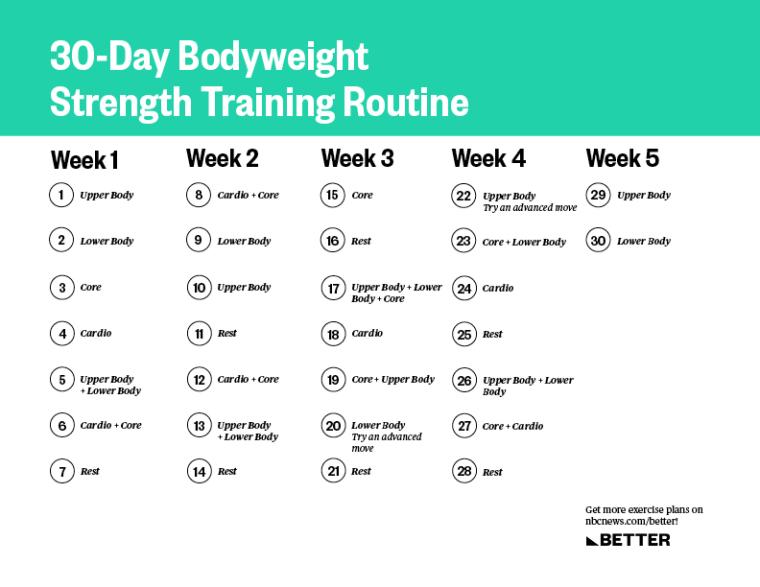
In the pursuit of fitness, many individuals seek to enhance both strength and endurance, two fundamental components that contribute to overall physical performance and health. Effective workout routines play a crucial role in achieving these goals, as they provide structured approaches to training that cater to varying fitness levels and objectives. This article explores various workout strategies designed to build strength and endurance, examining the principles behind their effectiveness and offering practical examples for implementation. Whether you are a beginner looking to establish a solid foundation or an experienced athlete aiming to refine your training regimen, understanding the elements of effective workout routines can empower you to optimize your results and enhance your physical capabilities.
Table of Contents
- Understanding the Principles of Strength and Endurance Training
- Creating a Balanced Workout Schedule for Optimal Results
- Incorporating Resistance Training Techniques for Enhanced Strength
- Integrating Cardiovascular Activities to Boost Overall Endurance
- Closing Remarks
Understanding the Principles of Strength and Endurance Training
Training for strength and endurance involves understanding the fundamental aspects of muscle physiology and energy systems. Strength training focuses on increasing muscular power through activities that promote hypertrophy and neuromuscular adaptations. Key elements include:
- Progressive Overload: Gradually increasing resistance to facilitate muscle growth.
- Varied Repetitions: Utilizing different rep ranges, like low reps for strength and high reps for endurance.
- Compound Movements: Incorporating exercises like squats and deadlifts that engage multiple muscle groups.
On the other hand, endurance training emphasizes the body’s ability to sustain prolonged physical activity. This is achieved through exercises that improve cardiovascular fitness and muscular stamina. Effective strategies include:
- Long, Steady-State Workouts: Activities performed at a moderate intensity to build aerobic capacity.
- Interval Training: Alternating between high-intensity efforts and rest periods to boost endurance and efficiency.
- Cross-Training: Mixing various forms of workout, such as cycling and running, to prevent overuse injuries and improve overall fitness.
Creating a Balanced Workout Schedule for Optimal Results
To achieve optimal results in your fitness journey, it’s essential to develop a balanced workout schedule that incorporates various elements of strength and endurance training. A well-structured routine considers your individual fitness level, goals, and time availability. Here are key components to include in your weekly plan:
- Resistance Training: Engage in full-body workouts at least 2-3 times a week focusing on major muscle groups.
- Cardiovascular Activities: Incorporate 150 minutes of moderate or 75 minutes of vigorous cardio each week, including activities like running, cycling, or swimming.
- Flexibility and Mobility: Dedicate time for stretching and mobility exercises at least 2 days a week to enhance your range of motion and prevent injuries.
- Active Recovery: Plan for lighter workout days or activities like yoga or walking to allow your body to recover.
To help structure your schedule, consider using a table format that allocates time effectively throughout the week. The example below demonstrates a balanced approach:
| Day | Workout Type | Duration |
|---|---|---|
| Monday | Strength Training | 60 mins |
| Tuesday | Cardio (Running) | 30 mins |
| Wednesday | Rest/Active Recovery | 30 mins |
| Thursday | Strength Training | 60 mins |
| Friday | Cardio (Cycling) | 45 mins |
| Saturday | Flexibility (Yoga) | 30 mins |
| Sunday | Rest | – |
Incorporating Resistance Training Techniques for Enhanced Strength
Resistance training is a fundamental component of any effective workout routine aimed at building strength. Integrating a variety of resistance training techniques can lead to improved muscular endurance and overall performance. Consider including the following methods in your regimen:
- Free Weights: Dumbbells and barbells can provide a versatile workout that engages multiple muscle groups while allowing for a range of motion.
- Bodyweight Exercises: Push-ups, squats, and lunges can enhance strength without equipment and can be performed anywhere.
- Resistance Bands: These tools are effective for both beginners and advanced athletes, adding tension to movements for greater muscle activation.
- Machine Weights: Utilizing machines can help target specific muscle groups with controlled movements, making them ideal for beginners.
Combining different resistance training techniques not only adds variety to your workouts but also promotes balanced muscle development. Incorporate structured progression by tracking your weights and repetitions over time. Below is a simple example of how to progressively increase your resistance training:
| Week | Exercise | Sets x Reps | Weight (lbs) |
|---|---|---|---|
| 1 | Bench Press | 3 x 8 | 100 |
| 2 | Bench Press | 3 x 8 | 105 |
| 3 | Bench Press | 4 x 6 | 110 |
| 4 | Bench Press | 4 x 6 | 115 |
Integrating Cardiovascular Activities to Boost Overall Endurance
Incorporating cardiovascular activities into your workout regimen is essential for enhancing overall endurance. These exercises not only elevate your heart rate but also improve blood circulation, facilitating greater oxygen delivery to your muscles. A well-structured cardio routine complements strength training by increasing energy levels and enabling longer, more efficient workouts. To achieve optimal results, consider integrating a mix of high-intensity interval training (HIIT) and steady-state cardio into your schedule.
To effectively balance your cardiovascular and strength training activities, aim for a combination of the following approaches:
- Interval Sprints: Short bursts of maximum-effort sprints followed by rest periods.
- Cycling: Engage in outdoor cycling or stationary bike sessions to build leg stamina.
- Jump Rope: A quick way to enhance agility and cardiovascular health.
- Swimming: An excellent full-body workout that is gentle on the joints.
| Cardio Activity | Duration | Frequency |
|---|---|---|
| Interval Sprints | 20 minutes | 3 times a week |
| Cycling | 30-45 minutes | 2-3 times a week |
| Jump Rope | 10 minutes | Daily |
| Swimming | 30 minutes | 2 times a week |
Closing Remarks
developing effective workout routines that focus on building both strength and endurance is essential for achieving overall fitness and enhancing physical performance. By incorporating a balance of resistance training, cardiovascular exercise, and sufficient recovery time, individuals can tailor their workouts to meet specific goals and adapt to their unique fitness levels. It is important to approach fitness with consistency and progressive overload while listening to one’s body to prevent injury. As always, consulting with a fitness professional can provide personalized guidance and ensure that workouts are both safe and effective. Ultimately, commitment to a well-rounded fitness regimen will lead to improvements in strength, endurance, and overall health.