


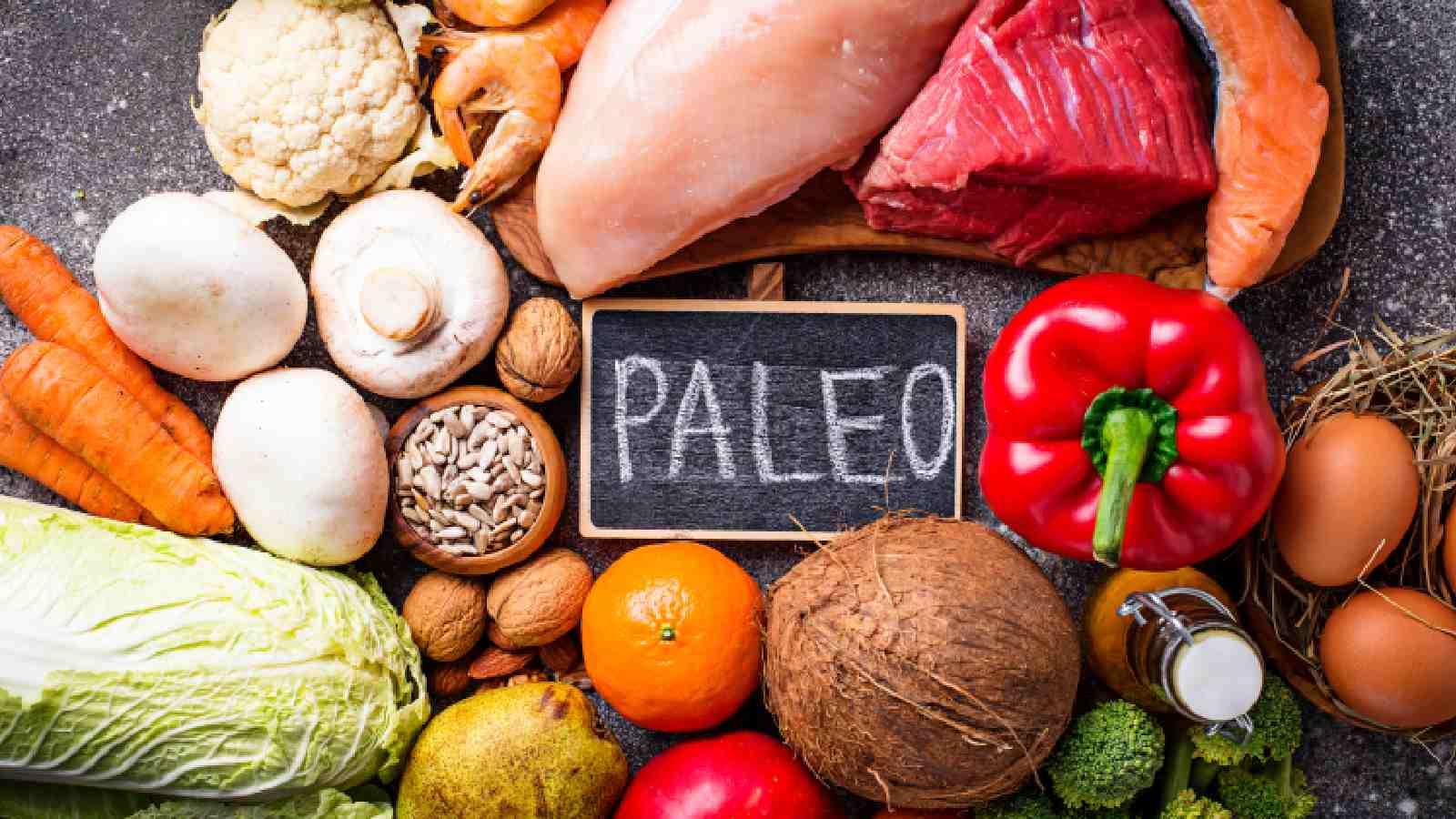
In a world where dietary fads flicker like fireflies on a summer evening, one concept has steadily shone through the clutter—the Paleo diet. Rooted in the ancient ways of our hunter-gatherer ancestors, this culinary approach invites modern eaters to step back in time, embracing a lifestyle that echoes the simplicity and purity of the diets our forebears thrived on. But what exactly does it mean to eat like a caveman, and why has this ancestral philosophy captivated the hearts and plates of so many in contemporary society? This article sets out to uncover the essence of the Paleo diet, exploring its principles, benefits, challenges, and the rich tapestry of history that informs today’s nutritional choices. Join us on a journey that melds the past with the present, as we delve into the implications of eating in harmony with our evolutionary heritage. Whether you’re a curious novice or a seasoned food explorer, the insights that follow may just redefine the way you think about food and nutrition.
Table of Contents
- Understanding the Foundations of the Paleo Diet and Its Ancestral Roots
- Navigating the Food Groups: What to Embrace and What to Avoid
- Crafting Your Paleo Meal Plan: Tips for Success and Variety
- The Science Behind Ancestral Eating: Health Benefits and Considerations
- To Conclude
Understanding the Foundations of the Paleo Diet and Its Ancestral Roots
The Paleo diet, often referred to as the “caveman diet,” draws inspiration from the dietary habits of our Paleolithic ancestors, who thrived on a variety of whole foods that were naturally available in their environment. This approach encourages the consumption of foods rich in nutrients, essential for both physical health and vitality. The fundamental principles of the Paleo diet can be encapsulated in a few key components:
- Whole Foods: Fresh fruits and vegetables, lean meats, fish, nuts, and seeds.
- Avoid Processed Foods: Steering clear of refined sugars, grains, and artificial additives.
- Focus on Quality: Choosing organic and grass-fed animal products whenever possible.
Understanding the ancestral roots of this dietary regime invites us to reflect on the evolutionary journey of humans. The nutritional patterns that served our ancestors not only supported their survival but also shaped their biology. Over millennia, our bodies have adapted to specific foods, underscoring the argument that contemporary diets high in processed ingredients can lack the essential nutrients required for optimal health. By reverting to the eating habits akin to those of our forebears, we aim to restore this balance and reclaim a healthier lifestyle.
| Food Group | Examples | Benefits |
|---|---|---|
| Fruits & Vegetables | Spinach, Berries, Carrots | Rich in vitamins and antioxidants |
| Meat & Fish | Chicken, Salmon, Bison | High in protein and omega-3 fatty acids |
| Nuts & Seeds | Almonds, Chia Seeds, Walnuts | Provide healthy fats and fiber |
Navigating the Food Groups: What to Embrace and What to Avoid
When embracing the Paleo diet, it’s essential to focus on whole, unprocessed foods that mirror the eating habits of our ancestors. This means prioritizing natural protein sources such as:
- Grass-fed meats – Rich in Omega-3 fatty acids and vitamin E
- Wild-caught fish – Packed with essential nutrients and lower in contaminants
- Free-range eggs – A great source of protein and healthy fats
In addition to quality proteins, embrace a variety of fresh fruits and vegetables, which contribute vital vitamins and minerals. However, there are certain foods to steer clear of on your Paleo journey. Avoid:
- Processed grains: Such as wheat, rice, and corn, which can cause inflammatory responses.
- Dairy products: Especially conventional options, as they can contribute to digestive issues.
- Refined sugars: Any form of sugar that has been heavily processed should be minimized.
Crafting Your Paleo Meal Plan: Tips for Success and Variety
To create a successful Paleo meal plan that keeps your taste buds dancing, consider a variety of whole, unprocessed foods. Embrace the bounty of nature by incorporating options such as:
- Fruits like berries, apples, and bananas
- Vegetables ranging from leafy greens to root vegetables
- Quality proteins including grass-fed meats, fish, and eggs
- Healthy fats such as avocados, nuts, and olive oil
Moreover, exploring different cooking methods can help you stay engaged and inspired. Think about grilling vegetables or making stir-fries; they not only enhance flavors but also preserve nutrients. To add more structure to your meals, consider using a simple table to organize your weekly meal prep. Below is a sample format you can adopt:
| Day | Breakfast | Lunch | Dinner |
|---|---|---|---|
| Monday | Scrambled eggs with spinach | Grilled chicken salad | Salmon with asparagus |
| Tuesday | Bacon and avocado | Beef stir-fry with broccoli | Zucchini noodles with meat sauce |
With a well-structured meal plan, you can easily diversify your food intake and ensure you’re getting a balanced array of nutrients. This approach not only simplifies grocery shopping but also minimizes food waste, making your journey into ancestral eating both sustainable and enjoyable.
The Science Behind Ancestral Eating: Health Benefits and Considerations
Ancestral eating, often characterized by its focus on whole, unprocessed foods, stems from the belief that our genetic make-up has evolved over millennia. Therefore, embracing this diet aligns with our biological needs. The Paleo diet, a popular form of ancestral eating, emphasizes the consumption of foods that our hunter-gatherer ancestors thrived on, such as:
- Lean meats – Grass-fed or wild-caught options are preferred.
- Fish and seafood – Rich in omega-3 fatty acids, beneficial for heart health.
- Fruits and vegetables – A variety for vitamins, minerals, and antioxidants.
- Nuts and seeds – Sources of healthy fats and protein.
- Healthy fats – Avocado, olive oil, and coconut oil for energy.
Research indicates that adopting principles of ancestral eating can lead to numerous health benefits. These may include improved metabolic health, weight management, and reduced inflammation. Furthermore, by eliminating processed foods, refined sugars, and chemical additives, individuals often report enhanced energy levels and clearer mental focus. However, it is essential to consider a balanced approach; not all modern dietary practices are harmful. A thoughtful integration of nutrient-dense foods, regardless of their classification, may be key to achieving optimal health without strict adherence to any one diet. Below is a comparison of common dietary practices in today’s society:
| Diet Type | Focus | Benefits |
|---|---|---|
| Paleo | Whole, unprocessed foods | Reduces inflammation, supports weight loss |
| Vegetarian | Plant-based foods | Heart health, lower cancer risk |
| Keto | High-fat, low-carb | Weight loss, improved insulin sensitivity |
| Standard American Diet | Processed foods, high sugars | Convenient, often less nutritious |
To Conclude
As we conclude our exploration of the Paleo diet, we invite you to reflect on the journey we’ve taken together through the landscape of ancestral eating. This approach, with its roots in the lifestyles of our hunter-gatherer ancestors, challenges us to reconsider our modern dietary choices and their impacts on our health and well-being.
While the Paleo diet offers a roadmap filled with whole foods and natural ingredients, it is essential to remember that every diet is not one-size-fits-all. Each individual’s relationship with food is unique, shaped by personal preferences, cultural influences, and specific health needs.
As you contemplate whether the Paleo way aligns with your own dietary philosophy, consider the wisdom of moderation and balance. Embracing the principles of whole, unprocessed foods can resonate across various eating plans, serving as a bridge to healthier choices regardless of the path you choose.
So, whether you embark on the Paleo path or forge your own trail, may your journey be guided by curiosity and grounded in understanding. Here’s to nourishing our bodies, honoring our past, and cultivating a brighter, healthier future, one meal at a time. Thank you for joining us on this insightful adventure into the world of ancestral eating.