


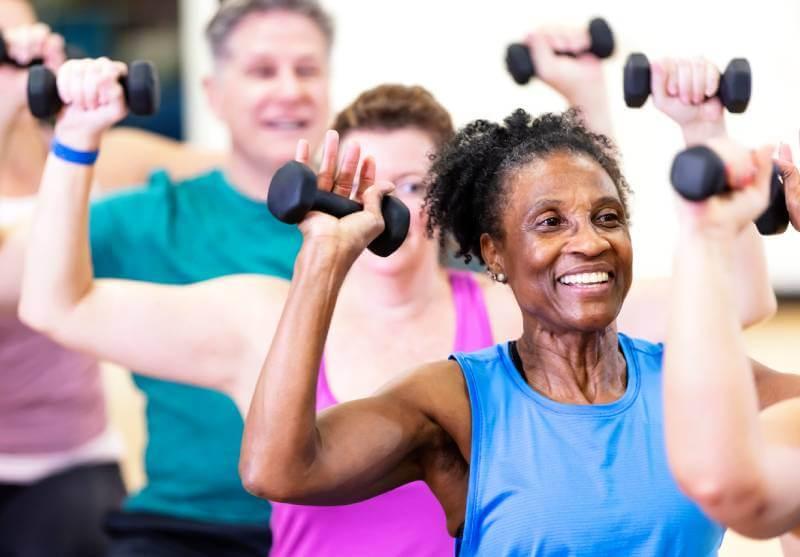
As the golden years approach, many seniors find themselves standing at the intersection of vitality and vulnerability. With the rhythms of daily life evolving, the importance of maintaining physical health becomes paramount. Enter “,” an innovative approach designed not only to elevate physical well-being but also to foster a sense of community and purpose. This program seeks to dispel the myths surrounding aging and fitness, offering tailored exercises that honor individual capabilities while promoting strength, flexibility, and balance. Through a blend of expert guidance and supportive camaraderie, this initiative aims to inspire seniors to embrace their potential and enhance their quality of life. Join us as we explore the transformative power of fitness, illuminating how seniors can thrive, not merely survive, in their later years.
Table of Contents
- The Importance of Physical Fitness for Seniors in Healthy Aging
- Tailored Exercise Plans: Meeting the Unique Needs of Older Adults
- Incorporating Strength, Flexibility, and Balance Training for Optimal Wellness
- Building Community through Group Fitness Activities for Seniors
- In Conclusion
The Importance of Physical Fitness for Seniors in Healthy Aging
Maintaining an active lifestyle is crucial for seniors, as it greatly contributes to both physical and mental well-being. Engaging in regular exercise helps to enhance strength, balance, and flexibility, which can prevent falls and injuries. Moreover, physical activity can combat common ailments such as arthritis, heart disease, and diabetes, ultimately promoting a healthier, more independent life. Regular workouts not only bolster physical health but also serve as an effective strategy to alleviate symptoms of depression and anxiety, offering a much-needed boost to overall mood and cognitive function.
Incorporating a variety of fitness activities into a senior’s routine can yield multiple benefits. Here are some essential components to consider for a well-rounded fitness program:
- Cardiovascular Exercises: Activities like walking, cycling, or swimming.
- Strength Training: Using light weights or resistance bands to improve muscle mass.
- Flexibility and Stretching: Gentle yoga or tai chi to improve range of motion.
- Balance Exercises: Simple standing or walking movements to enhance stability.
| Fitness Component | Frequency | Duration |
|---|---|---|
| Cardiovascular | 3-5 times a week | 30 minutes |
| Strength Training | 2-3 times a week | 20-30 minutes |
| Flexibility | Every day | 10-15 minutes |
| Balance | 3-4 times a week | 15-20 minutes |
Tailored Exercise Plans: Meeting the Unique Needs of Older Adults
Crafting exercise plans specifically for older adults involves a deep understanding of their unique needs and capabilities. As seniors experience changes in muscle mass, joint flexibility, and balance, exercise programs must be thoughtfully tailored to maintain their independence and improve quality of life. Effective plans often incorporate a blend of activities to enhance strength, flexibility, and cardiovascular health. Some key components include:
- Strength training: Using light weights or resistance bands to build muscle.
- Balance exercises: Activities like tai chi to prevent falls.
- Cardiovascular activities: Low-impact options such as walking or swimming.
- Flexibility routines: Gentle stretching to maintain a range of motion.
Regular assessments are crucial to ensure these exercise plans remain effective and safe. As older adults progress, modifications can be made to increase intensity or introduce new activities, keeping the program engaging and aligned with their evolving fitness levels. Below is an example of a simple weekly exercise schedule that accommodates various abilities:
| Day | Activity | Duration |
|---|---|---|
| Monday | Strength Training | 30 minutes |
| Wednesday | Walking | 30 minutes |
| Friday | Tai Chi | 45 minutes |
| Saturday | Stretching | 20 minutes |
Incorporating Strength, Flexibility, and Balance Training for Optimal Wellness
To achieve a holistic approach to fitness, it is crucial to integrate strength, flexibility, and balance training into a comprehensive program tailored for seniors. Strength training enhances muscle resilience, which is vital for maintaining independence in daily activities. This can be achieved through exercises such as squats, resistance band workouts, and light weightlifting. Moreover, incorporating flexibility training via activities like yoga or gentle stretching helps improve mobility and reduces the risk of injury, allowing seniors to perform movements with ease. Additionally, focusing on balance training through exercises like standing on one leg or tai chi can dramatically reduce the risk of falls, promoting safety and confidence in movement.
In order to craft an efficient program, a balanced weekly schedule can guide participants to work on all three domains. A recommended structure could be:
| Day | Activity |
|---|---|
| Monday | Strength Training (Upper Body) |
| Wednesday | Balance Exercises (Tai Chi) |
| Friday | Flexibility Training (Yoga) |
| Saturday | Strength Training (Lower Body) |
By interspersing these elements throughout the week, participants will not only build a resilient body but also foster mental well-being, encouraging a sense of accomplishment and joy in their fitness journey. Engaging in combined workouts challenges the body in diverse ways, ensuring that every session remains stimulating and beneficial.
Building Community through Group Fitness Activities for Seniors
Group fitness activities foster a sense of belonging among seniors, creating a vibrant atmosphere where friendships can flourish. Participating in these classes allows older adults to connect with peers who share similar health goals and interests, breaking down feelings of isolation. Engaging in regular exercise together not only enhances physical health but also promotes mental well-being, as the laughter and camaraderie experienced during workouts can elevate spirits and build lasting bonds. Seniors can look forward to each session, eager not just for the workout but for the opportunity to be surrounded by a supportive community.
To ensure a holistic approach to senior fitness program, it’s essential to design activities that cater specifically to their needs. Here are some popular group fitness activities that can be implemented:
- Chair Yoga: Enhances flexibility and balance.
- Water Aerobics: Provides low-impact resistance training.
- Walking Clubs: Encourages social interaction and outdoor enjoyment.
- Dance Classes: Boosts cardiovascular health and coordination.
Creating a structured schedule with these activities can encourage commitment and regular attendance. Below is an example of a simple weekly fitness program for seniors:
| Day | Activity | Time |
|---|---|---|
| Monday | Chair Yoga | 10:00 AM – 11:00 AM |
| Tuesday | Water Aerobics | 1:00 PM – 2:00 PM |
| Wednesday | Walking Club | 9:00 AM – 10:00 AM |
| Thursday | Dance Class | 10:00 AM – 11:00 AM |
| Friday | Stretch and Strengthen | 10:00 AM – 11:00 AM |
In Conclusion
“” offers more than just physical enhancement; it embodies a philosophy of vitality, independence, and lifelong wellness. As we navigate the golden years of life, embracing a tailored fitness regimen becomes not only a tool for better health but a pathway to renewed confidence and connection.
Through the careful integration of strength, flexibility, balance, and endurance exercises, seniors can reclaim their empowerment, proving that age is merely a number on the journey toward an active and fulfilling life. With dedicated programs designed to suit diverse abilities, the potential for growth and enjoyment is boundless.
Let us foster communities that support and celebrate the strength of our elders, ensuring that fitness remains an accessible and enjoyable pursuit. Remember, every step taken and every stretch made is a step toward a healthier, more vibrant future. The journey to empowerment is a lifelong endeavor—let’s embrace it together.