


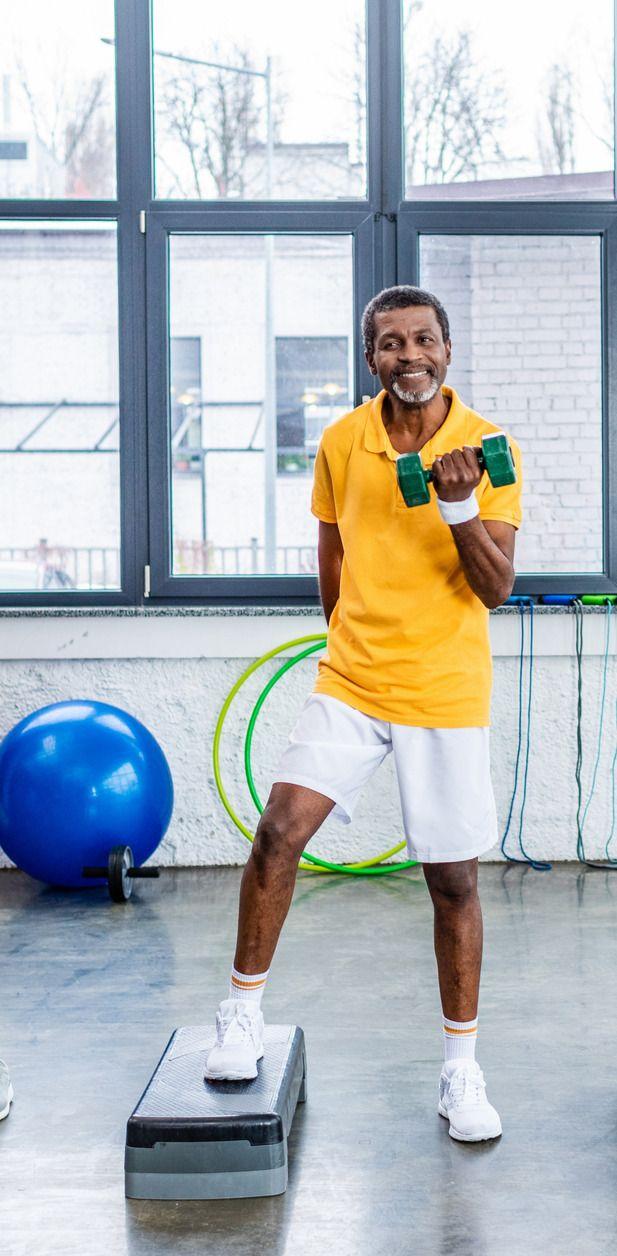
Hey there, balance enthusiasts! Whether you’re an athlete looking to up your game, a weekend warrior trying to avoid face-planting on your next hike, or just someone aiming to stay steady on your feet as you age, mastering balance training is a game changer. It’s not just for gym rats or yogis; it’s for everyone! Believe it or not, improving your balance can enhance your coordination, boost your strength, and even ramp up your overall fitness. Plus, it can save you from those embarrassing slips and trips that can happen when you least expect it. In this article, we’ll break down some easy-to-follow tips and tricks to help you build that rock-solid stability, no matter your fitness level. Let’s dive in and get ready to steady up!
Table of Contents
- Understanding the Importance of Balance Training for Everyday Life
- Top Exercises to Kickstart Your Balance Journey
- Easy Tips to Incorporate Balance Training into Your Routine
- Overcoming Common Challenges in Balance Training
- To Wrap It Up
Understanding the Importance of Balance Training for Everyday Life
Balance training is essential for everyone, no matter your age or fitness level. It helps to enhance your physical stability, allowing you to navigate daily activities with ease. By improving your balance, you reduce the risk of falls, which can lead to serious injuries, especially for older adults. Furthermore, better balance improves your coordination and agility, making activities like dancing, sports, and even simple errands like grocery shopping, more enjoyable and safe. Here are some key benefits:
- Enhanced stability: Feel more secure while standing or walking.
- Injury prevention: Strengthens muscles and joints to protect against falls.
- Improved posture: Encourages better alignment of your body.
Incorporating balance training into your routine doesn’t have to be complicated. Simple exercises like standing on one leg, heel-to-toe walks, or even practicing yoga poses can be incredibly beneficial. Even daily activities can serve as opportunities for balance training; for instance, try standing on one foot while brushing your teeth or doing calf raises while waiting for your coffee to brew. Here’s a quick overview of exercises you might consider:
| Exercise | Benefits |
|---|---|
| Single Leg Stand | Builds leg strength and stability |
| Heel-to-Toe Walk | Improves coordination and focus |
| Balance Beam | Enhances core strength and confidence |
Top Exercises to Kickstart Your Balance Journey
Balancing is more than just standing on one leg; it’s about engaging your entire body and boosting your overall stability. To get started, try incorporating these dynamic exercises into your routine:
- Single-Leg Stands: Take a deep breath, lift one leg, and hold for 30 seconds. Switch sides and feel the burn!
- Heel-to-Toe Walk: Take a stroll in a straight line, placing your heel directly in front of your toes with each step. Channel your inner tightrope walker!
- Balance Cushion Squats: Stand on a balance cushion and perform squats. It’s like lifting weights while riding a wobbly bike—challenging yet rewarding!
For those looking to spice things up, why not keep track of your progress with these fun balance challenges? Try to balance for longer or add in arm movements to increase the difficulty. Here’s a simple table to help you monitor your achievements:
| Exercise | Best Time (seconds) | Notes |
|---|---|---|
| Single-Leg Stand | 45 | Remember to keep your core tight! |
| Heel-to-Toe Walk | 10 steps | Try it with eyes closed for extra challenge! |
| Balance Cushion Squats | 5 reps | Keep your knees behind your toes! |
Easy Tips to Incorporate Balance Training into Your Routine
Incorporating balance training into your daily routine doesn’t have to be a chore; it can actually be fun! Start small by integrating simple exercises into your existing workouts or daily activities. Here are a few suggestions to make it easier:
- Stand on one leg while brushing your teeth or waiting for the kettle to boil.
- Use balance boards or stability balls during your workouts to engage your core and improve your stability.
- Walk heel-to-toe in a straight line for a minute as a quick balance challenge.
To further enhance your balance training, consider joining classes or incorporating specific workout tools into your regime. Whether it’s yoga or Pilates, these disciplines already emphasize balance and stability. Additionally, technology can come in handy! Try using a balance app or follow online videos that guide you through various balance drills. Here’s a quick overview of tools you can use:
| Tool | Purpose |
|---|---|
| Balance Board | Engages core muscles and improves overall balance. |
| Stability Ball | Enhances workout difficulty and targets balance. |
| Foam Roller | Used for balance exercises and muscle recovery. |
Overcoming Common Challenges in Balance Training
Balance training can be a bumpy ride, especially when you’re just starting out or if you face some physical challenges. One common issue is the fear of falling or losing stability. To tackle this, try incorporating exercises that build your confidence. Include modifications such as:
- Using a wall or sturdy furniture for support
- Starting with simple movements like standing on one foot
- Gradually increasing difficulty with closed eyes or uneven surfaces
Another hurdle is the lack of motivation, particularly if progress feels slow. To keep the momentum going, setting achievable goals can make a world of difference. Consider the following strategies:
- Track your improvements in a fun way, like using a balance board game
- Join a local class or group for accountability
- Pair up with a friend for joint training sessions
To Wrap It Up
As we wrap up our journey through the world of balance training, remember that mastering this skill isn’t just for athletes or gym buffs. It’s for everyone—whether you’re looking to enhance your sports performance, prevent falls, or simply want to navigate your daily life with a bit more steadiness. So, don’t be shy! Pick a few exercises from our tips, make them part of your routine, and watch your stability skyrocket.
Just like any skill, balance takes practice, so be patient with yourself. Celebrate the small victories, like standing on one foot without wobbling or gracefully navigating uneven surfaces. The benefits go beyond physical stability; they spill over into your confidence and overall wellness.
So, grab a friend or family member, get moving, and make balance training a fun, regular part of your life. Your body (and your future self) will thank you for it. Now go out there and steady up!