


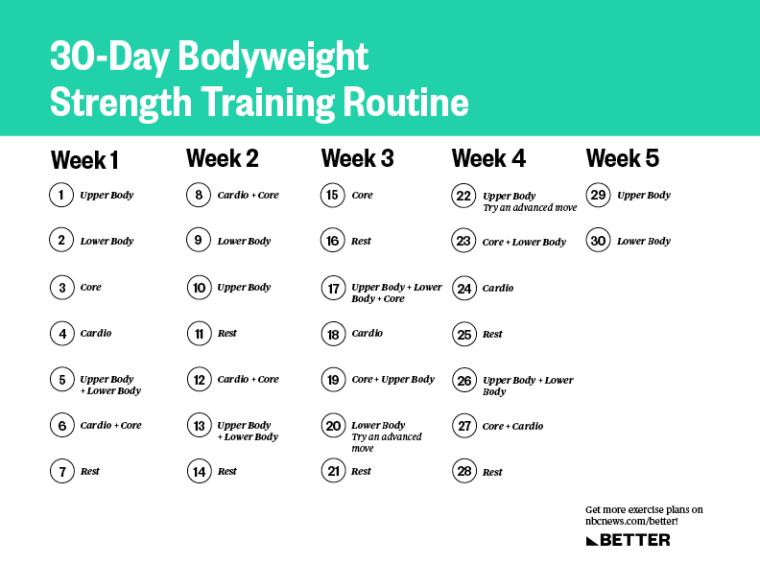
In an age where health and fitness have become a central focus for many individuals, understanding how to optimize weight loss through effective workout routines is crucial. The relationship between physical activity and weight management is well-documented, with numerous studies highlighting the impact of structured exercise on calorie expenditure and overall wellness. This article aims to explore various workout routines tailored for weight loss, examining their effectiveness, the science behind them, and practical considerations for individuals seeking to achieve their fitness goals. By analyzing diverse exercise modalities, this discussion will provide insights into creating a balanced and sustainable approach to weight loss through physical activity.
Table of Contents
- Understanding the Role of Exercise in Weight Loss
- Key Components of an Effective Workout Routine
- Types of Workouts: Strength Training vs. Cardio for Weight Loss
- Setting Realistic Goals and Measuring Progress in Weight Management
- To Wrap It Up
Understanding the Role of Exercise in Weight Loss
Exercise plays a pivotal role in the weight loss journey, serving not only to burn calories but also to build muscle and boost metabolism. Regular physical activity creates a calorie deficit, which is essential for losing weight. Engaging in a combination of aerobic and strength training exercises can maximize fat loss while preserving lean muscle mass. Aerobic exercises such as running, cycling, and swimming can enhance cardiovascular health and endurance, while strength training promotes muscle growth and metabolic efficiency.
It is essential to adopt a well-rounded workout routine tailored to individual needs and preferences. Incorporating a mix of high-intensity interval training (HIIT) and steady-state cardio can help sustain engagement and prevent monotony. Here are some effective types of exercises that can be integrated into a comprehensive weight loss program:
- HIIT Workouts: Short bursts of intense activity followed by rest.
- Resistance Training: Using weights or body weight to build strength.
- Functional Training: Movements that enhance daily activities.
- Yoga or Pilates: Improving flexibility and core strength.
Key Components of an Effective Workout Routine
To design a successful workout routine for weight loss, it’s essential to incorporate a blend of various exercise types. Cardiovascular training, such as running, cycling, or swimming, plays a pivotal role in burning calories. This should be performed at a moderate to high intensity for at least 150 minutes a week. Additionally, include strength training routines to build muscle, which in turn boosts metabolism. Aim for at least two sessions per week, focusing on major muscle groups. Furthermore, flexibility exercises, such as stretching or yoga, help improve range of motion and prevent injuries, ensuring you can maintain consistency in your routine.
Tracking workout progress and adjusting routines over time is vital for sustaining motivation and achieving long-term goals. Consider the following key components to integrate into your regimen:
- Variety: Change exercises regularly to challenge different muscle groups.
- Consistency: Establish a schedule that fits your lifestyle to promote regular attendance.
- Recovery: Incorporate rest days to allow muscles to rebuild and avoid burnout.
- Nutrition: Pair your workout regimen with a balanced diet to support your weight loss efforts.
Using a structured approach will not only help you stay committed but also optimize results over time.
Types of Workouts: Strength Training vs. Cardio for Weight Loss
When it comes to weight loss, both strength training and cardio play pivotal roles, each contributing to body transformation in unique ways. Strength training focuses on building muscle mass, which increases resting metabolic rate, leading to more calories burned even when at rest. This method commonly includes activities such as weight lifting, resistance exercises, and bodyweight workouts that target specific muscle groups. Benefits of strength training include:
- Enhanced muscle definition
- Improved bone density
- Increased metabolic rate
- Better body composition
On the other hand, cardiovascular exercise is paramount for developing heart health and burning calories efficiently. This type of workout can take various forms, including running, cycling, swimming, and high-intensity interval training (HIIT). Cardio workouts tend to provide immediate calorie expenditure but may not yield the same long-term metabolic benefits as strength training. Key highlights of cardio include:
- Improved cardiovascular efficiency
- Increased stamina and endurance
- Quick calorie burn during workouts
- Potential mood elevation through endorphin release
Setting Realistic Goals and Measuring Progress in Weight Management
Establishing feasible expectations is essential in any weight management journey. It’s crucial to break down your ultimate goal into smaller, achievable milestones. These can include specific weight loss targets, fitness achievements, or even dietary changes. When setting these benchmarks, consider using the SMART criteria: goals should be Specific, Measurable, Achievable, Relevant, and Time-bound. This approach not only enhances motivation but also keeps you focused and accountable. Regularly reviewing and adjusting your objectives as necessary can help you stay on track while facing the challenges that come with lifestyle changes.
Tracking your progress effectively is equally as important as setting goals. Utilize tools such as food diaries, fitness apps, or wearables to monitor your activities and calorie intake. Consider keeping a weekly journal to document not only your weight but also how you feel physically and mentally throughout your journey. A simple table can help you visualize your progress:
| Date | Weight (lbs) | Exercise Duration (mins) | Calories Consumed |
|---|---|---|---|
| Week 1 | 150 | 30 | 1500 |
| Week 2 | 148 | 35 | 1450 |
| Week 3 | 146 | 40 | 1400 |
This table allows for easy reflection and encourages positive reinforcement by showcasing your dedication to physical health. Over time, you can evaluate trends, identify areas for improvement, and celebrate your successes, no matter how small they may seem.
To Wrap It Up
implementing an effective workout routine is a crucial component of any weight loss strategy. By understanding the principles of exercise physiology and integrating a balanced mix of cardiovascular training, strength building, and flexibility exercises, individuals can create a sustainable regimen tailored to their personal goals and preferences. It is essential to maintain consistency while also allowing for adequate recovery, as both factors play significant roles in optimizing weight loss outcomes. Additionally, pairing these routines with a mindful approach to nutrition can enhance results, fostering a holistic lifestyle that supports overall health and well-being. As with any fitness journey, consulting with a qualified professional can provide personalized insights and guidance, increasing the likelihood of long-term success in achieving weight loss objectives.