


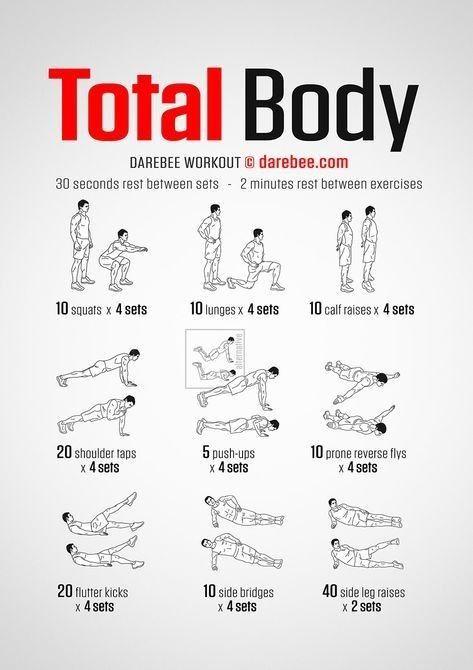
In recent years, full-body workouts have gained popularity among fitness enthusiasts and casual exercisers alike, offering an efficient and effective approach to physical training. These workouts engage multiple muscle groups in a single session, promoting improved strength, endurance, and overall physical fitness. As individuals increasingly seek exercise routines that fit into busy lifestyles, full-body workouts present a time-saving solution without sacrificing effectiveness. This article will explore the various benefits of full-body workouts, including their impact on metabolism, muscle development, and functional fitness. Additionally, we will examine different techniques and methodologies for implementing full-body workouts, catering to a range of fitness levels and goals. By understanding these elements, individuals can make informed choices about incorporating full-body training into their fitness regimen.
Table of Contents
- Benefits of Full-Body Workouts for Overall Fitness
- Effective Techniques for Designing a Full-Body Workout Routine
- Incorporating Functional Movements into Full-Body Workouts
- Tips for Optimizing Recovery and Nutrition in Full-Body Training
- In Retrospect
Benefits of Full-Body Workouts for Overall Fitness
Full-body workouts offer numerous advantages for individuals looking to enhance their overall fitness. One of the primary benefits is time efficiency. By engaging multiple muscle groups in a single session, you can accomplish a comprehensive workout in less time compared to split routines. This is especially advantageous for those with busy schedules who still want to maintain a consistent fitness regime. Additionally, full-body workouts promote improved athletic performance by developing strength, stamina, and flexibility across the entire body. As a result, you can see progress in various physical activities, from running to weightlifting.
Moreover, these workouts can lead to enhanced metabolic function and greater calorie burn. When multiple muscle groups are activated simultaneously, your body expends more energy during and after the workout. Some key benefits include:
- Increased muscle engagement
- Boost in overall endurance
- Enhanced weight loss potential
- Reduced risk of burnout and injury
A well-structured full-body workout plan can provide balanced strength development and workout variety, which keeps motivation high. To illustrate the effectiveness of full-body workouts, consider the following table that compares various workout methods:
| Workout Type | Session Duration | Muscle Groups Targeted | Calorie Burn |
|---|---|---|---|
| Full-Body Workout | 30-60 mins | All major muscle groups | 400-600 calories |
| Split Routine | 60-90 mins | Specific muscle groups | 300-500 calories |
| Cardio Focused | 30-60 mins | Cardio system | 300-700 calories |
Effective Techniques for Designing a Full-Body Workout Routine
Designing an effective full-body workout routine requires a balanced approach that incorporates various exercise modalities to target all major muscle groups. Start by employing compound movements such as squats, deadlifts, and bench presses. These exercises engage multiple joints and muscle groups, maximizing efficiency and metabolic response. Additionally, consider incorporating bodyweight exercises like push-ups, pull-ups, and lunges, which can be modified to fit various fitness levels. This variety not only enhances overall strength and endurance but also prevents workout monotony.
To ensure your routine is well-rounded, aim to include cardiovascular, strength, and flexibility components. A simple structure might look like the following:
| Component | Example Exercises |
|---|---|
| Cardio | Running, Cycling, Jump Rope |
| Strength | Squats, Push-ups, Rows |
| Flexibility | Yoga, Stretching, Foam Rolling |
schedule your workouts wisely, allowing for appropriate rest intervals and recovery days. This strategy not only aids muscle repair but also reduces the risk of injury, ensuring long-term adherence to the routine.
Incorporating Functional Movements into Full-Body Workouts
can significantly enhance strength, stability, and coordination. Functional movements mimic everyday activities, engaging multiple muscle groups and joints, which improves your overall physical performance. Exercises like squats, lunges, push-ups, and kettlebell swings not only build muscle but also promote better posture and movement patterns. Some key benefits include:
- Improved Core Stability: Engaging the core during functional movements supports spinal alignment.
- Efficiency: Working multiple muscle groups simultaneously saves time while maximizing calorie burn.
- Enhanced Balance and Coordination: Performing dynamic movements challenges your balance, improving neuromuscular control.
To effectively integrate these movements, consider structuring your workouts to include exercises that flow naturally from one to another. A typical session may start with a compound lift, follow with functional movements, and wrap up with dynamic stretches. Below is a simple example of a functional full-body workout plan:
| Exercise | Reps | Sets |
|---|---|---|
| Squats | 10-15 | 3 |
| Push-ups | 8-12 | 3 |
| Lunges | 10 (each leg) | 3 |
| Kettlebell Swings | 15-20 | 3 |
Tips for Optimizing Recovery and Nutrition in Full-Body Training
To enhance recovery and nutrition in a full-body training regimen, it’s essential to focus on several key factors that can significantly impact performance and results. Proper hydration is crucial; aim to drink at least half your body weight in ounces of water daily. Incorporating micronutrient-rich foods can support overall health and recovery. Create balanced meals that include:
- Lean Proteins: chicken, fish, legumes
- Healthy Fats: avocados, nuts, olive oil
- Whole Grains: brown rice, quinoa, oats
- Fruits and Vegetables: a variety of colorful options for vitamins and minerals
Additionally, consider implementing a structured recovery routine that includes active recovery days and quality sleep, as both are vital for muscle repair and growth. Incorporate techniques such as foam rolling or yoga to alleviate muscle soreness and improve flexibility. A recovery timeline can help track these elements:
| Recovery Element | Recommended Timeframe |
|---|---|
| Foam Rolling | 10-15 minutes post-workout |
| Active Recovery (light cardio) | 1-2 days after intense workouts |
| Sleep | 7-9 hours nightly |
In Retrospect
full-body workouts offer a range of benefits that can enhance overall fitness and streamline workout routines. By engaging multiple muscle groups in a single session, these workouts promote balanced strength development, improved cardiovascular health, and efficient calorie burning. Additionally, the versatility in training techniques, including resistance training, bodyweight exercises, and high-intensity interval training (HIIT), allows individuals to tailor their routines to suit diverse fitness levels and preferences. As with any fitness regimen, it is essential to approach full-body workouts with proper form, adequate recovery, and a well-rounded program to maximize results and minimize the risk of injury. Whether you are a seasoned athlete or a newcomer to exercise, incorporating full-body workouts into your training plan can contribute significantly to achieving a holistic approach to health and wellness.