


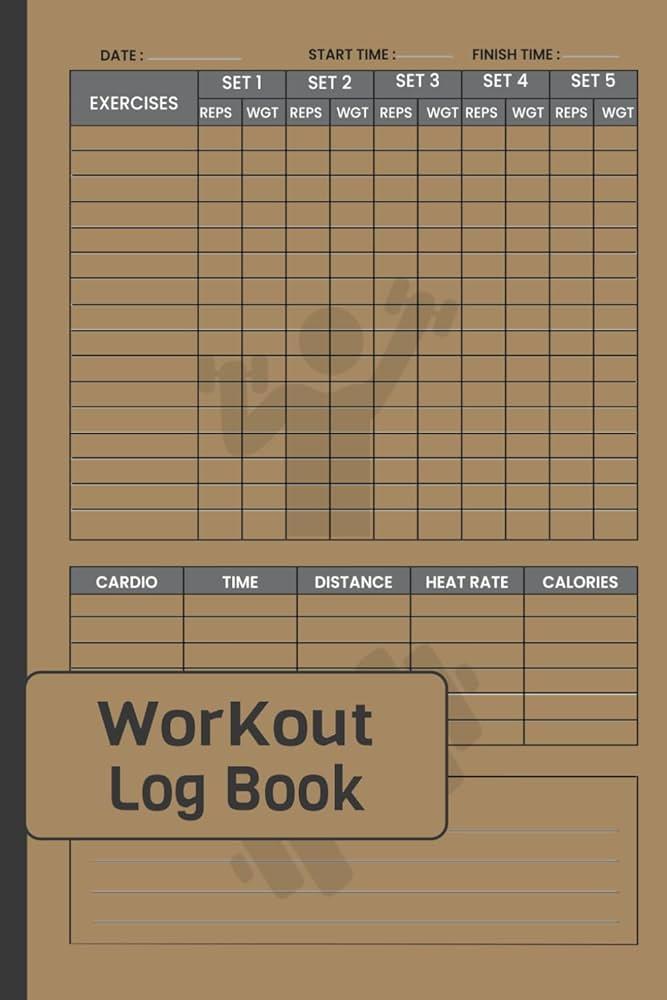
In the pursuit of fitness, cardio routines often serve as the heartbeat of our training regimens, propelling us towards our health and wellness goals. Yet, how do we truly know if we are making strides in our journey? Mapping your journey through effective tracking methods unveils not just numbers or statistics, but the evolution of your endurance, stamina, and overall well-being. This article delves into various approaches to monitor your cardio progress, transforming the abstract journey into a visual and measurable experience. From traditional logs and wearable technology to innovative apps and community challenges, discover the tools and techniques that can illuminate your path and inspire your milestones, ensuring that every heartbeat counts towards a healthier you.
Table of Contents
- Understanding Your Baseline: The Importance of Initial Assessments
- Choosing the Right Tools: Technology and Techniques for Monitoring Progress
- Setting Achievable Milestones: Crafting a Roadmap to Success
- Reflecting and Adjusting: The Key to Continuous Improvement in Cardio Training
- Closing Remarks
Understanding Your Baseline: The Importance of Initial Assessments
Before embarking on any cardio journey, understanding where you currently stand is crucial. Conducting initial assessments serves as a crucial foundation for measuring your progress over time. At this early stage, consider evaluating various factors that contribute to your cardiovascular fitness, such as resting heart rate, VO2 max, and overall endurance. This step allows you not only to set realistic goals but also to create a tailored workout plan that meets your specific needs. For example, if you discover that your endurance levels are lower than expected, you can adjust your training regimen to emphasize activities that build stamina, such as running, cycling, or swimming.
Furthermore, tracking your baseline metrics opens up a pathway for informed decision-making throughout your training. By revisiting your initial assessments regularly, you can gain insights into how your body is adapting to your cardio program. To effectively capture this data, consider these essential components to include in your tracking routine:
- Frequency of workouts: Log how often you engage in cardio exercises.
- Workout duration: Track the length of each session to ensure consistency.
- Intensity levels: Monitor how hard you’re pushing yourself during each workout.
- Recovery periods: Note how your body feels post-exercise to gauge your recovery process.
Choosing the Right Tools: Technology and Techniques for Monitoring Progress
Embarking on a journey to monitor your cardio progress can be a transformative experience, especially when equipped with the right tools. Modern technology has made it easier than ever to gather data and visualize your achievements. Consider investing in devices like fitness trackers or smartwatches, as they can measure heart rate, distance, and calories burned in real time. Additionally, mobile applications provide a versatile platform for tracking your activities, offering features such as:
- GPS Tracking: For accurate distance measurement during outdoor runs or cycling.
- Customizable Workout Plans: Tailored schedules to help you stay on track.
- Progress Charts: Visual representations of your improvements over time.
Complementing technology with time-tested techniques can enhance your tracking journey even further. Keeping a dedicated journal can help you capture insights that stats alone may not reveal. Use a simple format like this to log essential data:
| Date | Activity Type | Duration | Notes |
|---|---|---|---|
| 2023-10-01 | Running | 30 minutes | Felt great, pushed myself. |
| 2023-10-03 | Cycling | 45 minutes | Experienced some fatigue but enjoyed the ride. |
This blend of technology and personal reflection will ensure you don’t just track your numbers—you’ll also understand your personal journey and growth along the way.
Setting Achievable Milestones: Crafting a Roadmap to Success
Setting achievable milestones is essential in any cardio program, as it helps maintain motivation and provides clear indicators of progress. These milestones can vary based on individual goals, fitness levels, and preferences. By breaking down your long-term objectives into smaller, manageable targets, you pave the way for sustainable success. Consider using these approaches to define your milestones:
- Time-based goals: Aim to increase workout duration or frequency over a set period.
- Distance benchmarks: Track the progression of distances covered in running, cycling, or walking.
- Performance metrics: Focus on improvements in your heart rate, stamina, or recovery times.
As you develop these milestones, implementing a structured tracking system can significantly enhance your ability to measure progress. Utilizing tools like fitness apps, journals, or specialized tracking tables will help consolidate your plan. Here’s a simple tracking table to get you started:
| Milestone | Target Date | Status |
|---|---|---|
| Run 5K | 1 Month | In Progress |
| Cycling 20 Miles | 2 Months | Not Started |
| Reduce Resting Heart Rate | 3 Months | Achieved |
Reflecting and Adjusting: The Key to Continuous Improvement in Cardio Training
Success in cardio training doesn’t happen in a vacuum; it’s an evolving process that thrives on reflection and adjustment. To foster continuous improvement, you should regularly assess your training methods, endurance levels, and overall well-being. Begin by meticulously tracking your workouts using a cardio journal or digital app, documenting aspects such as duration, intensity, heart rate, and feelings post-exercise. This logging not only helps in identifying patterns but also provides invaluable insights into what works and what doesn’t. Remember to ask yourself thought-provoking questions like:
- How did I feel during and after the session?
- Was I able to maintain my target heart rate?
- Did I experience any discomfort or fatigue?
Once you have a repertoire of data, it’s time to adapt your approach to maximize your performance. Regularly revisiting your goals is crucial; if you find that a certain routine no longer challenges you, it may be time to increase intensity or diversify your workouts. Consider establishing a feedback loop with your progress. A simple table can help visualize this shift:
| Week | Distance (miles) | Average Heart Rate (bpm) | Feeling (1-10) |
|---|---|---|---|
| 1 | 5 | 150 | 6 |
| 2 | 6 | 155 | 7 |
| 3 | 7 | 160 | 8 |
By consistently reflecting on your data and adjusting your training accordingly, you’ll create a personalized journey toward greater cardiovascular fitness, taking each step with intention and insight.
Closing Remarks
As we conclude our exploration of tracking cardio progress, it becomes clear that mapping your journey is not merely about numbers and metrics; it’s a holistic endeavor that intertwines ambition, discipline, and self-discovery. By employing effective strategies—from the simplicity of a journal to the sophistication of fitness apps—you can create a personalized roadmap that guides you toward your health and fitness goals. Remember, each step you take is not just a measure of distance but a testament to your dedication and resilience. Embrace the process, celebrate your milestones, and allow your evolving story to inspire not just yourself, but those around you. As you continue on this path, may your journey be filled with purpose, growth, and an unwavering commitment to your well-being. Happy tracking!