


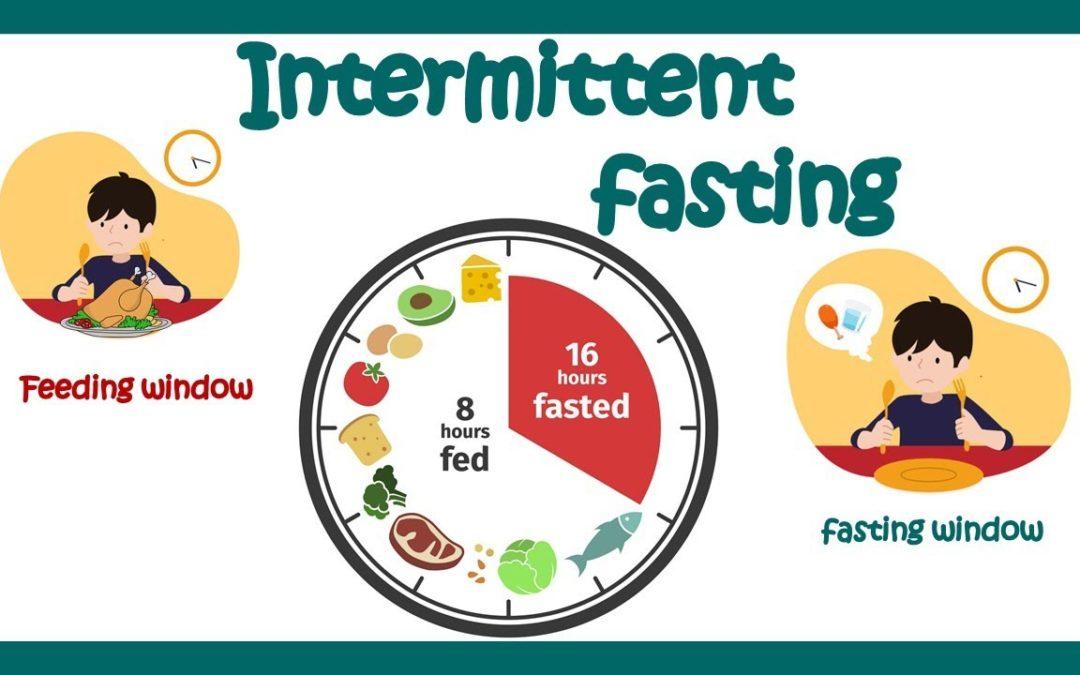
In a world where diet trends come and go like the latest fashion, one practice has stood the test of time, capturing the attention of health enthusiasts and experts alike: intermittent fasting. This ancient approach to eating doesn’t just promise quick fixes; it offers a sustainable path to transforming not only your body but also your relationship with food. By redefining the times we eat rather than the foods we eat, intermittent fasting invites us to reconsider the habits we’ve formed and the rhythms of our daily lives. Whether you’re seeking to shed pounds, enhance your mental clarity, or embrace a healthier lifestyle, the science behind this powerful technique unveils a myriad of potential benefits. Join us as we explore the principles of intermittent fasting and its impact on physical transformation, empowering you to take control of your health journey in a way that feels intuitive and refreshing.
Table of Contents
- Unleashing the Science Behind Intermittent Fasting
- Crafting Your Personal Fasting Schedule for Maximum Results
- Nourishing Your Body: What to Eat During Feeding Windows
- Overcoming Common Challenges in Your Fasting Journey
- Concluding Remarks
Unleashing the Science Behind Intermittent Fasting
At its core, intermittent fasting (IF) operates on the principle of time-restricted eating, which has generated significant attention in both scientific and wellness communities. Research suggests that IF can lead to metabolic benefits, including enhanced fat oxidation, improved insulin sensitivity, and a reduction in inflammation. During fasting periods, the body shifts from utilizing glucose as its primary source of energy to tapping into fat stores, a metabolic switch that can catalyze weight loss and promote a leaner physique. Moreover, the practice may trigger cellular repair mechanisms such as autophagy, where the body cleans out damaged cells, supporting overall health and longevity.
Detoxifying and rejuvenating bodily systems, intermittent fasting can also profoundly impact hormonal balance. During fasting, levels of human growth hormone (HGH) can surge, promoting muscle gain and fat loss. Additionally, insulin levels drop, making stored fat more accessible for energy. The science behind these physiological adaptations supports claims of mental clarity and emotional resilience often reported by practitioners. To illustrate the hormonal dynamics, refer to the table below:
| Hormone | Effect During Fasting |
|---|---|
| Insulin | Decreases, enhancing fat oxidation |
| HGH | Increases, aiding muscle growth |
| Cortisol | May fluctuate, affecting stress responses |
| Leptin | Improves sensitivity, regulating appetite |
Crafting Your Personal Fasting Schedule for Maximum Results
Developing a personalized fasting schedule is pivotal for achieving sustainable results. Start by identifying your daily routine and energy levels to choose a method that complements your lifestyle. Consider the following strategies:
- 16/8 Method: Fast for 16 hours a day and eat during an 8-hour window.
- 5:2 Method: Eat normally for five days a week while restricting calorie intake to around 500-600 for two non-consecutive days.
- Warrior Diet: Undereat throughout the day and consume one large meal in the evening.
- Alternate Day Fasting: Alternate between a day of regular eating and a day of fasting.
Once you’ve selected a fasting method, create a schedule that works best for you. Track your meals, and fasting periods, and how your body feels to find the optimal approach. A sample weekly plan can help visualize your commitment:
| Day | Eating Window | Fasting Duration |
|---|---|---|
| Monday | 12 PM – 8 PM | 16 hours |
| Tuesday | 12 PM – 8 PM | 16 hours |
| Wednesday | 12 PM – 8 PM | 16 hours |
| Thursday | 12 PM – 8 PM | 16 hours |
| Friday | 12 PM – 8 PM | 16 hours |
| Saturday | 12 PM – 8 PM | 16 hours |
| Sunday | Optional | 24 hours (if desired) |
Nourishing Your Body: What to Eat During Feeding Windows
During your feeding windows, prioritizing nutrient-dense foods can significantly enhance your intermittent fasting experience. Focus on incorporating a balance of macronutrients to fuel your body effectively. Options to consider include:
- Lean Proteins: Chicken, turkey, fish, eggs, and legumes
- Healthy Fats: Avocados, nuts, seeds, and olive oil
- Complex Carbohydrates: Quinoa, brown rice, sweet potatoes, and whole grains
- Fruits and Vegetables: A rainbow of colors to ensure a range of vitamins and minerals
Hydration is equally vital during these periods. Remember to drink plenty of water and consider adding herbal teas or infused waters. To illustrate how to effectively structure your meals, here’s a simple guide:
| Meal Type | Suggested Foods |
|---|---|
| Breakfast | Oatmeal topped with fruits and nuts |
| Lunch | Grilled chicken salad with olive oil dressing |
| Dinner | Baked salmon with quinoa and steamed vegetables |
| Snacks | Greek yogurt with honey or a handful of almonds |
Overcoming Common Challenges in Your Fasting Journey
Embarking on your fasting journey can be both exciting and daunting. It’s not uncommon to encounter specific hurdles along the way, such as hunger pangs, irritability, or social pressures. To effectively navigate these challenges, consider incorporating the following strategies into your regimen:
- Stay Hydrated: Drinking plenty of water can help curb hunger and keep you feeling full.
- Plan Your Meals: Preparing nutritious options ahead of time ensures you stick to your goals and avoid impulse eating.
- Find a Support System: Engaging with friends or online communities can boost your motivation and accountability.
Additionally, understanding your body’s signals is crucial in maintaining a successful fasting routine. Recognizing the difference between true hunger and mere cravings can empower you to make healthier decisions. You might find it beneficial to keep a journal to track your feelings and progress. Here’s a simple table to help you reflect on your journey:
| Day | Mood | Challenges Faced | Successes |
|---|---|---|---|
| 1 | Motivated | Hunger Cravings | Completed First Fast |
| 2 | Neutral | Social Outings | Stuck to Meal Plan |
| 3 | Energetic | Time Management | Felt Increased Energy |
Concluding Remarks
the journey through intermittent fasting unveils a transformative potential that extends far beyond mere weight loss. By rethinking our relationship with food and embracing structured eating patterns, we unlock not only physical changes but also a renewed sense of energy and mental clarity. As you embark on this path, remember that the key lies in balance and personalization; each body is unique, and what works for one may not necessarily work for another.
Whether you choose to fast for health benefits, improved focus, or simply as a means to cultivate mindfulness around your meals, the important part is to listen to your body and adjust as needed. With patience and persistence, intermittent fasting can become not just a dietary choice, but a lifestyle that promotes overall well-being. Here’s to the possibilities that lie ahead—may your journey toward transformation be both fulfilling and empowering.