


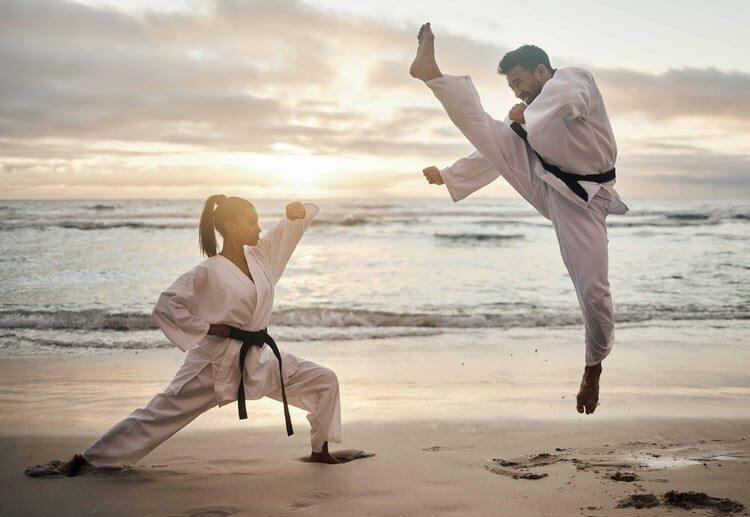
Martial arts have long been recognized for their cultural significance and practical self-defense applications. However, beyond these traditional roles, martial arts workouts are gaining popularity as a dynamic approach to fitness. This article aims to explore the diverse benefits that martial arts training can offer for physical health, mental well-being, and overall fitness levels. By examining various martial arts disciplines, their structure, and their impact on the body and mind, we aim to provide a comprehensive understanding of how these workouts can serve as an effective, engaging, and holistic fitness alternative. Whether for improved strength, flexibility, endurance, or stress relief, martial arts present a unique opportunity for individuals seeking to enhance their fitness journey.
Table of Contents
- Benefits of Martial Arts Workouts for Cardiovascular Fitness
- Strength and Flexibility Outcomes of Martial Arts Training
- Mental Health Improvements Through Martial Arts Practice
- Incorporating Martial Arts into Your Fitness Routine
- In Retrospect
Benefits of Martial Arts Workouts for Cardiovascular Fitness
Martial arts workouts are an exceptional way to enhance cardiovascular health, combining physical activity with skill development. These dynamic sessions elevate the heart rate significantly, promoting increased blood circulation and oxygen delivery throughout the body. As practitioners engage in high-energy techniques such as punches, kicks, and footwork, they engage multiple muscle groups, resulting in an effective full-body workout. The rhythmic nature of these movements can lead to significant improvements in endurance, stamina, and overall cardiovascular efficiency.
In addition to the physical benefits, martial arts workouts provide a unique environment that encourages consistency and progression. Regular participation in classes fosters a sense of community and motivation, helping individuals stay committed to their fitness goals. With the inclusion of diverse training methods such as sparring, forms, and drills, practitioners can effectively challenge their cardiovascular system while keeping workouts engaging and varied. Some key benefits include:
- Increased heart rate: Intense workouts boost cardiovascular function.
- Enhanced endurance: Continuous training builds stamina over time.
- Weight management: High-calorie burn supports overall fitness and weight loss.
Strength and Flexibility Outcomes of Martial Arts Training
Martial arts training is a comprehensive workout that emphasizes both strength and flexibility, leading to significant improvements in physical fitness. Through a diverse range of movements, practitioners engage various muscle groups, resulting in enhanced overall strength. Some of the key components of strength development include:
- Resistance Training: Techniques such as grappling and striking naturally incorporate body weight as resistance, allowing muscles to develop effectively.
- Functional Movements: Many martial arts emphasize movements that mimic everyday activities, improving functional strength.
- Consistency: Regular training sessions cultivate muscular endurance and power due to the repetition of techniques.
Flexibility is another crucial benefit of martial arts, as disciplines often involve dynamic stretches and techniques that promote a full range of motion. This commitment to flexibility provides several advantages, such as:
- Injury Prevention: Improved flexibility can reduce the risk of injuries during both martial arts training and daily activities.
- Enhanced Performance: Greater flexibility allows for better execution of techniques and improved athletic performance.
- Posture Improvement: Many martial arts emphasize balance and coordination, which can lead to better posture over time.
Mental Health Improvements Through Martial Arts Practice
Engaging in martial arts offers a holistic approach to mental well-being, transcending physical fitness to nurture emotional and psychological health. Practitioners often report significant decreases in anxiety and stress levels, attributed to the focus and discipline that martial arts command. This structured environment fosters a sense of community and belonging, which can be tremendously beneficial for those feeling isolated or overwhelmed. Additionally, the practice often incorporates mindfulness techniques that encourage individuals to be present in the moment, greatly enhancing their overall psychological resilience.
Moreover, martial arts provide a unique outlet for expressing emotions and channeling energy. The rigorous training routines and sparring not only enhance physical strength but also instill a powerful sense of accomplishment and confidence. Participants often experience improved self-esteem as they master new techniques and achieve personal goals. These emotional improvements can lead to better social interactions and relationships, as individuals become more confident in their capabilities and self-worth. Below is a simple overview of some key mental health benefits derived from martial arts practice:
| Benefit | Description |
|---|---|
| Stress Reduction | Martial arts routines help alleviate tension and promote relaxation. |
| Increased Focus | Training enhances concentration, improving mental clarity. |
| Emotional Regulation | Practitioners learn to manage emotions through physical expression. |
| Better Sleep | Regular workouts contribute to improved sleep patterns and restful nights. |
Incorporating Martial Arts into Your Fitness Routine
offers numerous benefits that can enhance your overall physical health and mental well-being. Practicing disciplines such as karate, judo, or taekwondo can elevate your cardiovascular fitness, strength, and flexibility. Engaging in these martial practices not only helps to burn calories but also builds muscle strength through dynamic movements and resistance training. Here are some key advantages of adding martial arts to your fitness regimen:
- Improved Coordination: The complex movements required in martial arts enhance hand-eye coordination and balance.
- Stress Relief: The focus and discipline promote mental clarity and can reduce stress levels.
- Self-Defense Skills: Learning martial arts equips you with practical self-defense techniques, boosting confidence.
Moreover, the community dynamic found in martial arts classes can provide social benefits, encouraging motivation and accountability. Participants often learn teamwork and respect for others, fostering a supportive environment for progress. To illustrate the types of martial arts that can be integrated into your fitness routine, consider the following comparison:
| Martial Art | Primary Focus | Fitness Elements |
|---|---|---|
| Karate | Striking Techniques | Cardio, Strength, Flexibility |
| Tae Kwon Do | Kicking Techniques | Agility, Power, Endurance |
| Judo | Grappling and Throws | Strength, Speed, Coordination |
In Retrospect
martial arts workouts offer a diverse range of benefits that extend beyond traditional fitness regimes. With their focus on strength, flexibility, and cardiovascular endurance, these practices not only enhance physical health but also contribute significantly to mental well-being and discipline. As individuals seek engaging and effective ways to improve their fitness levels, martial arts provide a unique blend of exercise and life skills that cater to various personal goals and motivations. Whether one is a beginner or an experienced practitioner, incorporating martial arts into a fitness routine can lead to substantial improvements in overall health and personal development. As with any workout program, it is advisable to approach martial arts training with proper guidance and consideration of one’s own fitness level and safety.