


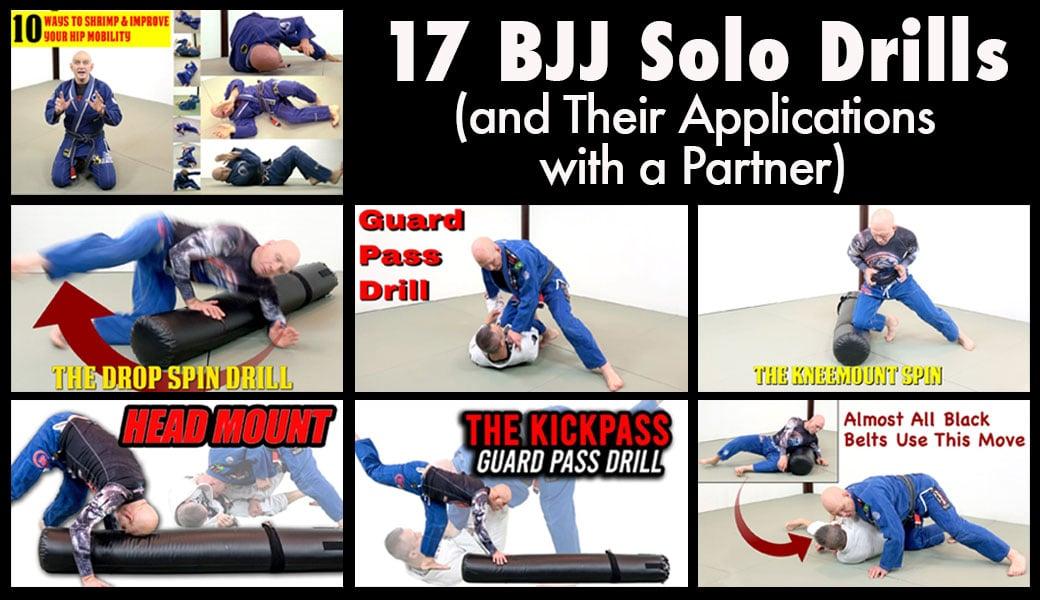
Jiu-Jitsu, a martial art and combat sport with roots in Brazilian traditions, has gained significant traction in fitness communities worldwide. As practitioners often extol its benefits, the integration of Jiu-Jitsu workouts into fitness regimens has emerged as a topic of interest for individuals seeking effective ways to enhance their physical health. This article aims to explore the multifaceted benefits of Jiu-Jitsu workouts, examining their impact on strength, flexibility, cardiovascular fitness, and mental well-being. By providing an objective analysis, we hope to inform readers about how this dynamic discipline can contribute to overall fitness and wellness goals.
Table of Contents
- Understanding the Physical Benefits of Jiu-Jitsu Workouts
- Enhancing Mental Resilience Through Jiu-Jitsu Training
- Incorporating Jiu-Jitsu into a Balanced Fitness Routine
- Recommendations for Beginners to Maximize Jiu-Jitsu Workouts
- In Retrospect
Understanding the Physical Benefits of Jiu-Jitsu Workouts
Jiu-Jitsu workouts offer a comprehensive approach to physical fitness, targeting a wide range of muscle groups while enhancing overall body conditioning. Engaging in these workouts improves strength, flexibility, and cardiovascular endurance, making it an effective full-body workout. The dynamic nature of sparring and technique drills requires participants to utilize both explosive and endurance-based movements, leading to significant improvements in muscular endurance and coordination. Practitioners also experience enhanced balance and body awareness, essential components in executing techniques effectively and with precision.
Another notable aspect of Jiu-Jitsu is its impact on overall body composition. The high level of physical exertion involved in grappling not only facilitates weight loss through fat burning, but also promotes the development of lean muscle mass. Regular participation in these workouts can lead to the following benefits:
- Increased Metabolism: Continuous engagement in high-intensity training boosts metabolic rate.
- Improved Cardiovascular Health: Aerobic and anaerobic exercises enhance heart health and stamina.
- Joint Health: Techniques promote flexibility and strengthen surrounding muscles, benefiting joint mobility.
Enhancing Mental Resilience Through Jiu-Jitsu Training
Jiu-Jitsu training is a journey that extends far beyond physical fitness; it is a powerful tool for enhancing mental resilience. Each session presents challenges that mirror life’s obstacles, requiring practitioners to develop problem-solving skills and mental endurance. The practice of grappling not only fosters physical strength but also cultivates a mindset that embraces failure and learns from it. Through consistent training, individuals discover the power of perseverance as they push through tough sparring sessions and complex techniques. This ability to tackle challenges head-on strengthens their mental fortitude, preparing them to face adversities outside the mat.
Moreover, the social aspect of Jiu-Jitsu contributes significantly to mental wellness. Practitioners engage with a diverse community, building camaraderie and mutual support. This environment encourages individuals to communicate openly and share their struggles, enhancing emotional resilience. Key benefits can include:
- Stress Relief: Physical exertion coupled with a focus on technique promotes relaxation.
- Confidence Building: Achieving new skills boosts self-esteem and personal growth.
- Mindfulness: Concentrating on movements enhances present-moment awareness.
These elements combine to create a holistic approach to mental resilience, enabling practitioners to navigate life’s uncertainties with greater ease and strength.
Incorporating Jiu-Jitsu into a Balanced Fitness Routine
Integrating Jiu-Jitsu into your fitness regimen can enhance your performance in various ways. This martial art provides a full-body workout, engaging numerous muscle groups while improving strength, flexibility, and coordination. Key components that make Jiu-Jitsu a valuable addition to any fitness routine include:
- Cardiovascular Endurance: The dynamic nature of training promotes conditioning and stamina.
- Muscle Strength: Grappling and leveraging techniques build both core and peripheral strength.
- Mental Resilience: The strategic aspect of Jiu-Jitsu fosters problem-solving and mental toughness.
- Social Interaction: Training with partners encourages community engagement and motivation.
A balanced approach is essential when incorporating any new activity into your fitness plan. To effectively blend Jiu-Jitsu with other forms of exercise, consider following a structured schedule. This not only prevents overtraining but also maximizes benefits across multiple disciplines. Below is a suggested training breakdown:
| Day | Activity |
|---|---|
| Monday | Jiu-Jitsu Training |
| Tuesday | Strength Training |
| Wednesday | Jiu-Jitsu Sparring |
| Thursday | Cardio Session |
| Friday | Jiu-Jitsu Drills |
| Saturday | Rest & Recovery |
| Sunday | Active Mobility/Stretching |
Recommendations for Beginners to Maximize Jiu-Jitsu Workouts
For beginners eager to dive into the world of Jiu-Jitsu, making the most out of workouts is essential for both skill development and fitness gains. Consistency is key; try to train at least two to three times a week to build muscle memory and improve your technique. Additionally, always arrive at your sessions with the right mindset. Focus on learning rather than competing, which can reduce anxiety and foster a positive training environment. Here are some practical tips to enhance your experience:
- Warm-Up Thoroughly: Engage in dynamic stretches and drills to prepare your body for the intensity of training.
- Partner Up: Work with a more experienced partner who can provide feedback and help you learn faster.
- Take Notes: After each session, jot down what you learned or areas you want to improve.
- Stay Hydrated: Drink plenty of water before, during, and after your training to keep your energy levels up.
- Reflect on Your Goals: Set specific, measurable, achievable, relevant, and time-bound (SMART) goals to track your progress.
Integrating proper techniques and recovery practices into your routine can drastically enhance your training effectiveness. Consider incorporating strength training and cardio workouts on non-Jiu-Jitsu days to increase your overall fitness level. Additionally, a balanced diet rich in protein will support muscle repair and growth. Below is a simple table to illustrate effective cross-training methods:
| Activity | Benefits |
|---|---|
| Strength Training | Increases power and promotes muscle endurance. |
| Cardio Workouts | Improves stamina and cardiovascular health. |
| Yoga | Enhances flexibility and improves mental focus. |
| Swimming | Offers a full-body workout with low impact. |
In Retrospect
the integration of Jiu-Jitsu workouts into a fitness regimen can offer a variety of benefits that extend beyond traditional exercise. From improving physical attributes such as strength, flexibility, and endurance to fostering mental resilience and discipline, Jiu-Jitsu presents a holistic approach to fitness. The emphasis on technique and strategy not only helps practitioners develop self-defense skills but also promotes problem-solving abilities both on and off the mat. As with any physical activity, it is essential for individuals to assess their personal fitness goals and consult with professionals to ensure a safe and effective training experience. Whether you are seeking to enhance your overall fitness level or explore a new form of self-expression, Jiu-Jitsu may serve as a valuable addition to your workout routine.