


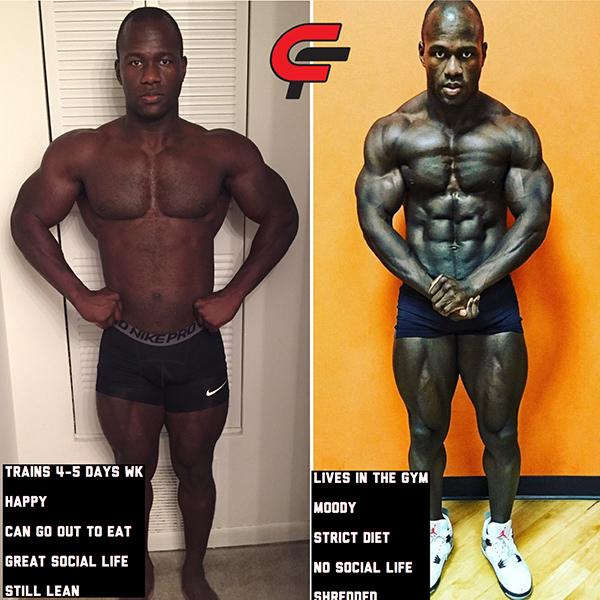
In a world saturated with fitness fads, before-and-after photos, and the relentless promise of quick results, the journey to body transformation often feels like a race against time. The allure of instant gratification can cloud our understanding of what true, sustainable change entails. As individuals strive to reshape their bodies, it’s essential to navigate the sea of misinformation and unrealistic expectations that saturate the fitness landscape. This article aims to peel back the layers of hype and reveal the truth behind body transformation timelines. By examining the science of physical change, personal stories, and expert insights, we will uncover the realistic benchmarks that define a successful transformation journey. Join us as we embark on this enlightening exploration, setting aside the noise to embrace the authentic and achievable paths to vitality and well-being.
Table of Contents
- Understanding the Science of Body Transformation
- Setting Achievable Goals: Crafting Your Personal Timeline
- The Role of Nutrition: Fueling Your Journey to Change
- Exercise Strategies for Effective Transformation Progress
- Closing Remarks
Understanding the Science of Body Transformation
Transforming your body is not just about shedding pounds or building muscle; it’s a complex interplay of numerous physiological factors. Metabolism, for instance, dictates how efficiently your body burns calories, influenced by age, genetics, and activity level. Dietary choices also play a critical role, with macronutrient composition affecting muscle synthesis and fat loss. This intricate relationship between nutrition and exercise results in diverse paths to body transformation, making individualized approaches essential. Factors such as hormonal balance, sleep quality, and stress management further complicate the equation, underscoring that body change is a holistic journey rather than a linear destination.
The timeline for visible results can be just as varied as the methods employed. While many eager individuals seek quick fixes, sustainable changes often require a more patient and persistent effort. Typically, assessable changes in body composition may take 4 to 12 weeks, with initial growth mostly seen in strength rather than size. Understanding the nuances of body transformation timelines involves recognizing different milestones, including:
- Initial Strength Gains
- Fat Loss Stabilization
- Muscle Hypertrophy
- Long-term Maintenance
Below is a simplified view of what to expect during various stages of transformation:
| Stage | Expected Timeline | Key Focus |
|---|---|---|
| Initial Adaptation | 0-4 weeks | Building Consistency |
| Visible Changes | 4-8 weeks | Improved Strength |
| Body Composition Changes | 8-12 weeks | Fat Loss and Muscle Gain |
| Long-term Development | 3+ months | Refining Strategy |
Setting Achievable Goals: Crafting Your Personal Timeline
Setting realistic milestones in your body transformation journey is essential for maintaining motivation and achieving sustainable results. Start by defining specific, measurable, achievable, relevant, and time-bound (SMART) objectives that resonate with your personal aspirations. Break these long-term goals into smaller, digestible tasks with clear deadlines to create a personal roadmap that guides you through each phase of the transformation process. For instance, if your ultimate aim is to lose 30 pounds, consider setting a target of 1-2 pounds per week. This allows you to celebrate small victories along the way while staying focused on your overall goal.
In crafting your timeline, consider the various aspects of transformation, including nutrition, exercise, and mental well-being. Each of these elements can be developed through focused mini-goals, such as:
- Nutrition: Meal prep for the week every Sunday.
- Exercise: Commit to a specific workout regimen, like attending three fitness classes weekly.
- Mental Well-being: Journal progress or struggles at the end of each day.
Moreover, it’s beneficial to review your progress every month. This reflection can help you adjust your strategies where needed, ensuring you remain agile in your approach. A simple table can be an excellent visual aid for tracking your achievements:
| Month | Weight Goal | Actual Weight Loss | Notes |
|---|---|---|---|
| 1 | 2 lbs | 1.5 lbs | Great start, focused on meal prep. |
| 2 | 4 lbs | 4 lbs | Increased workout intensity. |
| 3 | 6 lbs | 5 lbs | Struggled with cravings; need to improve snack choices. |
The Role of Nutrition: Fueling Your Journey to Change
Nutrition serves as the powerhouse of any transformation journey, fueling both body and mind. It goes beyond mere sustenance; it’s about nurturing your body with the right balance of macronutrients and micronutrients to optimize performance and recovery. By prioritizing whole foods over processed options, individuals can enhance their energy levels and support muscle growth. Consider incorporating the following into your diet to ensure you’re fueling your ambitions:
- Lean Proteins: Chicken, turkey, tofu, or legumes.
- Complex Carbs: Quinoa, brown rice, or sweet potatoes.
- Healthy Fats: Avocado, nuts, or olive oil.
- Hydration: Water or electrolyte-rich beverages.
Tracking your nutrition can be a game-changer, providing insights into how food affects your progress. A well-planned approach can make all the difference in achieving your body transformation goals. Below is a table highlighting how different food groups contribute to your overall health:
| Food Group | Benefits |
|---|---|
| Fruits & Vegetables | Rich in vitamins, minerals, and fiber. |
| Dairy | Provides calcium and protein for bone health. |
| Whole Grains | Great source of energy and essential nutrients. |
| Protein-rich Foods | Aids muscle repair and growth. |
Exercise Strategies for Effective Transformation Progress
Embarking on a body transformation journey requires more than just determination; it necessitates a structured exercise strategy tailored to individual needs. Start by focusing on a balanced mix of workout types that incorporates strength training, cardiovascular activities, and flexibility exercises. Aim to include:
- Strength Training: 3-4 times a week to build muscle mass and boost metabolism.
- Cardio Workouts: 2-3 times a week to improve heart health and increase calorie burn.
- Flexibility Sessions: Daily or after workouts to enhance mobility and prevent injuries.
It’s also crucial to track progress in a realistic manner, understanding that results may not manifest immediately. Consider using a progress table to keep yourself accountable and visually motivated:
| Week | Focus Area | Progress Marker |
|---|---|---|
| 1-2 | Endurance Building | Increase cardio duration by 10% |
| 3-4 | Strength Gains | Add 5% more weight to lifts |
| 5-6 | Flexibility Improvement | Hold stretches for 30 more seconds |
Closing Remarks
the journey of body transformation is uniquely personal, marked by individual aspirations, challenges, and timelines. By unveiling the truth behind realistic expectations, we empower ourselves to embrace both progress and setbacks as integral parts of our evolution. Cultivating patience, setting achievable goals, and celebrating small victories can turn this transformative journey into a fulfilling experience rather than a race against the clock. Remember, true change is not merely measured in inches or pounds, but in the newfound confidence, resilience, and self-awareness that accompanies the process. As you embark on your own path, carry with you the knowledge that consistency and mindfulness often yield the most profound and lasting results. So, take a deep breath, cherish each step, and embark on your body transformation journey with a renewed sense of purpose and realism.