


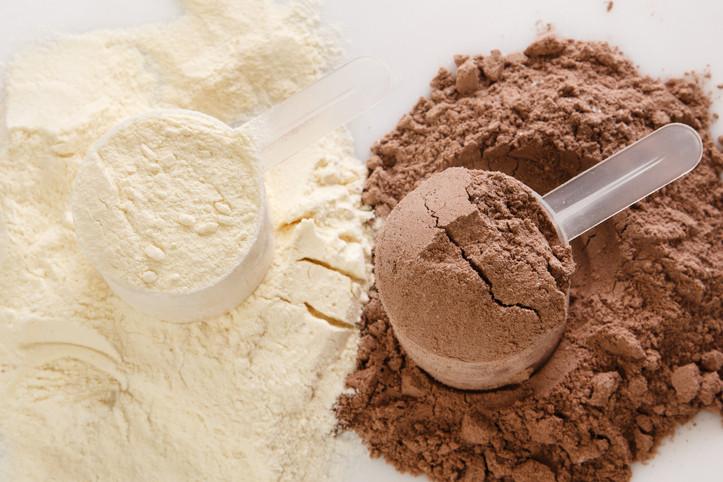
In the ever-evolving world of health and fitness, protein powder has emerged as a staple ingredient for many looking to enhance their nutrition. Whether you’re an avid gym-goer, an aspiring athlete, or simply someone aiming to increase your daily protein intake, understanding the fundamentals of protein powder nutrition is crucial. With an abundance of options available on the market—ranging from whey and casein to plant-based varieties—it can be overwhelming to decide which one is right for you. In this article, we’ll break down the science behind protein powders, explore their nutritional benefits, and help you navigate the various types to unlock their potential for your dietary needs. By taking a closer look at how protein powder can fit into a balanced diet, you’ll be empowered to make informed choices that align with your health goals. Let’s dive into the basics and unravel the many facets of protein powder nutrition together!
Table of Contents
- Understanding the Role of Protein in Your Diet
- Types of Protein Powders and Their Unique Benefits
- Choosing the Right Protein Powder for Your Goals
- How to Incorporate Protein Powder into Your Daily Routine
- The Way Forward
Understanding the Role of Protein in Your Diet
Protein is a crucial macronutrient that plays a variety of roles in the body. It is primarily known for its function in building and repairing tissues, but its benefits extend far beyond this. Incorporating adequate protein into your diet can enhance muscle growth, improve recovery times after exercise, and support overall metabolic health. For individuals aiming to lose weight, protein also aids in satiety, which can help curb unnecessary snacking and subsequent calorie intake. Understanding how protein functions not only in muscle development but also in hormonal balance and immune function underlines its importance in a well-rounded diet.
When considering protein sources, it’s essential to differentiate between complete and incomplete proteins. Complete proteins, which contain all nine essential amino acids, are typically found in animal products such as:
- Meat: Chicken, beef, pork
- Fish: Salmon, tuna, cod
- Dairy: Milk, cheese, yogurt
On the other hand, incomplete proteins, commonly found in plant sources, may require combination with other foods to ensure adequate amino acid intake. Some great sources of incomplete proteins include:
- Legumes: Lentils, beans, chickpeas
- Nuts and Seeds: Almonds, chia seeds, sunflower seeds
- Whole Grains: Quinoa, brown rice, oats
Types of Protein Powders and Their Unique Benefits
When it comes to protein powders, there are several types, each offering unique advantages that cater to different dietary needs and fitness goals. Whey protein, derived from milk, is one of the most popular choices for athletes and bodybuilders. It is rapidly absorbed by the body, making it ideal for post-workout recovery. Another great option is casein protein, which is also milk-derived but digests slowly, providing a steady release of amino acids. This makes it perfect for overnight recovery or for those who want a prolonged protein intake throughout the day. For those following a plant-based diet, pea protein serves as an excellent source of protein without lactose or dairy, promoting muscle growth and repair, while being hypoallergenic.
Moving on to soy protein, this option not only provides a complete amino acid profile but also offers additional benefits such as improved heart health and lower cholesterol levels. If you’re looking for a vegan-friendly alternative that combines various plant sources, consider hemp protein; it’s rich in omega-3 fatty acids, making it a nutritious choice for overall wellness. Below is a comparative table highlighting these types and their specific benefits:
| Type of Protein | Source | Key Benefits |
|---|---|---|
| Whey Protein | Dairy | Fast absorption, ideal for recovery |
| Casein Protein | Dairy | Slow digestion, great for overnight use |
| Pea Protein | Plant (peas) | Hypoallergenic, promotes muscle growth |
| Soy Protein | Plant (soybeans) | Complete amino acids, heart health |
| Hemp Protein | Plant (hemp seeds) | Rich in omega-3, promotes wellness |
Choosing the Right Protein Powder for Your Goals
When it comes to selecting a protein powder that aligns with your fitness goals, there are several key factors to consider. First, determine the type of protein that best suits your dietary preferences and nutritional needs. Common options include:
- Whey Protein: Quick digestion, ideal for post-workout recovery.
- Casein Protein: Slower absorption, suitable for overnight muscle repair.
- Plant-Based Proteins: Great for vegans and those with lactose intolerance, with options like pea, hemp, and brown rice protein.
- Egg Protein: High-quality protein, rich in essential amino acids, and perfect for those looking for a non-dairy option.
Next, consider the additional ingredients that may enhance your protein powder’s effectiveness. Some formulations include added vitamins, minerals, or functional ingredients like BCAAs or digestive enzymes. Here’s a quick comparison of common features:
| Protein Type | Caloric Content (per serving) | Special Features |
|---|---|---|
| Whey | 120 kcal | Fast absorption, rich in BCAAs |
| Casein | 130 kcal | Slow release, ideal before bed |
| Plant-Based | 100-150 kcal | Diverse sources, often allergen-friendly |
| Egg | 110 kcal | No lactose, complete protein |
How to Incorporate Protein Powder into Your Daily Routine
Integrating protein powder into your everyday diet can be both simple and enjoyable. Start your day with a protein-packed smoothie by blending your favorite fruits, a scoop of protein powder, and a base like almond milk or yogurt. Not only does this kickstart your metabolism, but it also helps in maintaining muscle mass throughout the day. You can also use protein powder to elevate your breakfast options; sprinkle it on oatmeal or mix it into pancakes for an extra nutritious boost.
Another practical approach is to enhance your snacks and meals. Try mixing protein powder into your yogurt or cottage cheese for a quick, nutrient-rich snack. For a savory option, consider adding it to soups or sauces without altering the taste significantly. You can also create protein bars at home using oats, nut butter, and your choice of protein powder. This allows you to control the ingredients and customize flavors according to your preference. Here’s a simple table highlighting some delicious ways to incorporate protein powder:
| Food/Drink | Protein Powder Addition |
|---|---|
| Smoothies | 1 scoop with fruits and almond milk |
| Oatmeal | Stir in 1 scoop after cooking |
| Pancakes | Mix 1 scoop into batter |
| Yogurt | Mix 1 scoop for a filling snack |
| Soups | Add 1-2 tablespoons to thicken |
The Way Forward
understanding the basics of protein powder nutrition can be a game changer for anyone looking to enhance their fitness journey, support muscle recovery, or simply boost their daily nutrient intake. From whey to plant-based options, each type of protein powder offers unique benefits that can be tailored to fit your individual dietary needs and lifestyle. Remember to consider factors such as your activity level, dietary restrictions, and personal health goals when selecting the right product for you.
As you navigate the world of protein powders, stay informed about ingredient labels, sourcing, and quality standards to ensure you’re making the best choice for your body. Whether you’re a seasoned athlete or just starting out, incorporating the right protein powder into your regimen can help you unlock your full potential. So go ahead and experiment, listen to your body, and enjoy the myriad of health benefits that come with proper protein nutrition. Happy blending!