


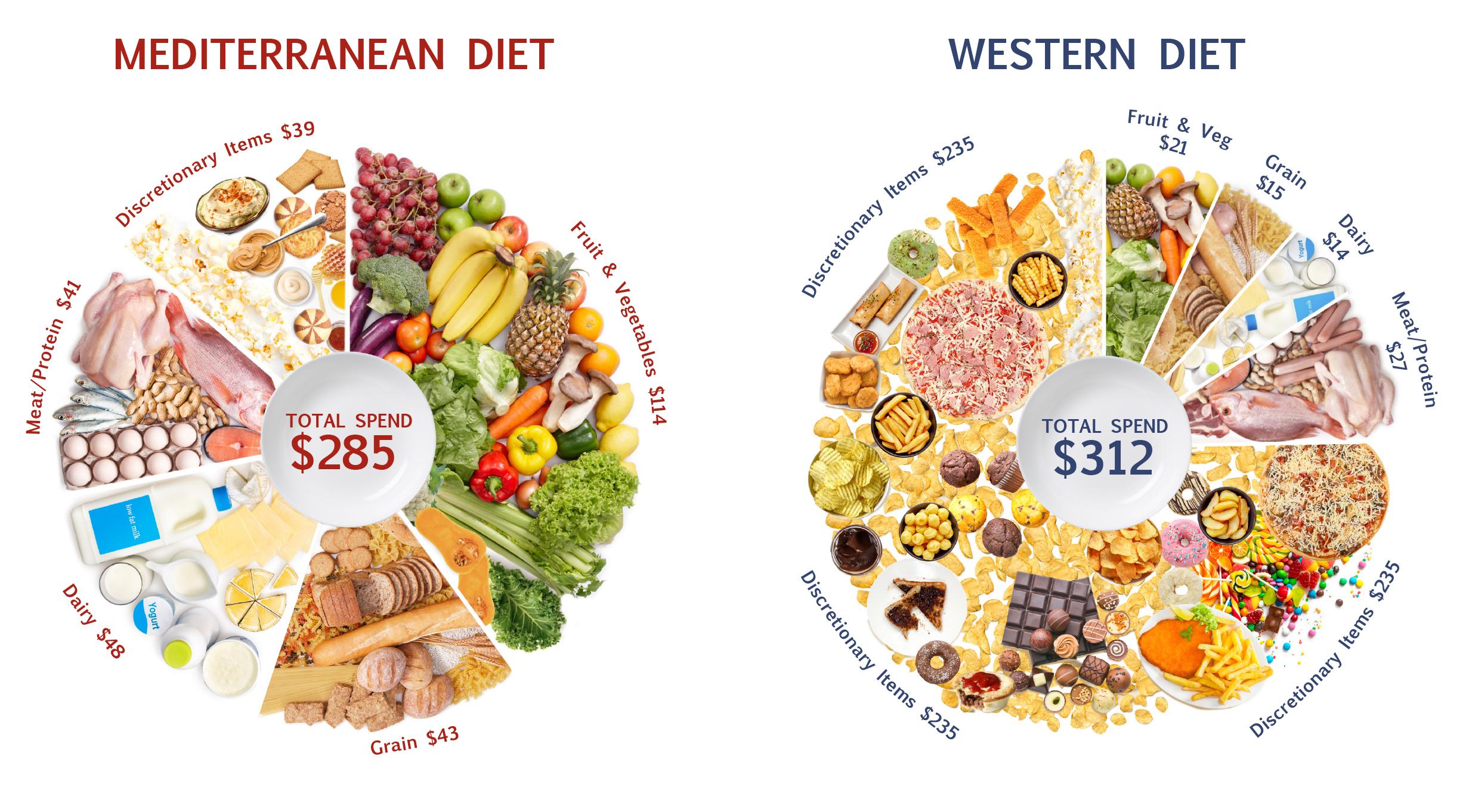
In a world where dietary fads come and go with the seasons, few eating patterns have captured the hearts and palates of health enthusiasts quite like the Mediterranean diet. Steeped in history and vibrant with flavor, this culinary tradition weaves together the rich agricultural bounty of the sun-soaked region with a philosophy centered on communal dining and mindful eating. With roots tracing back to ancient civilizations, the Mediterranean diet is more than just a meal plan; it is a lifestyle that encourages a harmonious balance between food and well-being. As we embark on this flavorful journey, we will delve into the ingredients, health benefits, and cultural significance of the Mediterranean way of life, inviting you to savor not only the dishes but also the stories that enrich this timeless approach to nutrition. Join us as we explore the essence of the Mediterranean diet, discovering how it can lead to a healthier, more vibrant you.
Table of Contents
- Unveiling the Essence of the Mediterranean Diet
- Nourishing Ingredients: Staples of Mediterranean Delight
- Culinary Traditions: A Taste of Culture and Community
- Boosting Well-being: Health Benefits Beyond the Plate
- Wrapping Up
Unveiling the Essence of the Mediterranean Diet
The Mediterranean diet isn’t just a way of eating; it is a lifestyle steeped in rich cultural heritage and a profound connection to nature. Emphasizing fresh, wholesome ingredients, this culinary approach features vibrant fruits and vegetables, whole grains, nuts, and a generous splash of olive oil. It encourages the consumption of lean proteins, particularly fish, which not only adds flavor but also offers an array of health benefits. The emphasis on seasonal and local produce means that meals are not only delicious but also nutritionally balanced, supporting overall well-being.
In addition to its emphasis on food, the Mediterranean way of life reflects a mindful approach to eating. Meals are often enjoyed in the company of family and friends, fostering a sense of community and connection. This social aspect of dining can lead to a greater appreciation for the food, enhancing satisfaction and enjoyment. Key components that define this diet include:
- Heart-healthy fats: Primarily from olive oil and nuts.
- Plant-based foods: Fruits, vegetables, legumes, and whole grains.
- Moderate consumption of dairy: Especially yogurt and cheese.
- Limited red meat: Enjoyed in moderation.
By integrating these principles, individuals can embark on a flavorful journey that nurtures both body and soul. The harmonious blend of tastes and textures reflects the sun-soaked landscapes of the Mediterranean region, making this diet not just a meal plan, but an invitation to savor life fully.
Nourishing Ingredients: Staples of Mediterranean Delight
The Mediterranean diet thrives on a rich palette of fresh, wholesome ingredients that nourish both body and soul. At the heart of this culinary tradition are fruits and vegetables, bursting with vitality and flavor. Items like ripe tomatoes, vibrant bell peppers, and leafy greens are everyday stars, while fruits such as juicy oranges, figs, and pomegranates add a sweet touch. Other staples include whole grains like quinoa, farro, and barley, which provide essential fiber and energy. A key highlight is the generous use of legumes, such as lentils and chickpeas, which serve as hearty protein sources, making meals satisfying and nutritious.
Equally important is the inclusion of healthy fats, primarily from extra virgin olive oil, which is celebrated for its rich flavor and heart-healthy properties. This versatile oil is often drizzled over dishes or used for sautéing, enhancing the taste while contributing to overall wellness. Fresh herbs and spices, such as basil, oregano, and garlic, not only elevate flavors but also pack numerous health benefits. To visualize this exquisite blend of ingredients, consider the table below, which showcases some of the key components of the Mediterranean pantry:
| Ingredient | Health Benefits |
|---|---|
| Olive Oil | Rich in monounsaturated fats and antioxidants |
| Tomatoes | High in vitamins C and K, low in calories |
| Lentils | Great source of protein and fiber |
| Figs | Rich in calcium, magnesium, and fiber |
Culinary Traditions: A Taste of Culture and Community
The Mediterranean diet is more than just a way of eating; it’s a celebration of culture, community, and generations of culinary traditions. Rooted in the sun-kissed landscapes of countries like Greece, Italy, and Spain, this diet emphasizes the use of fresh, local ingredients and seasonal produce. Each meal tells a story, from the vibrant colors of ripe tomatoes and fragrant herbs to the golden hues of olive oil that drizzle over lentils and salads. It’s a harmonious blend of flavors that not only nourishes the body but also strengthens the bonds of family and friendship as people gather around the table to share a meal. The emphasis on communal dining invites connection, making each meal a meaningful experience steeped in cultural significance.
At the heart of this flavorful tradition is a commitment to whole foods that provide both nourishment and joy. Common ingredients include:
- Fruits and Vegetables: Fresh, seasonal selections that pack a nutritional punch
- Whole Grains: Foods like quinoa, farro, and whole wheat pasta offering hearty sustenance
- Legumes: Beans and lentils serving as protein-rich options
- Nuts and Seeds: Nature’s snacks, providing healthy fats and crunch
- Fish and Seafood: Lean protein sources that contribute healthy omega-3 fatty acids
- Olive Oil: A staple fat, known for its heart-healthy properties
These ingredients come together to create dishes that are not only satisfying but also support a balanced lifestyle. The Mediterranean way of eating encourages moderation and mindfulness, where meals are savored and appreciated rather than rushed. Below is a simple overview of the Mediterranean diet principles:
| Principle | Description |
|---|---|
| Whole Foods | Focus on natural, unprocessed ingredients |
| Plant-Based | Emphasis on fruits, vegetables, and legumes |
| Healthy Fats | Use of olive oil and nuts |
| Moderation | Portion control and mindful eating |
| Social Connection | Meals enjoyed with family and friends |
Boosting Well-being: Health Benefits Beyond the Plate
The Mediterranean diet is much more than a mere collection of recipes; it embodies a lifestyle that fosters holistic well-being. Its emphasis on fresh, whole foods not only tantalizes the palate but also supports mental health. Research shows that the rich nutrients found in typical Mediterranean ingredients, such as olive oil, fresh vegetables, and whole grains, can elevate mood and enhance cognitive function. This diet is characterized by a high intake of antioxidants, which combat oxidative stress and inflammation, thus reducing the risk of chronic diseases.
Beyond food choices, this dietary pattern promotes mindful eating and social connections. Shared meals with family and friends are a staple of the Mediterranean way of life, fostering a sense of community that contributes to emotional well-being. Additionally, the inclusion of physical activity, whether through leisurely walks or engaging in traditional dances, integrates movement into daily habits. This interplay between nutrition and lifestyle creates a rich tapestry of health benefits that can invigorate both body and spirit:
- Improved heart health: Reduced risk of cardiovascular diseases
- Enhanced mental clarity: Better focus and memory retention
- Stronger immune function: Boosted defenses against illness
- Weight management: Natural weight control without extreme measures
Wrapping Up
As we conclude our flavorful journey through the Mediterranean diet, it’s clear that this culinary tradition extends far beyond just nourishing the body; it is an invitation to embrace a lifestyle rich in taste, culture, and well-being. By savoring the simple pleasures of fresh fruits, wholesome grains, vibrant vegetables, and heart-healthy fats, one not only fosters a deeper connection to the food we consume but also to the communities and histories that shapes them.
The Mediterranean diet offers a holistic approach to health, reminding us that eating well can be both an enjoyable and sustainable practice. Whether you’re drawn to its myriad health benefits or simply the tantalizing flavors that grace the table, integrating elements of this diet into your daily life can be a rewarding endeavor.
Ultimately, the Mediterranean diet is more than just a set of guidelines—it’s a celebration of life, flavor, and the beauty of shared meals. So, as you embark on your own Mediterranean-inspired adventure, may each bite be a step towards not only a healthier you but also a more harmonious relationship with food and community. Here’s to your health, happiness, and a flavorful future!