


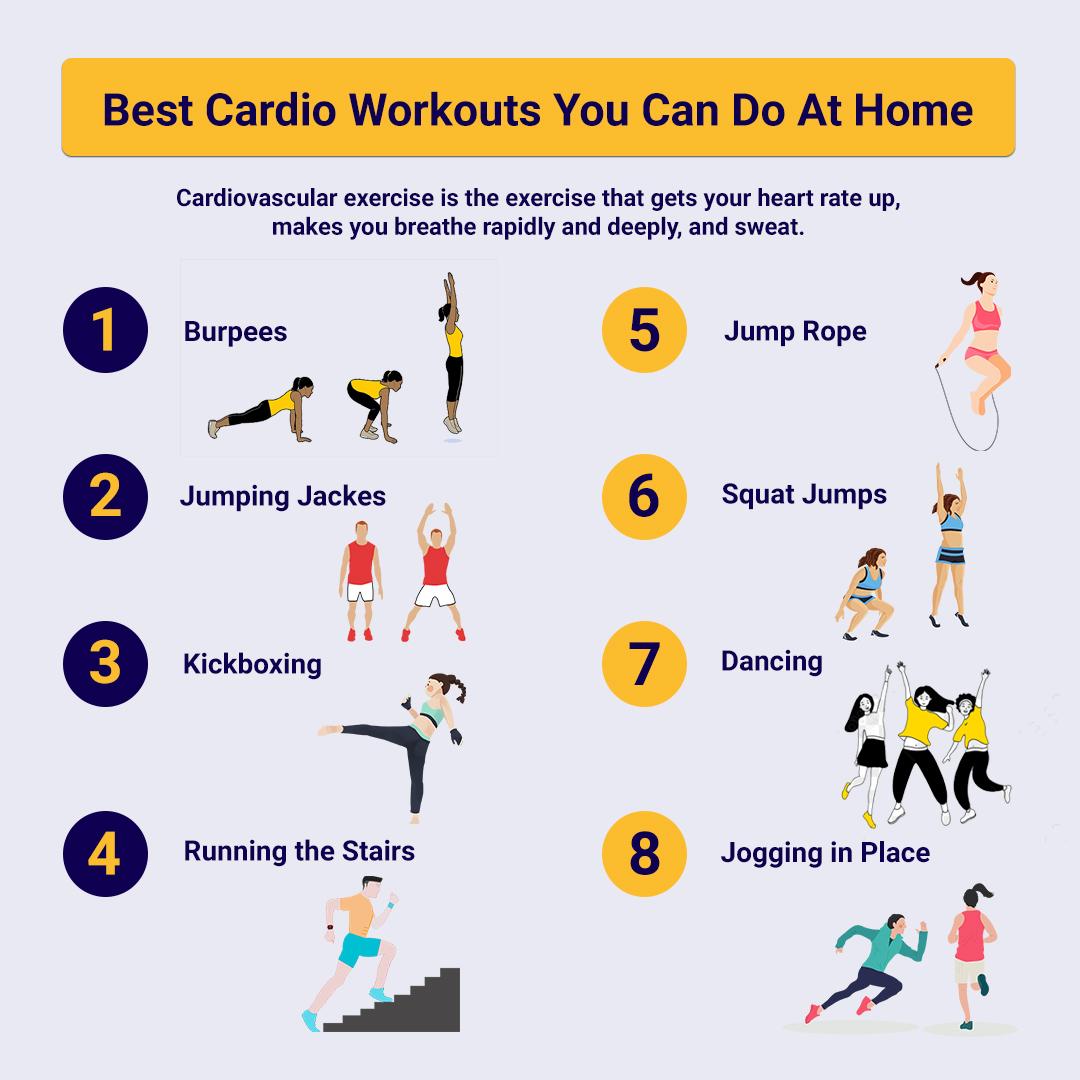
Cardiovascular workouts play a crucial role in maintaining overall health and fitness, offering a range of benefits that extend beyond physical appearance. These exercises, designed to elevate the heart rate and enhance respiratory efficiency, have been shown to improve cardiovascular health, boost endurance, and facilitate weight management. Understanding the different types of cardiovascular workouts—such as running, cycling, swimming, and group classes—can help individuals select the right approach to meet their specific fitness goals and preferences. This article aims to provide a comprehensive overview of the benefits associated with cardiovascular exercise and delineate the various types of workouts available, enabling readers to make informed decisions about incorporating cardiovascular activities into their fitness routines.
Table of Contents
- Benefits of Cardiovascular Workouts for Overall Health
- Types of Cardiovascular Exercises and Their Unique Advantages
- Guidelines for Choosing the Right Cardiovascular Routine
- Incorporating Cardiovascular Workouts into Your Fitness Plan
- The Conclusion
Benefits of Cardiovascular Workouts for Overall Health
Engaging in cardiovascular workouts offers numerous advantages that extend well beyond physical fitness. Improved heart health is one of the most significant benefits, as these exercises strengthen the heart muscle, enhance blood circulation, and lower resting heart rates. When the heart operates more efficiently, it can reduce the risk of heart disease and related conditions. Moreover, engaging in regular cardio can lead to better lung capacity, allowing for enhanced oxygen uptake and endurance, which plays a crucial role in overall vitality.
In addition to physical benefits, cardiovascular workouts have positive effects on mental health. These activities release endorphins, commonly known as “feel-good” hormones, which can alleviate stress, anxiety, and symptoms of depression. Furthermore, maintaining a consistent cardio routine can improve sleep quality and boost energy levels throughout the day. The cumulative effects of these workouts contribute to long-term health benefits, including a greater sense of well-being, higher quality of life, and potentially increased longevity.
Types of Cardiovascular Exercises and Their Unique Advantages
Cardiovascular exercises can be categorized into several types, each offering distinct advantages that cater to different fitness levels and preferences. Aerobic exercises, such as running, cycling, and swimming, are excellent for improving endurance and overall cardiovascular health. These activities increase your heart rate and lung capacity, enhancing your body’s ability to efficiently utilize oxygen. Interval training, involving short bursts of intense activity followed by rest or lower-intensity periods, is particularly effective for burning calories and building strength in a shorter timeframe. This method not only boosts metabolism but also enhances aerobic capacity and endurance.
Another popular category is low-impact exercises, including activities like walking, water aerobics, or using elliptical machines. These are ideal for individuals looking to minimize joint strain while still improving cardiovascular fitness. High-intensity interval training (HIIT) combines the benefits of the aforementioned aerobic and interval training, allowing for maximum efficiency in calorie burning and metabolic boost. Lastly, dance-based workouts, like Zumba or dance aerobics, provide a fun way to engage in cardiovascular exercise while improving coordination and flexibility. Each type of cardiovascular exercise presents unique advantages, making it essential to choose a style that fits personal goals and lifestyle preferences.
Guidelines for Choosing the Right Cardiovascular Routine
Choosing the appropriate cardiovascular routine involves several factors tailored to your personal health, preferences, and fitness goals. Begin by evaluating your current fitness level to select exercises that align with your capabilities. Consider your interests as those who enjoy their workouts are more likely to stick with them long-term. Additionally, think about your schedule and how much time you can realistically dedicate each week to cardio. Some effective choices to explore include:
- Running or Jogging – Accessible and can be done almost anywhere.
- Cycling – Low-impact option suitable for various fitness levels.
- Swimming – Excellent for full-body conditioning with minimal joint stress.
- High-Intensity Interval Training (HIIT) – Time-efficient workouts that provide maximum results.
- Dance or Group Fitness Classes – Fun and social alternatives that keep motivation high.
Moreover, it’s crucial to assess your health conditions or injuries before starting any routine. Consulting with a healthcare professional or fitness expert can guide you in selecting exercises that minimize risks and enhance fitness. Once you’ve narrowed down your options, consider establishing a balanced routine that incorporates both moderate and vigorous activities. To help with this process, you might find the following table useful, highlighting some common cardio workouts along with their benefits and recommended duration:
| Cardio Workout | Benefits | Recommended Duration |
|---|---|---|
| Running | Improves endurance, burns calories | 30-60 minutes, 3-5 times a week |
| Cycling | Strengthens legs, low impact | 40-60 minutes, 2-4 times a week |
| Swimming | Full-body workout, joint-friendly | 30-45 minutes, 2-3 times a week |
| HIIT | Efficient, boosts metabolism | 20-30 minutes, 1-3 times a week |
Incorporating Cardiovascular Workouts into Your Fitness Plan
- Running or Jogging: Excellent for building endurance.
- Cycling: Low-impact option that strengthens your legs.
- Swimming: Full-body workout that is easy on the joints.
- Dancing: Fun way to improve heart health while enjoying yourself.
- Rowing: Targets multiple muscle groups and enhances cardiovascular endurance.
To help visualize how these workouts can be integrated into your week, consider the following table that outlines a simple cardio schedule:
| Day | Activity | Duration |
|---|---|---|
| Monday | Brisk Walking | 30 mins |
| Wednesday | Cycling | 30 mins |
| Friday | Swimming | 30 mins |
| Sunday | Interval Training | 25 mins |
The Conclusion
understanding the various benefits and types of cardiovascular workouts is essential for anyone looking to improve their overall health and fitness. By incorporating different forms of cardio into your routine, you can enhance cardiovascular endurance, manage weight, and boost mental health. Whether you choose high-intensity interval training, steady-state exercises, or low-impact options, the key is to find an activity that suits your lifestyle and preferences. As with any exercise regimen, it is important to consult with a healthcare professional before starting, especially if you have pre-existing health conditions. By making informed choices and staying consistent, you can effectively harness the advantages of cardiovascular workouts to promote a healthier, more active life.