


In a world brimming with diet trends that come and go, the ketogenic diet stands out as a beacon of innovation and effectiveness. “” invites you on a journey through the intricacies of low-carb living, where fat becomes your friend and glucose your foe. Whether you’re a seasoned dieter seeking new ways to invigorate your routine or a curious newcomer looking to explore the potential health benefits of ketosis, this guide aims to illuminate the path ahead. We will delve into the science behind the keto diet, share practical tips for success, and offer delectable recipes to keep your culinary adventures exciting. Get ready to embrace a lifestyle that promotes vitality and wellness while redefining your relationship with food—one delicious bite at a time.
Table of Contents
- Understanding the Science Behind Ketosis and Its Benefits
- Essential Foods for Your Keto Kitchen: A Comprehensive Grocery List
- Mastering Meal Prep: Strategies for Successful Low-Carb Eating
- Overcoming Common Challenges: Tips for Staying Motivated on Your Keto Journey
- The Conclusion
Understanding the Science Behind Ketosis and Its Benefits
At the core of the ketogenic diet lies the fascinating metabolic state known as ketosis. This process occurs when the body, faced with a scarcity of carbohydrates, shifts its primary source of energy from glucose to fats. During ketosis, the liver converts fatty acids into ketone bodies, which serve as an alternative fuel for the brain and other vital organs. This shift not only enhances fat burning but also promotes a more stable blood sugar level, contributing to an overall increase in energy. As your body adapts, it may further benefit from improved mental clarity and focus, which many practitioners of the keto lifestyle experience.
Beyond weight loss, ketosis offers a multitude of potential benefits that extend into various aspects of health. Some of these advantages include:
- Reduced Appetite: Lower insulin levels influence hunger hormones, leading to decreased cravings.
- Enhanced Mental Performance: Ketones provide a steady energy supply for the brain, improving cognitive function.
- Improved Blood Sugar Control: The diet can help stabilize glucose levels, making it a consideration for those with insulin sensitivity.
To illustrate the benefits more clearly, consider the following table that highlights key differences between a standard diet and a ketogenic approach:
| Aspect | Standard Diet | Keto Diet |
|---|---|---|
| Carbohydrate Intake | High | Low |
| Fat Consumption | Moderate | High |
| Protein Levels | Varies | Moderate to High |
| Energy Source | Glucose | Ketones |
Essential Foods for Your Keto Kitchen: A Comprehensive Grocery List
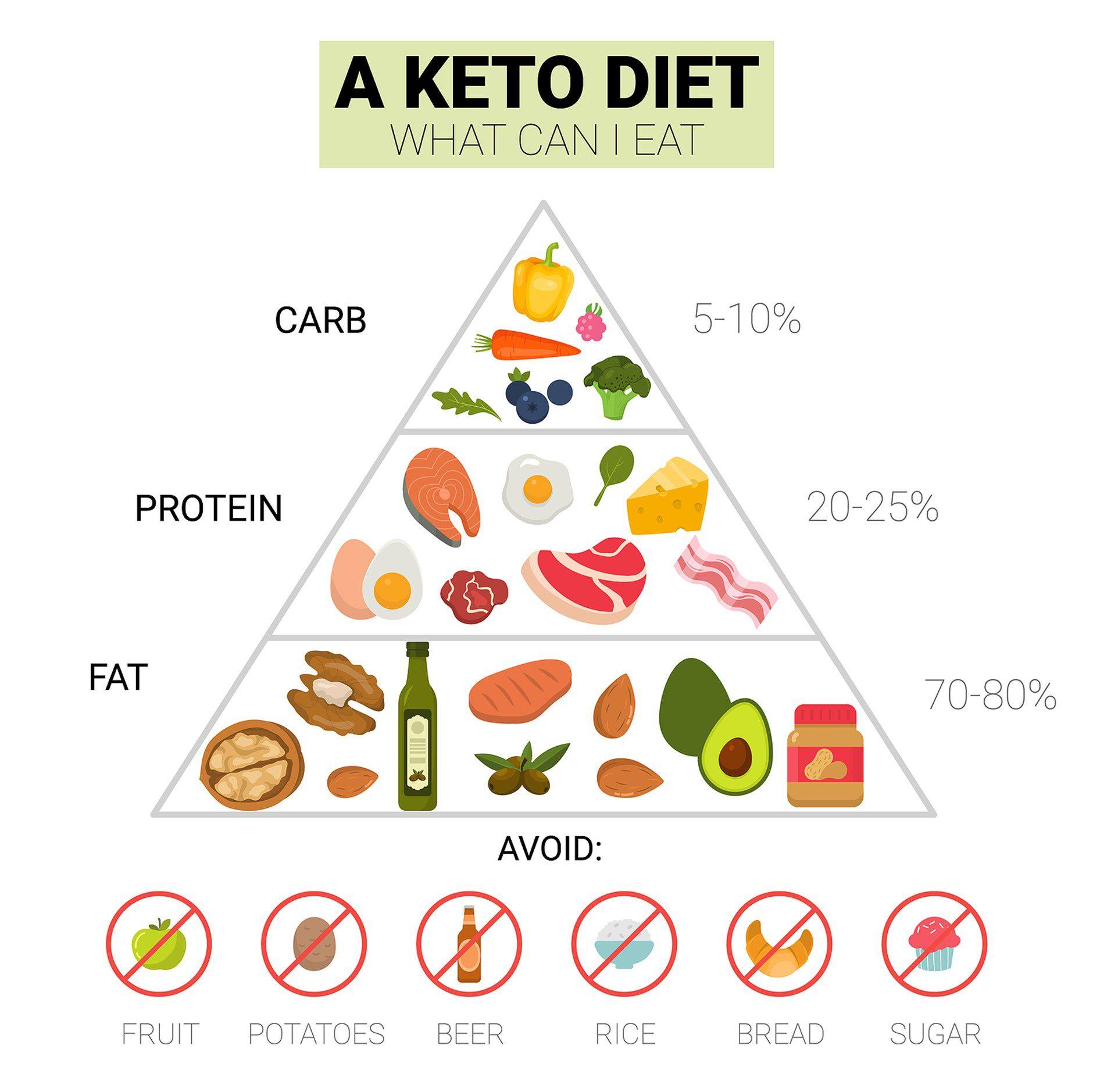
Stocking your keto kitchen with the right ingredients is crucial for success on this low-carb journey. Focus on whole, unprocessed foods that will keep your carb count low while providing essential nutrients. Start with your produce section, where you should fill your cart with leafy greens such as spinach, kale, and romaine. Other excellent choices include broccoli, cauliflower, zucchini, and bell peppers. These veggies not only add fiber but also contribute to your daily vitamin intake.
Protein sources are pivotal in a keto regimen. Opt for high-quality meats like grass-fed beef, free-range chicken, and wild-caught fish. Don’t overlook eggs, a versatile staple packed with nutrients. For those seeking plant-based options, consider incorporating tofu and tempeh. While fats are essential in a keto diet, focus on healthy fats such as avocado oil, coconut oil, and extra virgin olive oil, which can enhance flavor while supporting ketosis. Additionally, nuts and seeds like almonds, walnuts, chia seeds, and flaxseeds are great for snacking or adding to meals. Here’s a quick reference table to help you remember the ideal selections for your keto pantry:
| Category | Recommended Foods |
|---|---|
| Vegetables | Spinach, Kale, Broccoli, Cauliflower |
| Proteins | Grass-fed Beef, Free-range Chicken, Eggs |
| Fats | Avocado Oil, Coconut Oil, Olive Oil |
| Nuts/Seeds | Almonds, Walnuts, Chia Seeds, Flaxseeds |
Mastering Meal Prep: Strategies for Successful Low-Carb Eating
Meal prep is your best ally when it comes to embracing a low-carb lifestyle, especially when pursuing a ketogenic diet. With effective planning and preparation, you can avoid impulse eating, keep your pantry stocked with suitable ingredients, and ensure that you always have delicious, keto-friendly meals at your fingertips. Start by dedicating a specific day of the week to plan your meals, creating a template that includes breakfast, lunch, dinner, and snacks. This will help you organize your grocery list and make shopping more efficient. To streamline your cooking process, consider these key strategies:
- Select versatile ingredients: Choose low-carb foods that can be used in multiple recipes, such as chicken, zucchini, and cauliflower.
- Prepare in bulk: Cook large portions of proteins and vegetables that can be divided into meal containers and eaten throughout the week.
- Utilize freezer-friendly options: Freeze portions of meals for quick access on busy days, ensuring you’re never far from a healthy choice.
Creating a meal prep schedule can significantly enhance your adherence to low-carb eating habits. Consider incorporating a variety of recipes to keep mealtime exciting and prevent boredom. A simple meal rotation can simplify shopping and preparation while providing a range of nutrients. To illustrate an easy weekly meal plan, refer to the table below, which showcases quick and delicious low-carb meal ideas:
| Day | Breakfast | Lunch | Dinner |
|---|---|---|---|
| Monday | Scrambled eggs with spinach | Grilled chicken salad | Zucchini noodles with pesto |
| Tuesday | Avocado smoothie | Turkey lettuce wraps | Cauliflower rice stir-fry |
| Wednesday | Chia seed pudding | Egg salad | Baked salmon with asparagus |
Overcoming Common Challenges: Tips for Staying Motivated on Your Keto Journey
Embarking on a keto journey can be exhilarating yet daunting, especially when faced with common obstacles that may challenge your commitment. Planning is key; organizing your meals and snacks ahead of time can help eliminate the temptation to stray from your low-carb goals. Utilize meal prep techniques to ensure you always have keto-friendly options readily available. Keep a well-stocked pantry filled with essential ingredients like avocados, nuts, and low-carb vegetables to make it easier to whip up delicious meals on a whim.
Another potential hurdle is the social aspect of dining out or attending gatherings, where high-carb choices may be prevalent. To counter this, communicate your dietary preferences to friends or family beforehand, so they can accommodate your needs. Additionally, having a few go-to meals or snacks in mind can save you from feeling deprived. When comparing different food choices, a great technique is to create a simple table to help visualize your options:
| Food Item | Carb Content (per serving) | Keto-Friendly? |
|---|---|---|
| Grilled Chicken | 0g | Yes |
| Pasta | 43g | No |
| Zucchini Noodles | 4g | Yes |
| Cheeseburger (no bun) | 1g | Yes |
The Conclusion
As we close the door on our exploration of the Keto diet, it’s clear that this low-carb lifestyle offers more than just a meal plan; it presents an opportunity for transformative change. With an abundance of delicious recipes, practical tips, and insightful strategies at your disposal, you’re now equipped to unlock the potential that the Keto diet holds. Remember, like any journey, the path to low-carb living is personal and unique. Embrace the learning curve, listen to your body, and savor the process.
Whether you’re seeking weight loss, increased energy, or better overall health, the principles outlined in this guide can serve as your roadmap. So take a deep breath, gather your ingredients, and step into a world where nourishing your body also ignites your culinary creativity. Here’s to your journey of discovery, one keto-friendly bite at a time. Happy cooking, and welcome to the vibrant community of low-carb living!