


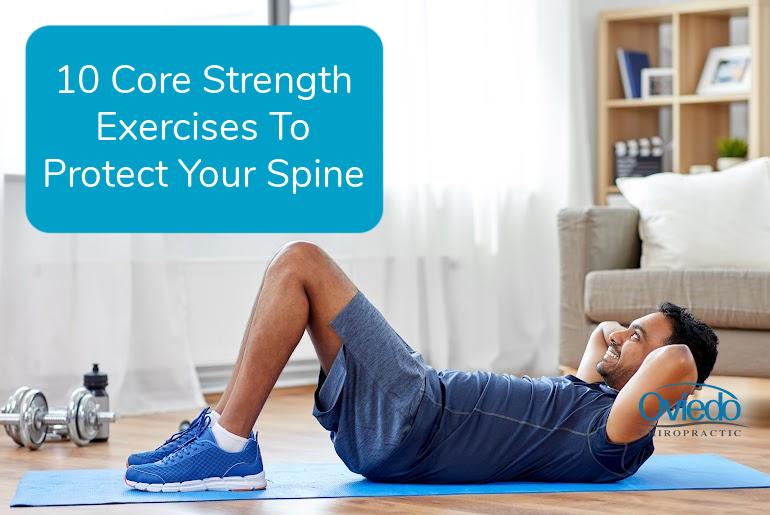
In a world where external influences often dominate our perception of health and happiness, we frequently overlook the profound potential that lies within us. The journey to wellness is not merely a destination but an unfolding adventure that begins with the very foundation of our being: our core. Just as a sturdy house is built upon a solid foundation, our physical and mental well-being relies on the strength of our core. In this article, we will explore the multifaceted concept of core strength not just as a collection of muscles, but as a holistic principle that encompasses resilience, balance, and stability. Join us as we delve into the transformative power of building wellness from within, revealing how nurturing this inner strength can lead to a healthier, more fulfilling life.
Table of Contents
- Understanding Core Strength and Its Role in Overall Health
- The Mind-Body Connection: Enhancing Wellness through Core Engagement
- Practical Techniques for Developing Core Stability
- Integrating Core Strength into Your Daily Routine for Lasting Benefits
- The Conclusion
Understanding Core Strength and Its Role in Overall Health
Core strength refers to the ability of the muscles in your abdomen, lower back, hips, and pelvis to work in harmony, providing stability, balance, and support to your body. When these muscles are strong, they facilitate an array of functional movements, from daily activities like lifting groceries to athletic endeavors such as running or cycling. Therefore, a well-conditioned core is essential for improving overall body mechanics, enhancing performance, and preventing injuries. A strong core not only aids in maintaining proper posture but also contributes to effective force generation during various physical activities.
Incorporating core-strengthening exercises into your regular fitness routine can lead to numerous health benefits. Consider the following advantages:
- Enhanced Stability: A stable core supports the spine and pelvis, improving balance and coordination.
- Injury Prevention: Strengthening the core can minimize the risk of injuries, especially in the lower back.
- Improved Posture: Strong core muscles assist in maintaining an upright, balanced posture throughout the day.
- Increased Athletic Performance: A strong core enables efficient movement and power transfer during physical activities.
- Better Digestion: Core strength is also linked to improved digestive function through enhanced organ stability.
The Mind-Body Connection: Enhancing Wellness through Core Engagement
Core engagement is often overlooked yet pivotal in fostering a robust mind-body connection. When we talk about core strength, we aren’t just referring to muscle endurance; we are delving into a dynamic interplay between physical stability and mental clarity. A strong core supports not only our physical structure but also enhances our ability to handle stress, improve focus, and boost overall emotional well-being. Engaging the core effectively involves more than just traditional exercises; it also encompasses practicing mindfulness and body awareness, creating a holistic approach to wellness. Consider integrating techniques such as:
- Breath control: Synchronizing breath with movement to deepen connection.
- Posture awareness: Maintaining alignment during daily activities.
- Mindful movements: Integrating yoga or Pilates to strengthen the mind-body link.
The profound effects of core engagement extend into daily life, enhancing not just physical strength but mental resilience as well. Training your core parallels cultivating mental fortitude; both arenas require consistency, patience, and focus. Regularly engaging in core exercises can lead to measurable benefits, which include:
| Benefit | Description |
|---|---|
| Improved Balance | Enhances stability, reducing fall risk. |
| Increased Flexibility | Facilitates a greater range of motion in activities. |
| Heightened Focus | Boosts concentration and mental clarity. |
| Stress Reduction | Promotes relaxation and emotional stability. |
Practical Techniques for Developing Core Stability
Developing core stability is essential for enhancing overall wellness and functional movement. One of the most effective ways to strengthen your core is through a combination of targeted exercises and mindful practices. Consider incorporating the following activities into your regular routine to build a solid foundation:
- Plank Variations: Engage your entire core by experimenting with side planks and forearm planks, holding each position for 30 seconds to a minute.
- Pelvic Tilts: These help in accessing the deep abdominal muscles; find a comfortable position and gently rock your pelvis back and forth.
- Bird-Dog Exercise: Balance on your hands and knees while extending one arm and the opposite leg, engaging your core to maintain stability.
Incorporating balance and stability training can further enhance your core strength. By working on proprioception—your body’s ability to perceive its position in space—you can significantly improve muscle coordination and core engagement. Consider adding these techniques to your regimen for a comprehensive approach:
- Stability Ball Exercises: Use a stability ball to perform squats and wall sits, challenging your balance while strengthening your core.
- Yoga and Pilates: These practices focus on core activation through controlled movements and breath, fostering both stability and flexibility.
- Resistance Band Workouts: Incorporate bands to add resistance while performing core exercises, which can enhance strength and stability.
| Exercise | Benefits |
|---|---|
| Plank | Builds endurance in core muscles |
| Stability Ball Squat | Enhances balance and coordination |
| Bird-Dog | Improves core stabilization |
Integrating Core Strength into Your Daily Routine for Lasting Benefits
Integrating core strength into your daily routine can transform not only your physical health but also your overall well-being. Start by embracing simple yet effective exercises that can be seamlessly incorporated into your day. Consider planks, bridges, and bird-dogs to engage multiple muscle groups while promoting stability. These activities can be performed in short bursts throughout the day, making it easier to fit into a busy lifestyle. Additionally, activities like yoga and Pilates can enhance core strength while also improving flexibility and mindfulness.
To keep your core engaged throughout daily tasks, try employing some practical strategies. Posture is crucial; no matter if you’re sitting at a desk or standing in line, maintain an upright position by drawing your navel towards your spine. Incorporate engaging moves into mundane chores; for instance, while washing dishes, perform gentle side bends to work those obliques. By establishing a consistent routine and developing habits like these, you can create a powerful foundation for your wellness journey that fosters enduring benefits for both body and mind.
The Conclusion
In the journey towards holistic wellness, the importance of core strength emerges not just as a physical necessity, but as an essential foundation for mental and emotional resilience. As we have explored throughout this article, building wellness from within invites us to connect with our bodies, harness our strength, and cultivate a balanced approach to health that transcends mere aesthetics.
Remember, nurturing your core is more than conquering the next challenging workout or mastering the perfect pose; it’s about embracing the profound interconnectedness of body and mind. Every effort you invest in strengthening your core reflects a commitment to yourself—a stepping stone towards enhanced vitality, improved posture, and an invigorated spirit.
As you embark on or continue this journey, carry with you the awareness that true wellness begins from the inside out. Let each breath and movement serve as a reminder of your power to shape not just your physical form, but your entire experience of life. So, take a moment to stand tall, breathe deeply, and recognize the strength that lies within you—ready to propel you toward a healthier, more fulfilling existence.