


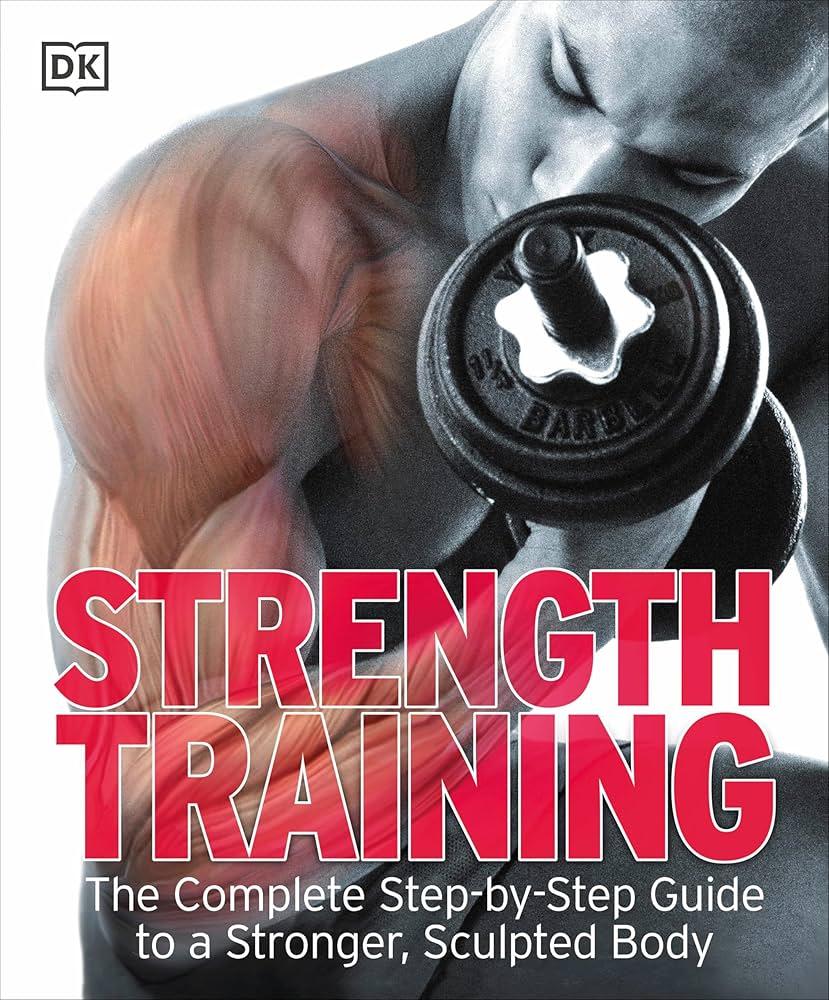
In a world where physical strength often parallels mental resilience, the pursuit of power takes many forms. For those looking to transform both body and mind, strength training stands as a cornerstone of personal development. But deciphering the vast sea of information available can be daunting. Fear not, for there is a treasure trove of wisdom waiting to be unearthed within the pages of essential strength training books. Whether you’re a novice eager to build a foundation or a seasoned athlete fine-tuning your technique, this guide will illuminate the most influential texts that not only educate but also inspire. Join us as we delve into the art and science of strength training literature, unveiling the power within every page.
Table of Contents
- Exploring the Foundations of Strength Training Literature
- Classics That Define the Discipline of Muscle Building
- Modern Approaches and Innovations in Strength Training Books
- Recommendations for Tailored Strength Programs and Techniques
- Wrapping Up
Exploring the Foundations of Strength Training Literature
Strength training literature lays a robust framework that aspiring lifters and seasoned athletes alike can leverage for success. Many foundational texts delve into the evolution of strength training, offering insights that span from ancient practices to contemporary methods. Notable topics often explored include:
- The Science of Muscle Hypertrophy: Understanding how muscles grow and adapt to resistance.
- Principles of Periodization: The systematic planning of training cycles for improved performance.
- Cultural Influences: Examining how different cultures approach strength through unique training philosophies.
- Biomechanics: Analyzing the movements involved in weightlifting for optimal technique and injury prevention.
The intersection of practical application and academic research unveils the intricate relationship between theory and practice in strength training. Many of the most revered books also feature comprehensive programs designed for various skill levels, enabling readers to translate knowledge into action. Here’s a brief overview of some essential texts:
| Book Title | Author | Key Focus |
|---|---|---|
| Starting Strength | Mark Rippetoe | Fundamentals of barbell training |
| The New Rules of Lifting | Lou Schuler & Alwyn Cosgrove | Comprehensive approach to strength training |
| Nerd Fitness | Steve Kamb | Strength training for beginners |
| Practical Programming for Strength Training | Mark Rippetoe & Andy Baker | Advanced programming strategies |
Classics That Define the Discipline of Muscle Building
When it comes to muscle building, certain literary works have transcended mere fitness advice to become foundational texts for trainers and enthusiasts alike. Among these, you will find the revolutionary insights of Milo of Croton, whose legendary strength serves as an inspiration across the centuries. His principles of progressive overload resonate in contemporary programs, emphasizing gradual weight increases and consistent effort. Another seminal figure to explore is Mark Rippetoe, whose book, Starting Strength, demystifies the mechanics of weightlifting and elucidates the importance of proper form, ensuring that novices avoid injuries while maximizing their gains.
Additionally, the classic Bodybuilding: A Scientific Approach by Fred Hartley dives into the intricate relationship between nutrition and muscle development. It highlights essential concepts, such as:
- Macronutrient Ratios: The ideal balance of proteins, fats, and carbohydrates for optimal muscle growth.
- Recovery Techniques: The significance of rest and recovery in triggering muscle hypertrophy.
- Periodization: How varying training intensity can lead to long-term progress.
Understanding these foundational elements helps trainees sculpt not just their bodies but also their knowledge, making them more effective in the gym.
Modern Approaches and Innovations in Strength Training Books
The landscape of strength training literature has evolved dramatically in recent years, mirroring the advancements in fitness science and technology. Contemporary books emphasize a multifaceted approach that integrates functional training, injury prevention, and performance enhancement. Readers are encouraged to explore diverse methodologies, from evidence-based programming to variable resistance training. This shift not only enriches the training experience but also caters to individual needs and goals. Current titles often feature an array of tools and techniques, such as:
- Bodyweight Training: Harnessing one’s body as resistance.
- Circuit Training: A dynamic mix of exercises to boost endurance.
- Periodization Techniques: Strategic training cycles for peak performance.
Additionally, modern strength training books often integrate technology to enhance learning and tracking progress. Interactive elements, such as QR codes linking to video demonstrations and online resources, are becoming standard. This integration helps to better illustrate complex movements and ensures proper form. Many publications also include sections on nutrition and mental strategies, acknowledging that strength training is not solely about physical prowess but also involves a holistic approach to health. A quick reference table comparing popular strength training philosophies can illustrate this diversity:
| Training Philosophy | Main Focus | Key Benefits |
|---|---|---|
| Hypertrophy | Muscle Growth | Increased muscle mass, aesthetic improvement |
| Powerlifting | Maximal Strength | Enhanced strength in squats, deadlifts, and bench presses |
| CrossFit | Functional Fitness | Increased overall fitness, versatile skill development |
Recommendations for Tailored Strength Programs and Techniques
Creating a personalized strength program can significantly enhance your training results. To ensure your regimen is effective, consider integrating a blend of multi-joint compound movements and accessory exercises tailored to your specific goals. Focus on incorporating variations of the main lifts such as squats and benches, while also addressing individual weaknesses. Here are some recommended techniques:
- Progressive Overload: Gradually increase the weights to continually challenge your muscles.
- Periodization: Plan your training in cycles to peak at the right time.
- Functional Training: Include exercises that improve your performance in daily activities.
To better structure your program, utilizing a tailored approach can be beneficial. Monitor your progress through consistent assessment and adjust your program as necessary. Below is a simple outline for a balanced weekly strength training routine:
| Day | Focus Area |
|---|---|
| Monday | Upper Body (Push) |
| Tuesday | Lower Body (Quad Focus) |
| Wednesday | Rest/Active Recovery |
| Thursday | Upper Body (Pull) |
| Friday | Lower Body (Hamstring Focus) |
| Saturday | Full Body/Conditioning |
| Sunday | Rest |
Wrapping Up
As we draw the curtains on our exploration of strength training through the lens of literature, it’s clear that the right book can be a powerful companion on your journey to unleash your full physical potential. Whether you are a seasoned lifter seeking to refine your technique or a novice looking for guidance, the pages of these essential texts hold the keys to transformation.
Remember, strength training is not just a physical pursuit; it’s a commitment to personal growth, resilience, and unwavering discipline. Choosing the right book is akin to selecting the perfect set of weights—strategically aligning your goals with your tools can lead to profound results.
So, as you turn the page on this guide, consider which titles resonate most with your aspirations. Dive into the knowledge shared by experts, absorb the wisdom laid out by practitioners, and let their insights inspire you to forge your path to strength. With each chapter, each rep, and each drop of sweat, you are not merely training your body; you are reinforcing your spirit.
Embrace the challenge, trust the process, and remember that every great strength athlete was once a beginner. May your reading ignite a journey of discovery that empowers not just your muscles, but your entire being. Happy lifting!