


Embarking on a weight loss journey is much like navigating uncharted waters; it requires a well-charted course, steady determination, and the right tools at your disposal. In a world filled with kaleidoscopic diet trends and fleeting fads, establishing a sustainable, effective weight loss meal plan can seem overwhelming. However, understanding the fundamentals of nutrition and crafting a personalized approach can transform this challenge into an empowering adventure. This article delves into the art of creating meal plans tailored to your unique needs, preferences, and lifestyle, guiding you toward not just weight loss but lasting well-being. Join us as we explore the principles behind effective meal planning, the essentials for balancing nourishment with enjoyment, and how to turn your meals into stepping stones on the path to your wellness goals. Whether you’re a seasoned foodie or a kitchen novice, the journey ahead is rich with possibilities.
Table of Contents
- Understanding Nutritional Foundations for Weight Loss Success
- Building Balanced Meal Plans to Fuel Your Goals
- Incorporating Variety and Enjoyment into Your Diet
- Overcoming Common Challenges on Your Weight Loss Journey
- Insights and Conclusions
Understanding Nutritional Foundations for Weight Loss Success
To effectively shed pounds and maintain a healthy lifestyle, it’s crucial to grasp the essential elements of nutrition. A well-balanced diet is the foundation for any successful weight loss journey. Focus on incorporating a variety of nutrient-dense foods, such as:
- Fruits and vegetables: These are low in calories and high in fiber, promoting fullness while providing essential vitamins and minerals.
- Whole grains: Foods like quinoa, brown rice, and whole wheat bread offer lasting energy and support digestive health.
- Lean proteins: Incorporate sources like chicken, fish, legumes, and tofu to aid muscle retention and keep you satiated.
- Healthy fats: Avocados, nuts, and olive oil help maintain hormonal balance and provide important nutrients.
Understanding portion control is another significant aspect of creating effective meal plans for weight loss. By managing your serving sizes, you can enjoy your favorite foods without compromising your goals. Here’s a simple guide to visualizing portion sizes:
| Food Group | Serving Size | Visual Reference |
|---|---|---|
| Protein (meat, fish, tofu) | 3-4 ounces | Size of a deck of cards |
| Grains (rice, pasta) | 1 cup cooked | Size of a baseball |
| Vegetables | 1-2 cups | Size of two fists |
| Fats (nuts, oils) | 1-2 tablespoons | Size of a thumb |
Building Balanced Meal Plans to Fuel Your Goals
Striking a balance in your meal plans is essential for maintaining energy levels while actively pursuing weight loss. Consider incorporating a variety of food groups to ensure you’re fueling your body with the nutrients it needs. Focus on lean proteins like chicken, fish, and legumes, which help build and repair muscle while keeping you satiated. Don’t forget to add in a spectrum of colorful vegetables to your plate; they are packed with vitamins and minerals essential for overall health. Aim for healthy fats such as avocados and nuts to support brain function and help manage cravings effectively.
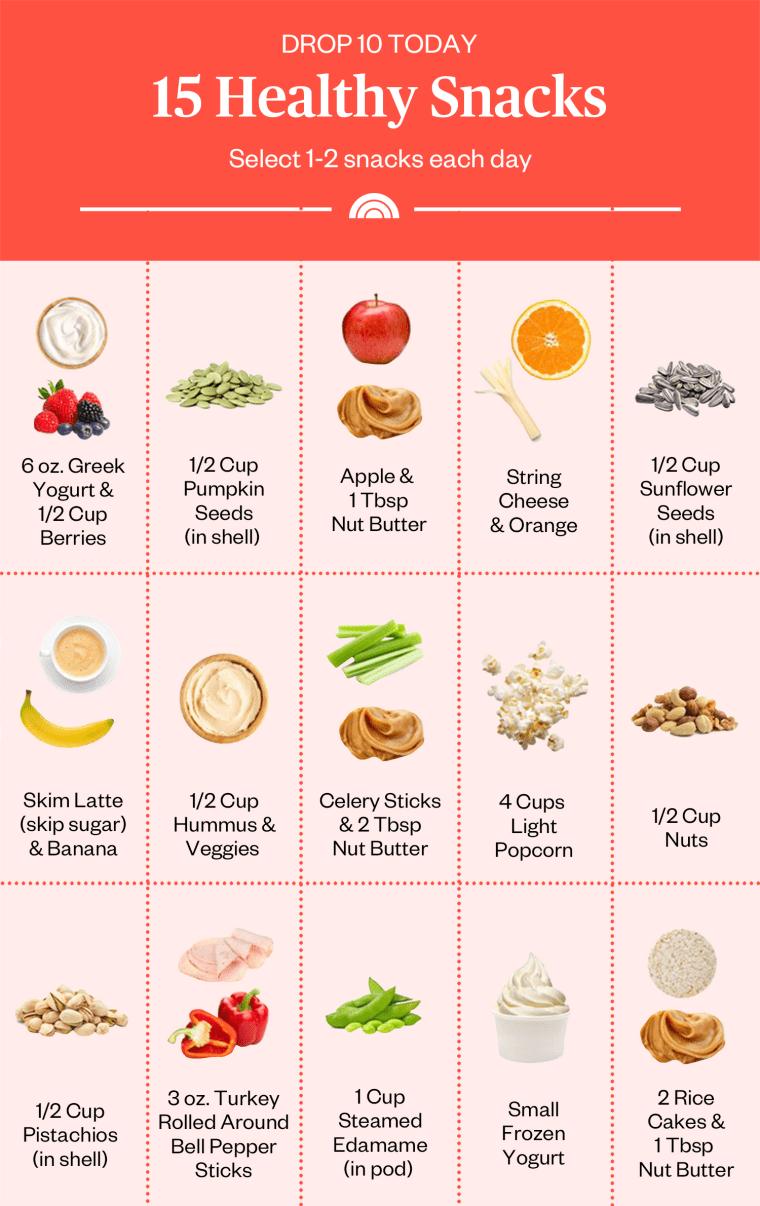
To get started, create a meal plan that outlines your daily meals and snacks, aiming for a mix of macronutrients. Here’s a simple example of how to structure a day’s worth of meals:
| Meal | Components |
|---|---|
| Breakfast |
|
| Lunch |
|
| Snack |
|
| Dinner |
|
By following a structured plan that incorporates diverse food types, you can create a sustainable diet that not only aids in weight loss but also enhances your overall well-being. Tracking your meals and listening to your body’s hunger cues will further deepen your understanding of what works best for you. Embrace the journey and make adjustments as necessary, remembering that consistency is key to long-term success.
Incorporating Variety and Enjoyment into Your Diet
To maintain enthusiasm for your weight loss journey, it’s essential to embrace a palette of diverse flavors and textures. Consider incorporating seasonal fruits and vegetables, which not only enhance the nutritional value of your meals but also provide a feast for your senses. Try the following additions to invigorate your diet:
- Colorful vegetables: Think bell peppers, zucchini, and purple cabbage to add vibrancy.
- Herbs and spices: Experiment with fresh basil, cilantro, or ginger to elevate meals without additional calories.
- Whole grains: Quinoa, farro, or brown rice can offer hearty bases that bring depth to your dishes.
- Healthy fats: Include avocado, nuts, or olive oil for satisfying richness.
Enjoyment also plays a pivotal role in sustaining a healthy diet. Create meal experiences that feel indulgent without being caloric pitfalls. Use the following tips to delight your palate:
| Meal Type | Enjoyable Options |
|---|---|
| Breakfast | Overnight oats with chia seeds and summer berries |
| Lunch | Mason jar salads layered for visual appeal and crunch |
| Dinner | Grilled fish with a side of spiced quinoa and roasted veggies |
| Snacks | Dark chocolate covered almonds or air-popped popcorn with nutritional yeast |
Overcoming Common Challenges on Your Weight Loss Journey
Engaging in a weight loss journey often presents numerous obstacles that can derail even the most committed individuals. One common challenge is the struggle with food cravings, which can lead to indulging in unhealthy options. To combat this, incorporating nutrient-dense foods into your meal plans can help satisfy hunger while avoiding empty calories. Consider whole grains, lean proteins, and fibrous vegetables as staples that not only nourish but also help stave off cravings for longer periods.
Time management is another hurdle that many face, making it difficult to maintain a balanced diet amidst busy schedules. Preparing weekly meal preps can alleviate this concern significantly. By dedicating just a few hours on the weekend to cook and portion your meals, you’ll ensure healthier choices are readily available. Here’s a simple meal-prepping table that outlines a balanced weekly menu:
| Day | Breakfast | Lunch | Dinner |
|---|---|---|---|
| Monday | Overnight oats | Grilled chicken salad | Quinoa and steamed broccoli |
| Tuesday | Greek yogurt with berries | Tuna wrap | Stir-fried tofu and vegetables |
| Wednesday | Scrambled eggs with spinach | Lentil soup | Baked salmon with asparagus |
| Thursday | Chia pudding | Turkey sandwich on whole grain | Zucchini noodles with marinara |
| Friday | Smoothie bowl | Quinoa salad | Chicken stir-fry |
| Saturday | Pancakes with almond butter | Veggie sushi | Stuffed bell peppers |
| Sunday | Fruit salad | Egg salad | Homemade chili |
Insights and Conclusions
As we conclude our exploration of “,” remember that the path to achieving your health goals is uniquely your own. Each meal you prepare is not just a step towards weight loss; it’s a celebration of your commitment to nurturing your body and mind. Embrace the art of meal planning as a means to cultivate balance, creativity, and joy in your daily life. May your journey be filled with nourishing experiences and delectable discoveries, guiding you towards a healthier, more vibrant you. Remember, every choice you make is a brushstroke on the canvas of your well-being—continue to craft your masterpiece with intention and love. Safe travels on your journey, and may you savor every delicious moment along the way.