


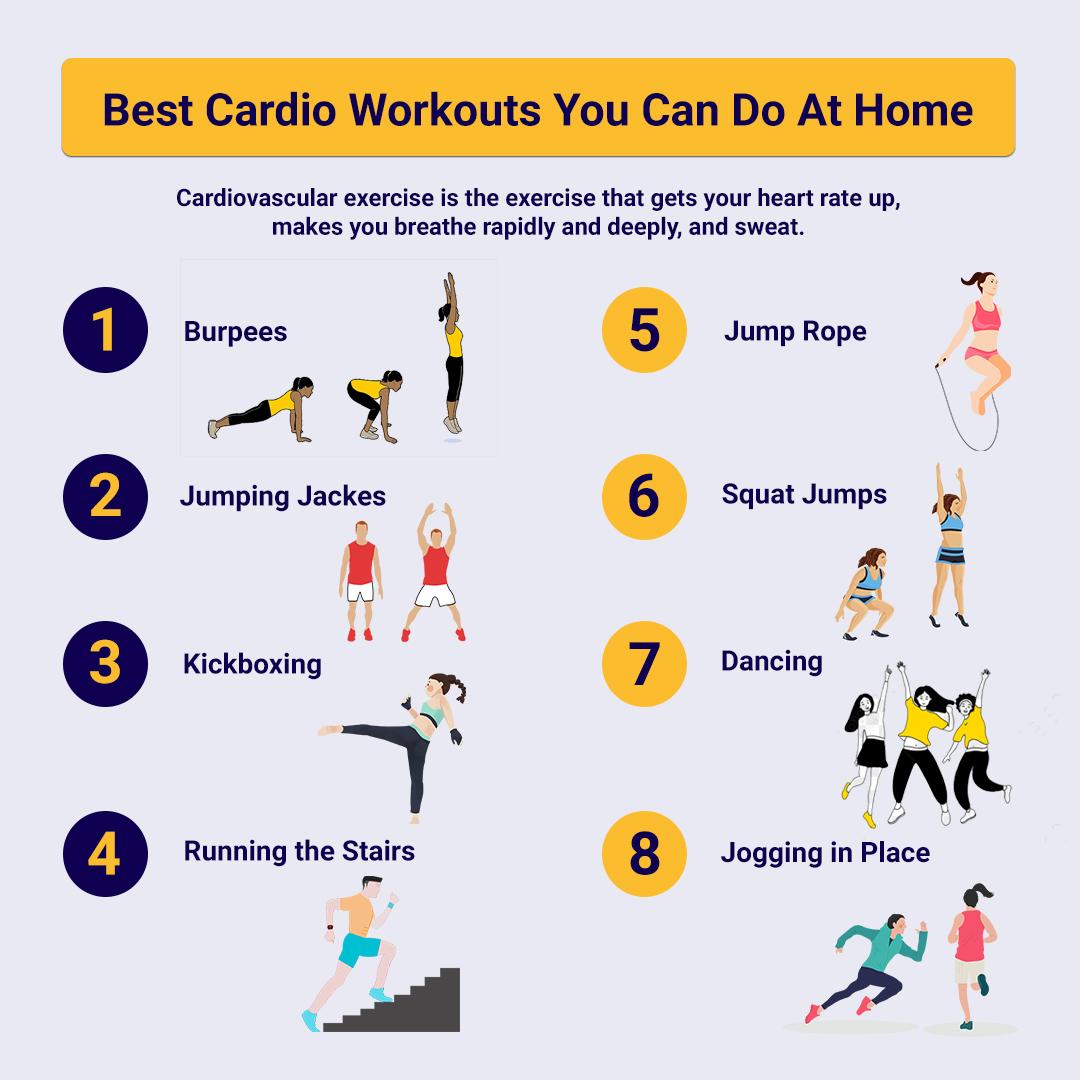
In the realm of athletic performance, where strength, agility, and mental fortitude intertwine, one often overlooked element holds the key to unlocking new heights of achievement: cardiovascular training. Picture athletes pushing their limits, racing against the clock, or dominating their opponents, not just by sheer force but through the seamless efficiency of their hearts and lungs. Cardio training is more than just a fitness regimen; it’s a foundational pillar that fuels endurance, enhances recovery, and sharpens competitive edge. As we delve into the intricate world of cardio, we will explore its myriad benefits and uncover how it can transform athletes, regardless of their sport or skill level, into the best versions of themselves. In a society that prizes performance and excellence, understanding the role of cardiovascular health is essential, not just for peak athleticism, but for overall well-being. Join us on this journey to discover how strategic cardio training can be the catalyst for greatness on and off the field.
Table of Contents
- The Science Behind Cardiovascular Endurance and Athletic Performance
- Targeted Cardio Strategies for Different Sports Disciplines
- Balancing Cardio with Strength Training for Optimal Results
- The Importance of Recovery: Enhancing Cardio Gains in Athletics
- In Retrospect
The Science Behind Cardiovascular Endurance and Athletic Performance
Understanding the underlying mechanisms of cardiovascular endurance can significantly enhance an athlete’s performance. At its core, cardiovascular endurance is the body’s ability to transport oxygen to muscles and utilize it efficiently during physical activity. This relies heavily on the effectiveness of the heart, lungs, and blood vessels, which work together to ensure optimal oxygen delivery. When engaged in consistent cardio training, several physiological adaptations occur, including:
- Increased Stroke Volume: The amount of blood pumped by the heart per beat improves, leading to better blood flow.
- Enhanced Lung Capacity: Regular endurance workouts can increase lung volume and efficiency, supporting better oxygen uptake.
- Improved Capillary Density: Increased capillaries in muscles enhance oxygen and nutrient delivery while facilitating waste removal.
As these adaptations occur, athletes notice not just improvements in endurance but also gains in overall performance metrics. They can exercise at higher intensities for longer durations, which translates to more effective training sessions and better results in competition. The combined benefits of aerobic capacity also allow for quicker recovery between high-intensity efforts, enabling athletes to maximize their training volume. Additionally, targeted cardio training offers significant psychological advantages, fostering mental resilience and discipline critical for competitive success. To illustrate these points, the table below summarizes key physiological changes in relation to different training regimens:
| Training Type | Physiological Adaptation | Performance Benefit |
|---|---|---|
| Long-Distance Running | Increased mitochondrial density | Enhanced aerobic metabolism |
| Interval Training | Boosted anaerobic threshold | Improved sprinting capability |
| High-Intensity Cycling | Greater VO2 max | Improved endurance at high speeds |
Targeted Cardio Strategies for Different Sports Disciplines
Different sports require distinct cardiovascular training to enhance performance and stamina. For example, endurance athletes like marathon runners benefit from long, steady-state runs to build aerobic capacity. Conversely, team sport athletes such as basketball players or soccer players need a mix of high-intensity interval training (HIIT) and sport-specific conditioning. These athletes typically implement drills that mimic the stop-and-go nature of their game, incorporating activities like shuttle runs, sprints, and plyometric exercises. This type of training not only boosts cardiovascular fitness but also sharpens agility and reaction time, which are crucial for success on the field or court.
For strength-based sports, like wrestling or powerlifting, a balanced approach is essential. Athletes often integrate moderate-duration cardio sessions, such as cycling or swimming, alongside their strength training routines to enhance recovery and maintain optimal body composition. A well-structured regimen might look as follows:
| Sport Type | Cardio Focus | Training Example |
|---|---|---|
| Endurance Sports | Aerobic Capacity | Long steady runs (60-120 mins) |
| Team Sports | Agility & Intervals | HIIT drills & shuttle runs |
| Strength Sports | Recovery & Endurance | Cycling or swimming (30-45 mins) |
By tailoring cardio strategies to the specific demands of the sport, athletes can unlock their full potential, translating enhanced cardiovascular fitness into improved performance outcomes during competition.
Balancing Cardio with Strength Training for Optimal Results
Finding the right balance between cardiovascular and strength training is crucial for anyone looking to optimize their athletic performance. While cardio workouts enhance endurance and promote fat loss, strength training builds muscle mass and boosts metabolism. To create an effective training regimen, consider the following approaches:
- Periodization: Cycle through phases of focus on cardio and strength to prevent plateaus.
- Cross-Training: Integrate both types of workouts in a week to promote overall fitness.
- Listen to Your Body: Ensure adequate recovery to avoid overtraining and injuries.
Including both styles of training can lead to remarkable performance improvements. For a clearer structure, the following table outlines a sample weekly schedule incorporating both cardio and strength training:
| Day | Focus | Session Type |
|---|---|---|
| Monday | Strength | Full-body weights |
| Tuesday | Cardio | Interval running |
| Wednesday | Strength | Upper body weights |
| Thursday | Cardio | Swimming |
| Friday | Strength | Lower body weights |
| Saturday | Cardio | Long-distance cycling |
| Sunday | Rest | Active recovery |
The Importance of Recovery: Enhancing Cardio Gains in Athletics
Recovery is a fundamental element in the journey of any athlete striving for excellence in cardiovascular performance. Traditional training oftentimes emphasizes relentless practice, but neglecting the recovery phase can be detrimental. Active recovery, adequate rest, and proper nutrition serve as the pillars supporting sustained gains in cardio fitness. Incorporating techniques such as stretching, foam rolling, and mindfulness can optimize muscular repair and reduce the risks of injuries, allowing for consistent improvements in individuals’ endurance levels and overall performance.
Fostering a well-rounded recovery routine not only enhances cardiovascular adaptations but also improves mental resilience. This mental component is crucial, as athletes who dedicate time to recovery can experience reduced fatigue, increased motivation, and improved focus. Additionally, regular assessments of progress and recovery can help determine the right balance of training intensity and rest intervals. Below is a simple representation of how different recovery techniques can impact performance:
| Recovery Technique | Impact on Performance |
|---|---|
| Active Recovery | Boosts blood flow and reduces soreness |
| Nutritional Support | Replenishes energy stores and repairs tissues |
| Sleep Hygiene | Enhances recovery and mental sharpness |
| Mindfulness Practices | Reduces stress and improves focus |
In Retrospect
As we draw the curtain on the intricate tapestry of athletic performance, it becomes evident that cardio training is not merely an accessory to physical prowess, but a cornerstone upon which greatness is built. From the rhythmic beat of a runner’s heart to the steady, controlled breath of a cyclist, cardiovascular conditioning encapsulates the essence of endurance, resilience, and adaptability.
In our exploration of this vital training modality, we have uncovered the myriad ways in which cardio fuels not just the body, but the spirit of the athlete. It enhances endurance, sharpens mental fortitude, and fosters a synergy between mind and muscle that can elevate performance on any stage.
As you lace up your shoes and hit the road, or find your rhythm on the treadmill, remember that every drop of sweat is a step closer to your own personal best. Embrace the journey, for within the pursuit of excellence lies the unparalleled thrill of pushing boundaries and redefining possibilities. In the realm of athletics, cardio training is both a path and a destination, guiding you toward the pinnacle of your potential. Every heartbeat counts—make them all matter.