


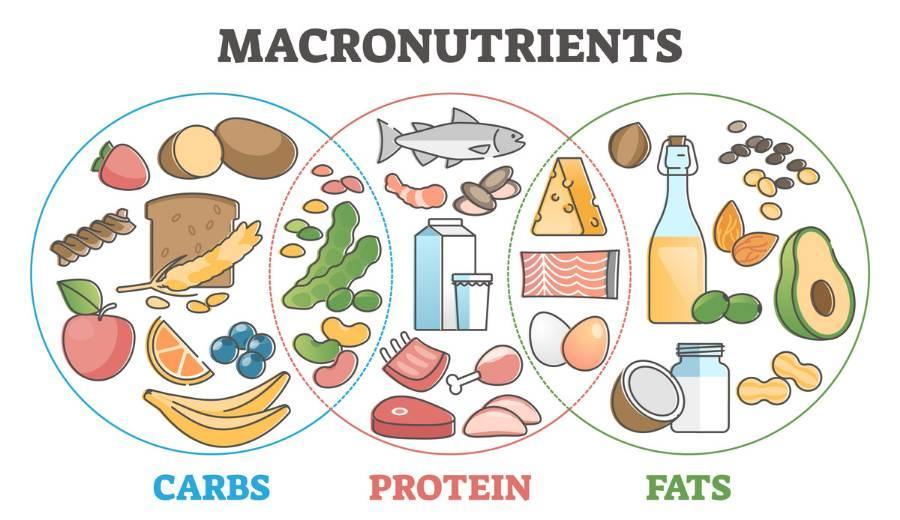
In a world constantly on the search for effective solutions to weight loss, the debate around dietary approaches continues to evolve. Among the numerous strategies that have emerged, the low-carb diet stands out as a revolutionary method that has captured the attention of health enthusiasts and skeptics alike. This article delves into the science and philosophy behind low-carbohydrate eating, exploring how it can transform not only our waistlines but our overall relationship with food. As we unlock the principles of this dietary revolution, we will uncover the reasons why many are turning to low-carb lifestyles in pursuit of lasting health and vitality. Whether you’re a seasoned dieter or a curious beginner, join us on a journey to discover the potential of low-carb eating as a powerful tool for weight management and well-being.
Table of Contents
- Exploring the Science Behind Low-Carb Diets
- Mastering Meal Planning for Low-Carb Success
- Delicious and Nutritious: Low-Carb Foods to Embrace
- Navigating Common Challenges in Your Low-Carb Journey
- Concluding Remarks
Exploring the Science Behind Low-Carb Diets
At the core of low-carb diets lies the notion that reducing carbohydrate intake leads to significant changes in the way our bodies metabolize food. By decreasing carbs, the body turns to fat stores for energy, a process known as ketosis. During this state, the liver converts fats into ketones, which serve as an efficient fuel source. This metabolic shift not only aids in weight loss but may also enhance mental clarity and help control hunger pangs. Research indicates that low-carb diets can lead to improved blood sugar control, which is particularly beneficial for individuals with insulin resistance or type 2 diabetes.
Numerous studies have illustrated the benefits of low-carb eating patterns, showcasing a diverse range of advantages. Here are some key findings:
- Weight Loss: Participants on low-carb diets often experience greater weight loss compared to those on low-fat diets.
- Improved Cholesterol Levels: Many individuals see an increase in HDL (good cholesterol) and a decrease in triglycerides.
- Reduced Appetite: Lower carb intake may lead to a reduction in hunger-stimulating hormones.
The efficacy of low-carb diets is also supported by their ability to enhance metabolic health. Below is a comparison of key markers before and after adopting a low-carb lifestyle:
| Health Marker | Before Low-Carb Diet | After Low-Carb Diet |
|---|---|---|
| Weight (lbs) | 180 | 160 |
| Blood Sugar (mg/dL) | 110 | 95 |
| HDL Cholesterol (mg/dL) | 40 | 55 |
Mastering Meal Planning for Low-Carb Success
Meal planning is a cornerstone of success in adopting a low-carb lifestyle. To streamline your journey, start by creating a weekly menu tailored to your nutritional needs and taste preferences. This proactive approach not only helps avoid impulsive food choices but also ensures that you make the most of your ingredients. Here are some tips to enhance your meal planning:
- Incorporate Seasonal Produce: Focus on low-carb vegetables like leafy greens, broccoli, and zucchini.
- Prep in Batches: Cook larger portions of proteins like chicken or fish to use throughout the week.
- Snack Smartly: Keep quick snacks like nuts, cheese, or boiled eggs on hand to stay on track.
- Variety is Key: Rotate recipes to avoid monotony and keep your taste buds excited.
Utilizing a meal planner can also provide clarity in both your grocery shopping and your cooking routine. Make convenience a priority by organizing meals into sections, allowing for easy access to recipes and ingredients. Consider the following simple table to outline a balanced low-carb week:
| Day | Meal | Key Ingredient |
|---|---|---|
| Monday | Grilled Chicken Salad | Spinach |
| Tuesday | Zucchini Noodles | Pesto |
| Wednesday | Baked Salmon | Asparagus |
| Thursday | Egg Muffins | Bell Peppers |
| Friday | Stir-Fried Tofu | Broccoli |
| Saturday | Cauliflower Pizza | Cheese |
| Sunday | Roast Beef | Brussels Sprouts |
Delicious and Nutritious: Low-Carb Foods to Embrace
Embracing a low-carb lifestyle doesn’t mean sacrificing flavor or satisfaction. In fact, there’s a plethora of delicious foods that are not only low in carbohydrates but also packed with essential nutrients. Consider incorporating the following into your meals for a tasty and filling diet:
- Leafy Greens: Spinach, kale, and Swiss chard are perfect for salads and smoothies.
- Cruciferous Vegetables: Cauliflower and broccoli are versatile and can be used as rice or mashed potato substitutes.
- Healthy Proteins: Eggs, chicken, and fatty fish like salmon are excellent for muscle repair and satiety.
- Nuts and Seeds: Almonds, walnuts, and chia seeds are great sources of healthy fats and fiber.
- Dairy Alternatives: Greek yogurt and cheese provide protein and flavor without excess carbs.
To help you visualize your meal prep, here’s a simple table showcasing low-carb snacks to keep on hand:
| Snack | Net Carbs (g) | Benefits |
|---|---|---|
| Hard-Boiled Eggs | 1 | High protein, satiating |
| Cheese Slices | 0.5 | Calcium-rich, flavorful |
| Cucumber Slices with Hummus | 4 | Hydrating, crunchy |
| Avocado | 2 | Healthy fats, filling |
Navigating Common Challenges in Your Low-Carb Journey
Embarking on a low-carb journey can often feel like navigating a labyrinth of challenges. One common hurdle is managing cravings and feelings of deprivation, especially in a world filled with high-carb temptations. To combat this, consider incorporating fiber-rich foods and healthy fats into your meals which can help keep you feeling full and satisfied. Here are some tips to stay on track:
- Experiment with low-carb substitutes for your favorite carbs, such as zucchini noodles or cauliflower rice.
- Plan your meals in advance to reduce impulsive, high-carb choices.
- Keep healthy snacks like nuts and cheese on hand to avoid reaching for carb-loaded options.
Another frequent challenge is social situations where high-carb foods are prevalent. This can be daunting, but with some preparation, you can navigate these occasions smoothly. It can be helpful to set clear priorities regarding your dietary choices and communicate these to friends and family. Consider this simple table to organize your approach:
| Social Situation | Low-Carb Strategy |
|---|---|
| Dining Out | Research menu options beforehand, choose grilled or baked meats, and ask to replace sides. |
| Parties | Bring a low-carb dish to share, and focus on meats and salads. |
| Family Gatherings | Prepare to eat before you arrive or snack on low-carb foods like cheese and veggies. |
Concluding Remarks
As we draw the curtain on our exploration of the low-carb diet revolution, it’s clear that shedding excess weight can be as much a journey of understanding as it is of willpower. The principles of this dietary approach, grounded in science and supported by countless success stories, invite us to rethink the conventional wisdom surrounding weight loss.
By embracing a low-carb lifestyle, individuals are not merely adhering to a trend; they are unlocking a pathway to sustainable health and well-being. The flexibility and variety within this dietary framework allow for personal adaptation, making it a feasible choice for many.
As you consider your own relationship with food and fitness, remember that there is no one-size-fits-all solution. Whether you dip your toes into the low-carb waters or choose an alternative route, the key lies in mindfulness, moderation, and self-discovery.
The future of your health journey is yours to shape—may it be filled with informed choices, vibrant meals, and a renewed sense of vitality. Here’s to new beginnings and the pursuit of balance in every bite!