


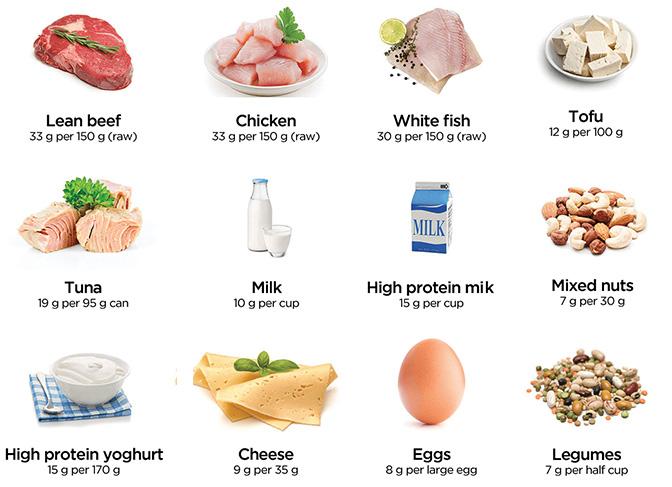
In a world where wellness fads come and go with the seasons, one dietary approach has consistently stood the test of time: the high-protein diet. Often hailed as the cornerstone of physical transformations, it is more than just a trend—it’s a science-backed strategy that empowers individuals to redefine their bodies. As we delve into the transformative power of high-protein diets, we will explore how increasing protein intake can lead to enhanced muscle growth, improved satiety, and optimized metabolic health. Whether you’re aiming to shed unwanted pounds, build lean muscle, or simply adopt a more nutritious lifestyle, understanding the role of protein in your diet can be a game changer. Join us on this journey to uncover the potential that lies within your plate, and learn how the simple act of prioritizing protein can pave the way to a healthier, stronger you.
Table of Contents
- Unlocking the Benefits of High-Protein Diets for Optimal Health
- Strategies for Incorporating Protein into Every Meal
- Exploring Plant-Based and Animal Protein Sources for Diverse Nutrition
- Understanding the Role of Protein in Muscle Repair and Weight Management
- To Wrap It Up
Unlocking the Benefits of High-Protein Diets for Optimal Health
High-protein diets have gained popularity for their remarkable ability to aid in weight loss, muscle building, and overall health enhancement. By incorporating more protein into your meals, you’re not just fueling your body; you’re also shifting your metabolism towards a more efficient fat-burning state. Some key benefits include:
- Increased Satiety: High-protein foods keep you feeling fuller for longer, which can help curb unnecessary snacking.
- Muscle Preservation: Adequate protein intake is crucial during weight loss to maintain lean muscle mass.
- Enhanced Metabolism: Protein has a higher thermic effect than fats or carbohydrates, leading to more calories burned during digestion.
Moreover, a diet rich in protein can support various lifestyle goals, whether you’re an athlete looking to enhance performance or someone striving to improve overall wellness. Essential amino acids found in protein sources play a vital role in repairing tissues and promoting recovery. Consider this simple comparison of protein-rich foods:
| Food | Protein Content (per 100g) |
|---|---|
| Chicken Breast | 31g |
| Quinoa | 14g |
| Greek Yogurt | 10g |
| Lentils | 9g |
Strategies for Incorporating Protein into Every Meal
Incorporating protein into each meal can transform the way you fuel your body and enhance your overall well-being. Start by prioritizing protein-rich foods at every opportunity. Filling your plate with options like lean meats, fish, dairy, legumes, and nuts can make a significant difference. Experiment with adding a scoop of protein powder to your morning smoothie or oatmeal for an extra boost. You can also substitute regular pasta with legume-based noodles or spiralized vegetables to up your plant-based protein intake without compromising on taste.
Don’t underestimate the power of small adjustments throughout the day to increase your protein consumption. Try incorporating snacks that are high in protein, such as Greek yogurt, cottage cheese, or a handful of almonds, between meals. This not only helps you meet your daily protein goals but also keeps your energy levels stable. Here’s a simple table to illustrate how easy it can be to swap in protein-rich alternatives:
| Food Item | Protein Content (Approx.) |
|---|---|
| Chicken Breast (100g) | 31g |
| Quinoa (1 cup, cooked) | 8g |
| Lentils (1 cup, cooked) | 18g |
| Greek Yogurt (1 cup) | 20g |
| Chickpeas (1 cup, cooked) | 15g |
Exploring Plant-Based and Animal Protein Sources for Diverse Nutrition
When it comes to achieving optimal nutrition through a high-protein diet, exploring a variety of protein sources can greatly enhance your overall health and vitality. Plant-based proteins, such as lentils, quinoa, and tofu, not only provide essential amino acids but also come packed with fibers, vitamins, and minerals. Incorporating these options into your meals can create a delicious and colorful plate while contributing to heart health and weight management. Some additional plant-based sources to consider include:
- Chickpeas
- Black beans
- Hemp seeds
- Edamame
On the other hand, animal proteins, found in products like chicken, fish, and lean beef, offer a complete amino acid profile that is crucial for muscle repair and growth. These sources can also be rich in healthy fats, particularly omega-3 fatty acids in fish, which promote brain health. Combining both plant and animal proteins in your diet ensures a more balanced intake of nutrients. Consider the following animal protein options:
- Eggs
- Greek yogurt
- Wild-caught salmon
- Grass-fed beef
| Protein Source | Protein Content (per 100g) | Key Nutrients |
|---|---|---|
| Lentils | 9g | Iron, Fiber |
| Salmon | 25g | Omega-3, Vitamin D |
| Quinoa | 4g | Magnesium, Manganese |
| Chicken Breast | 31g | Niacin, Selenium |
Understanding the Role of Protein in Muscle Repair and Weight Management
Protein serves as the building block of muscles, playing a crucial role in the recovery process following exercise. When you engage in physical activity, especially resistance training, microscopic tears occur in muscle fibers. Protein helps to repair and rebuild these fibers, resulting in increased strength and improved performance over time. To optimize muscle recovery, it’s essential to consume an adequate amount of high-quality protein sources post-workout. This can lead to not just recovery but also growth in muscle mass, enhancing your overall physique.
In addition to muscle repair, protein is a vital component for effective weight management. Consuming a high-protein diet can help you feel fuller for longer periods, thereby reducing overall calorie intake. This satiating effect is essential for those looking to lose weight or maintain a healthy body composition. A high-protein intake also supports a higher metabolic rate, as more energy is required to digest protein compared to fats or carbohydrates. Here are some key benefits:
- Improved Muscle Recovery
- Enhanced Satiety
- Increased Metabolism
- Support in Weight Loss
To Wrap It Up
embracing a high-protein diet can be a transformative journey, unlocking the potential for enhanced physical health and performance. As you incorporate more protein-rich foods into your meals, remember that balance is key. Nourishing your body requires more than just one nutrient; it’s about creating a harmonious blend of proteins, carbohydrates, and healthy fats. Whether you’re an athlete seeking peak performance or someone simply striving for a healthier lifestyle, the evidence is clear: high-protein diets can effectively support your goals. So, take the insights gained from this exploration and design a dietary path that resonates with your personal needs and aspirations. Your body is a canvas; with the right nutrition, you can create a masterpiece. Embrace the power of protein, and let your body transform.