


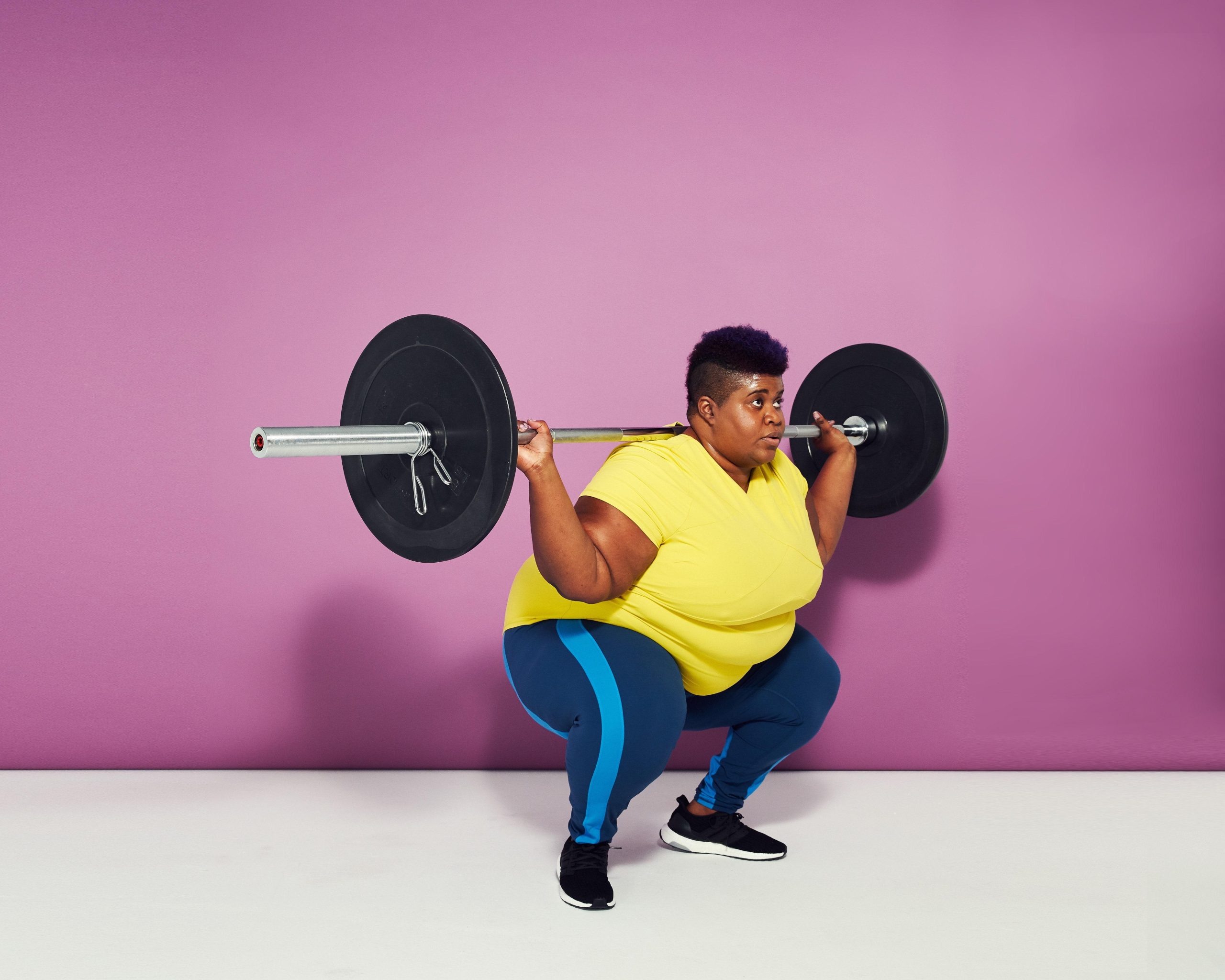
In the realm of strength training, few tools hold the same reverence as the humble barbell. This unassuming piece of equipment, often overlooked in favor of flashy machines or the latest fitness fads, serves as the cornerstone of physical development for athletes and fitness enthusiasts alike. From the novice lifter trying to grasp the fundamentals to the seasoned competitor refining their technique, the barbell offers a unique blend of versatility and challenge that few can match. It is not merely a weight; it is a vehicle for transformation, a means to build strength, enhance performance, and cultivate a deeper understanding of movement mechanics. In this article, we will explore the myriad ways barbells can become an essential ally on the journey to strength and technique mastery, unraveling their significance in the world of fitness and the profound impact they can have on our bodies and minds.
Table of Contents
- The Versatility of Barbells in Modern Strength Training
- Perfecting Your Technique: How Barbells Enhance Form and Control
- Selecting the Right Barbell for Your Training Goals
- Incorporating Barbells into Your Routine: Tips for Optimal Results
- The Conclusion
The Versatility of Barbells in Modern Strength Training
Barbells serve as a cornerstone in modern strength training, offering unparalleled versatility that can cater to various fitness levels and goals. From beginners seeking to build foundational strength to advanced athletes aiming for peak performance, barbells can be incorporated into an extensive array of exercises. Their adaptability allows for the targeting of different muscle groups, ensuring a holistic development of strength and technique. Consider the following benefits:
- Multi-muscle Engagement: Whether performing a deadlift or a bench press, barbells engage multiple muscles simultaneously, maximizing efficiency.
- Range of Motion: The barbell allows for a greater range of motion, promoting flexibility and enhancing overall movement patterns.
- Load Versatility: The ease of adjusting weights makes barbells suitable for progressive overload, critical for muscle growth.
The use of barbells in diverse training regimes can also facilitate the development of specific techniques and skills. Athletes across disciplines utilize barbells to refine their craft, employing variations like the snatch and clean and jerk for Olympic training or the squat and overhead press for functional strength. Below is a brief overview of some popular barbell exercises, highlighting their impact on strength development:
| Exercise | Targeted Muscles | Benefits |
|---|---|---|
| Squat | Quads, Hamstrings, Glutes | Core stability, lower body strength |
| Deadlift | Back, Hamstrings, Glutes | Full body engagement, posterior chain development |
| Bench Press | Chest, Shoulders, Triceps | Upper body strength, core stability |
Perfecting Your Technique: How Barbells Enhance Form and Control
Barbells offer an unparalleled opportunity to refine strength training technique, allowing athletes to cultivate a deep muscle control that free weights alone may not provide. With their fixed weight and balanced design, barbells encourage lifters to focus on the precision of every movement. Understanding grip width, body alignment, and bar path becomes instinctual when training with a barbell, making it easier to correct form in real time. This heightened awareness fosters a body-mind connection that promotes safer lifting and reduces the risk of injury.
Moreover, the versatility of barbells allows for a wide range of exercises, each demanding different movements and muscle engagement. When performing compound lifts such as squats or deadlifts, a barbell acts as a great tool for enhancing strength through controlled, purposeful mechanics. Here are some key benefits to consider:
- Enhanced Core Engagement: Stability required for barbell lifts activates core muscles.
- Improved Posture: Promotes better alignment and muscular balance.
- Progressive Overload: Easily increase weight to challenge muscles effectively.
- Goal-Specific Training: Tailor workouts for strength, hypertrophy, or powerlifting.
Selecting the Right Barbell for Your Training Goals
Choosing the right barbell is essential for maximizing your training experience and aligning with your specific fitness goals. With numerous options available, it’s crucial to consider factors such as weight capacity, grip type, and even the intended muscle group you wish to target. Here are some key elements to keep in mind:
- Weight Capacity: Ensure the barbell can handle the loads you plan to lift.
- Diameter: Standard barbells typically have a diameter of 28mm to 32mm; select one that feels comfortable in your grip.
- Knurling: Look for a barbell with a knurling pattern that provides enough grip without being too abrasive.
- Purpose: Decide if you need an Olympic barbell for weightlifting, a powerlifting barbell for squatting and deadlifting, or a training barbell for everyday workouts.
It’s also beneficial to understand the different types of barbells available to better cater to your training needs. The table below highlights key features that distinguish various barbells:
| Type of Barbell | Weight | Main Use |
|---|---|---|
| Olympic Barbell | 20kg (Men), 15kg (Women) | Weightlifting |
| Powerlifting Barbell | 20kg | Squats, Bench Press, Deadlifts |
| EZ Curl Bar | 7-10kg | Bicep and Tricep Exercises |
| Hex Bar | Variable | Deadlifts and Squats |
Incorporating Barbells into Your Routine: Tips for Optimal Results
To fully harness the power of barbells, it’s essential to prioritize form over weight. Starting with a manageable weight allows you to focus on the mechanics of each lift, minimizing the risk of injury while maximizing efficiency. As you become more confident, gradually increase the load, ensuring that your technique remains flawless. Additionally, incorporate dynamic warm-ups before your sessions; this primes your muscles for the demands of heavy lifting. Examples of effective warm-ups include bodyweight squats, lunges, and arm circles, which prepare the major muscle groups involved in barbell exercises.
In your training routine, consider varying your rep ranges to stimulate different muscle adaptations. For strength building, aim for 3-5 sets of 4-6 reps with heavier weights, while lighter weights for 8-12 reps can enhance muscular endurance. Pairing these with proper rest periods—typically 2-3 minutes for strength and 1-2 minutes for endurance—ensures you’re racking up gains effectively. Here’s a simple table illustrating a balanced weekly routine:
| Day | Focus | Key Exercises |
|---|---|---|
| Monday | Power | Squats, Deadlifts |
| Wednesday | Hypertrophy | Bench Press, Bent-over Rows |
| Friday | Endurance | Overhead Press, Lunges |
The Conclusion
barbells stand as more than mere equipment in the gym; they are the archways to strength and precision, inviting every athlete—whether novice or seasoned—to explore the endless possibilities of physical potential. Each lift, each rep tells a story of determination and discipline, woven through the fabric of technique mastery. As you embrace the barbell in your fitness journey, remember that it serves as a trusted companion, guiding you toward not only stronger muscles but also a deeper understanding of your own capabilities. So pick up the bar, feel its weight in your hands, and embark on a transformative experience that transcends the physical, nurturing resilience and confidence within. The journey of strength is yours to command, and with every lift, you’re not just building a body; you’re sculpting a masterpiece of dedication and skill. Happy lifting!